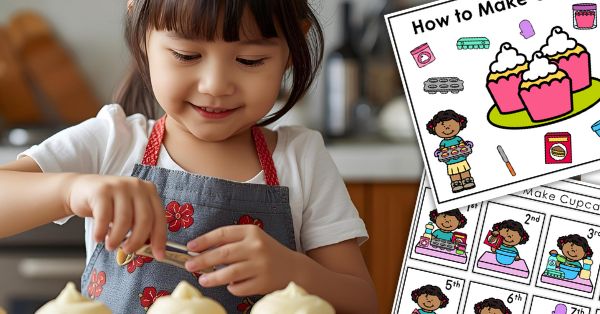
As autumn leaves begin to turn and the air grows crisp, there’s no more comforting activity than baking with children. The kitchen becomes a classroom where practical life skills, independence, and confidence blossom alongside the warm aroma of seasonal spices. In the Montessori tradition, we recognize that food preparation offers far more than just a tasty result—it provides a rich opportunity for holistic development that nourishes both body and mind.
The Foundation of Independence
Why does fostering independence from a young age matter so profoundly? When children learn to do things for themselves, they develop more than just practical abilities—they build self-worth, problem-solving skills, and resilience. The kitchen serves as an ideal environment for this development, offering tangible, real-world challenges that children can successfully navigate with proper guidance. Each time a child successfully measures flour, cracks an egg, or stirs batter, they’re not just making food—they’re constructing their identity as a capable, competent individual.
The process of following a recipe from start to finish teaches children about sequencing, patience, and the satisfaction of seeing a project through to completion. These qualities translate to other areas of learning and life, creating a foundation for academic and personal success. When children feel capable in the kitchen, they carry that confidence into other challenges they encounter.


Safety and Skill Development
Teaching children to handle kitchen tools safely is about more than preventing accidents—it’s about showing them that we trust them with real responsibilities. Simple tools like wooden spoons, measuring cups, and rolling pins become extensions of their capabilities when introduced with proper demonstration and respect. We show children how to hold tools correctly, how to move safely in the kitchen space, and how to care for their equipment after use. These lessons in responsibility and care extend far beyond the kitchen, helping children understand how to approach new challenges thoughtfully and respectfully.
The physical benefits of cooking activities are equally valuable. Pouring liquids strengthens hand-eye coordination, stirring develops muscle control, and measuring ingredients introduces early math concepts. These activities provide the fine motor practice that prepares children for writing while making the learning process natural and enjoyable.
Seasonal Learning in Autumn
Autumn provides the perfect backdrop for cooking activities with children. The harvest season offers abundant opportunities to discuss where food comes from, the changing seasons, and the importance of eating foods that are in season. Apple picking, visiting farmers’ markets, and learning about autumn produce make the cooking experience more meaningful by connecting children to the natural world and the cycle of food from orchard to table.
The warmth of the oven and the spicy scent of cinnamon create a sensory-rich experience that embodies the comfort of the season. These sensory connections make the learning experience more memorable and impactful, engaging multiple senses in the educational process.
Introducing the Apple Pie Printable Activity
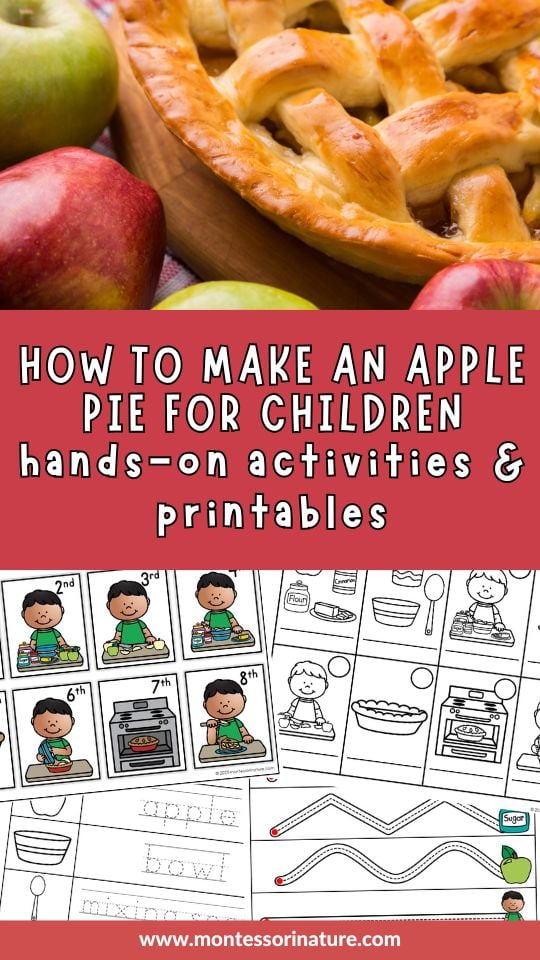
To support this joyful learning process, we’ve created a printable resource that guides children through the process of making apple pie. This autumn-themed activity is perfect for both classroom and home cooking experiences, designed to develop independence while creating something delicious and satisfying.
The How to Make an Apple Pie printable breaks down the process into manageable steps that children can follow with increasing independence. Visual sequencing cards help children understand the logical order of food preparation, from washing the apples to placing the pie in the oven.
As the autumn season unfolds, there’s no better time to embrace the educational opportunities that cooking provides. The simple act of making apple pie together becomes a powerful vehicle for teaching independence, responsibility, and the joy of accomplishing something meaningful. Through these practical life experiences, we help children develop the skills and confidence they need to navigate the world beyond our kitchens and classrooms.

How to Make an Apple Pie Recipe Sequencing Cards
How to Make an Apple Pie Printable – A Practical Life & Autumn Cooking Activity for Young Chefs
Invite young learners into the heart of the home with this delightful How to Make an Apple Pie printable! This resource is designed to guide preschool, kindergarten, and first-third grade students through the joyful, practical life skill of baking.
This printable is also available on TPT
You Might Also Enjoy


About Anastasia | Anastasia is an early childhood teacher with over twenty years of experience in Montessori classrooms and homeschooling. With a Master’s in Information Science, she blends education and information design to create clear, organized, research-backed resources. As founder of Montessori Nature, she develops evidence-based, nature-inspired printables that support holistic child development and foster curiosity, independence, and a love of learning. Explore more in her shop and Teachers Pay Teachers store.