Baking activities hold a cherished place in Montessori education, offering rich opportunities for developing practical life skills, sequencing ability, and independence. However, in today’s diverse nutritional landscape, traditional baking projects require thoughtful adaptation to meet varying family preferences while maintaining their educational value.
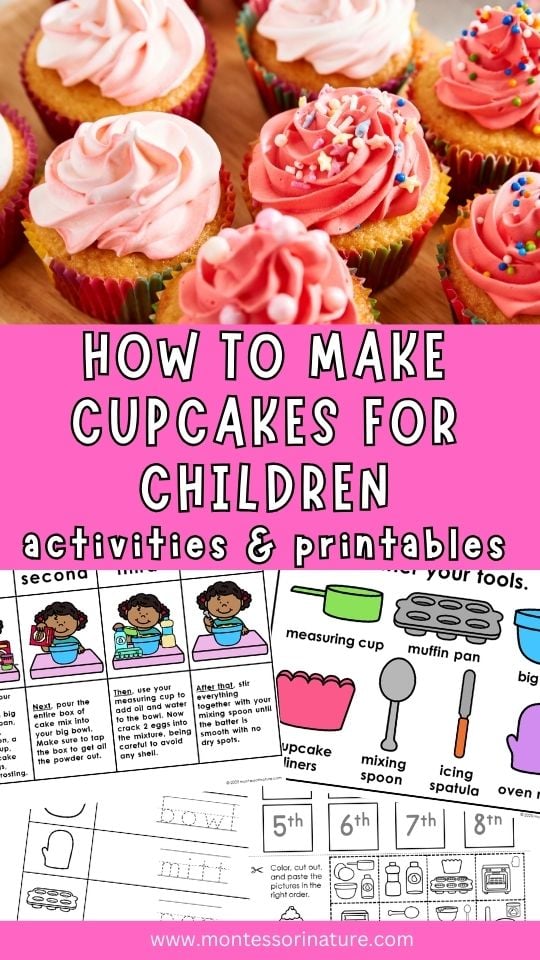
The sequencing aspect of baking provides exceptional classroom learning opportunities, particularly through visual recipe cards and step-by-step guides. These materials allow children to practice logical thinking and procedural memory without necessarily using ingredients that might not align with their family’s nutritional choices. For classrooms that do proceed with hands-on baking, this becomes an ideal environment to teach crucial safety lessons and responsibility.
Safety and Responsibility as Core Components
When baking does occur in classroom settings, proper supervision and safety instruction become paramount. Children should be taught oven safety from a respectful distance, learning that oven operation requires adult assistance. They can observe the careful placement of baking pans and understand the dangers of hot surfaces through guided demonstrations. This approach cultivates respect for kitchen appliances while satisfying their natural curiosity about cooking processes.

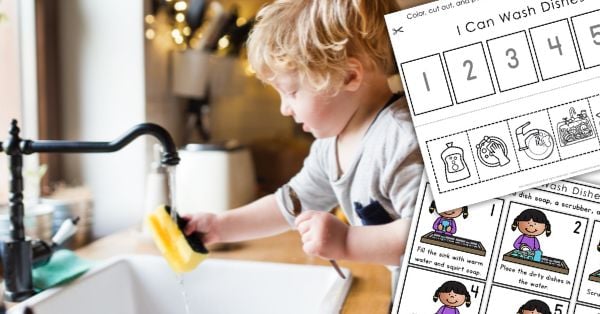
Equally important is teaching children about resource management and clean-up procedures. The Montessori philosophy emphasizes care of the environment, and baking activities provide perfect opportunities to practice these values. Children learn to measure carefully to avoid waste, wipe surfaces clean, wash utensils properly, and return all materials to their proper places. These habits extend beyond the kitchen, instilling lifelong patterns of organization and responsibility.
Adapting to Nutritional Preferences
For families and educators seeking alternatives to traditional baking ingredients, several adaptations maintain the educational experience while accommodating different nutritional needs:
Low-carb cake mixes provide the same measuring and mixing experience while reducing carbohydrate content. These mixes often use alternative flours and sweeteners that align with various dietary approaches while preserving the familiar baking process.
Natural low-sugar frosting options, such as whipped coconut cream with minimal maple syrup or honey, allow for decorating practice without excessive sweeteners. Greek yogurt sweetened with fruit purees offers another protein-rich alternative that maintains the fun of decoration while providing better nutritional value.
Coconut oil can substitute for vegetable oils, offering a different nutritional profile while demonstrating how ingredient substitutions work in baking. This also provides an opportunity to discuss how different fats affect recipe outcomes.
The Classroom as an Ideal Setting
The classroom environment offers distinct advantages for baking activities. Teachers can ensure proper safety protocols are followed consistently, and the social nature of classroom baking reinforces community values like sharing, taking turns, and working collaboratively. The structured environment also allows for demonstrating proper clean-up routines that might be more challenging to maintain consistently at home.
For families who prefer to limit traditional baking ingredients at home, the sequencing cards and procedural practice can still provide valuable learning opportunities. Children can practice the steps using play ingredients or simply follow the sequence verbally, still gaining the cognitive benefits of understanding multi-step processes.
Whether using traditional ingredients or adapted alternatives, the core educational benefits remain: children develop fine motor skills through measuring and mixing, practice reading comprehension through recipe following, learn mathematical concepts through measurement, and most importantly, build confidence through completing complex, multi-step tasks. By focusing on the process rather than just the final product, we honor the true spirit of Montessori practical life.
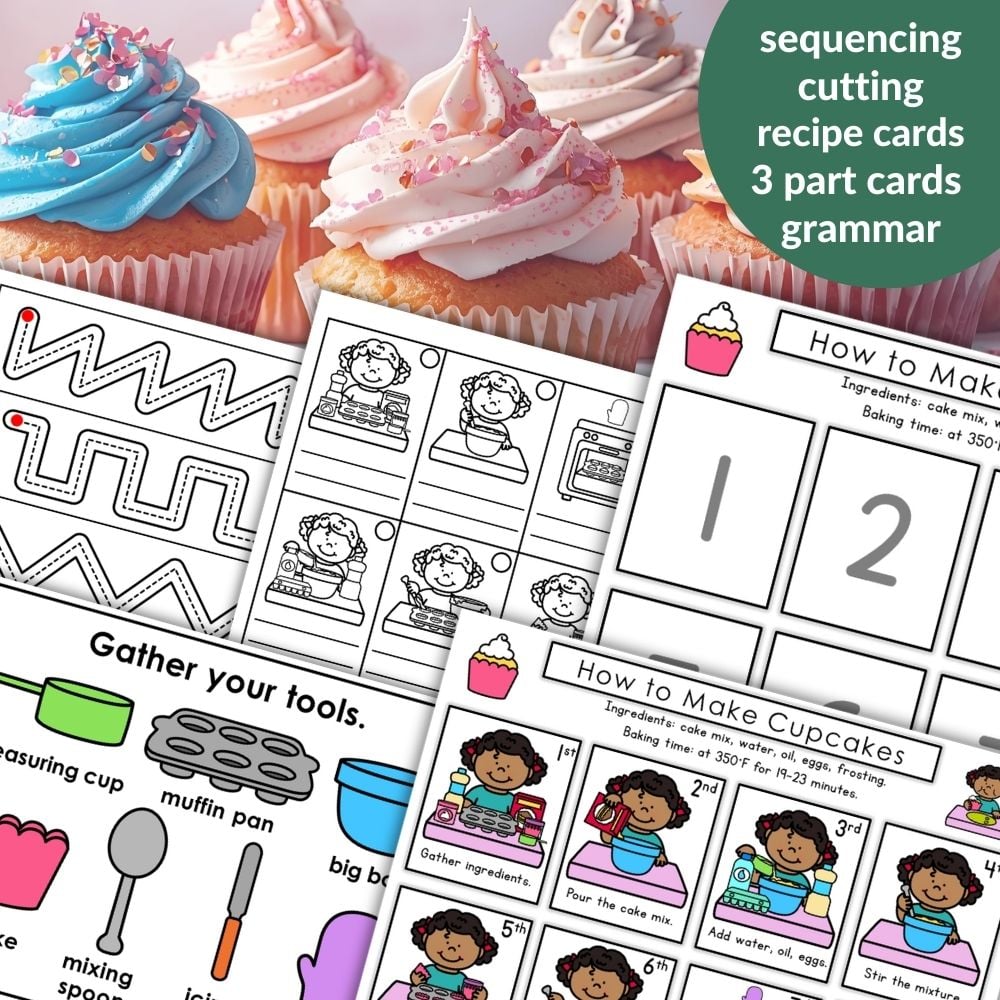
How to Make Cupcakes Practical Life Kitchen Recipe Sequecing Cards
Bring the joyful magic of baking to your classroom or home with this enchanting How to Make Cupcakes printable! This delightful resource marries the hands-on excitement of celebration baking with foundational grammar skills, creating a multisensory learning experience perfect for birthdays, Christmas parties, and DIY gift-giving.
This printable is also available on TPT
You Might Also Enjoy

About Anastasia | Anastasia is an early childhood teacher with over twenty years of experience in Montessori classrooms and homeschooling. With a Master’s in Information Science, she blends education and information design to create clear, organized, research-backed resources. As founder of Montessori Nature, she develops evidence-based, nature-inspired printables that support holistic child development and foster curiosity, independence, and a love of learning. Explore more in her shop and Teachers Pay Teachers store.