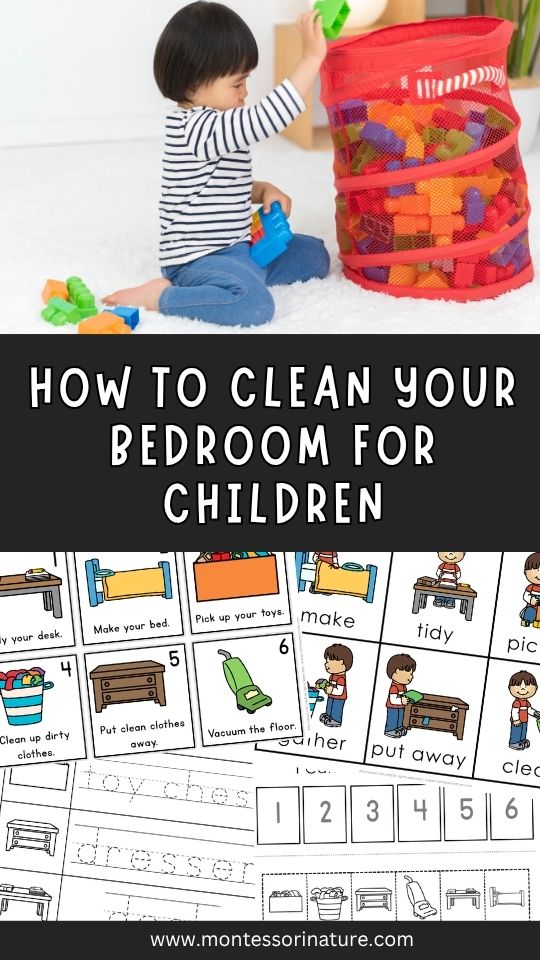
Teaching children how to clean their bedroom is one of the most valuable life skills a parent or educator can offer. It builds responsibility, fosters respect for personal belongings, and develops the executive functioning skills that help children succeed in school and beyond. For families seeking practical chore routines, Montessori-inspired practical life activities, and structured resources for daily living skills, a thoughtful approach to bedroom cleaning creates lasting habits. When children learn to care for their own space, they gain independence, attention to detail, and the quiet confidence that comes from knowing they can manage their environment.
Why Bedroom Cleaning Matters
A child’s bedroom is often their first territory. It is where they play, dream, and retreat. When they learn to keep it tidy, they learn something fundamental: their actions shape their surroundings. A clean bedroom reduces stress, improves focus, and creates a calm space for rest and creativity. But beyond the immediate benefits, the process of cleaning teaches children how to break down large tasks, follow sequences, and take pride in their work.
Instilling Respect for Personal Belongings

Respect for belongings does not appear automatically. It grows through consistent teaching and the experience of caring for things.
- Start with the concept that everything has a home. When children know exactly where their favorite book belongs, where to place their shoes, which drawer holds their socks, they can return items independently. Use clear storage bins, low shelves, and picture labels for younger children.
- Model the behavior you want to see. When children watch adults handle belongings with care—hanging coats, returning keys to a hook, placing books back on shelves—they absorb the idea that order is normal and valuable.
- Teach through natural consequences. When a toy is left on the floor and gets stepped on, talk about what happened without blame. “The puzzle was on the floor where people walk. Next time, let’s put it back on the shelf.” The lesson sticks when it comes from experience.
- Use language that reinforces care. Say “We take care of our things so they last” and “This belongs in the art bin. Let’s return it.” Over time, children internalize this language and begin using it themselves.
Developing Attention to Detail
Attention to detail is a skill that grows with practice. It begins with noticing.
Play noticing games. “Do you see the book that slipped behind the bed?” “Which shelf is missing its puzzle?” These questions train children to observe their environment carefully.
Slow down the cleaning process. Instead of rushing to finish, invite the child to look closely. “Let’s check under the bed. What do we find there? What about behind the door?” The process becomes a discovery rather than a chore.
Use specific checklists. “Clean your room” is overwhelming. A list that says “Make bed, put books on shelf, return toys to bin, put dirty clothes in hamper” gives clear, achievable steps. Children can check off each task and see their progress.
Celebrate the finished room. After cleaning, pause together and notice what is different. “Look how nice it feels when the floor is clear.” “Doesn’t the bed look cozy with the pillows arranged?” This reflection helps children connect their effort to the pleasant result.
An Age Guide for Chores at Home
Children develop at different rates, but here is a general guide for what to expect at each stage.
Ages 2 to 3
Young toddlers are eager to help. Keep tasks simple and work alongside them.
- Put toys in a basket when asked
- Place dirty clothes in a hamper
- Wipe small spills with a cloth
- Put books on a low shelf
At this age, the adult does most of the work while the child assists. The goal is building the habit of contributing.
Ages 4 to 5
Preschoolers can take on more responsibility with clear guidance.
- Make the bed with help (pull up the duvet, arrange pillows)
- Sort clean socks and underwear
- Put away folded clothes in low drawers
- Dust low surfaces with a small cloth
- Water plants in the bedroom
Visual charts work well at this stage. Children can follow pictures showing each step.
Ages 6 to 8
Early elementary children are ready for more independent work.
- Make the bed independently
- Sort laundry by color
- Vacuum small areas with a lightweight machine
- Wipe down surfaces with non-toxic cleaner
- Organize desk or homework area
- Take out recycling or trash
Checklists become helpful tools. Children can work through a sequence of tasks with minimal reminders.
Ages 9 to 11
Older children can manage their space with growing independence.
- Complete full room clean weekly
- Change sheets with assistance
- Organize closet and drawers seasonally
- Deep clean surfaces and mirrors
- Manage their own laundry from sorting to folding
- Identify what needs replacing or donating
At this stage, children can take ownership of their space with occasional check-ins rather than constant supervision.
Making Cleaning a Regular Routine
Consistency matters more than intensity. A room tidied daily for five minutes stays cleaner than one cleaned weekly for an hour.
Daily tasks might include:
- Making the bed
- Putting clothes in the hamper
- Returning books and toys to their places
- Clearing the bedside table
Weekly tasks might include:
- Dusting surfaces
- Vacuuming or sweeping
- Wiping down mirrors and windows
- Sorting through papers and artwork
- Watering plants
Seasonal tasks might include:
- Sorting through clothes to donate outgrown items
- Deep cleaning windows and baseboards
- Organizing closets and storage
- Rotating toys to keep interest fresh
Supporting the Process with the How to Clean My Bedroom Printable
A structured visual guide can transform an overwhelming task into a manageable sequence. This How to Clean Your Bedroom printable breaks down the cleaning process into clear, illustrated steps that children can follow independently. Designed for kindergarten through third grade, this resource combines practical life skills with fine motor practice and vocabulary development.
The bedroom cleaning sequence cards show each step of the process. Children arrange the cards in order, building a mental map before they begin. The sequence mats with blank spaces allow children to place cards in the correct order, reinforcing the logical flow of cleaning tasks.
The “I Can Clean My Bedroom” mini-book provides a take-home guide children can color, assemble, and reference during their cleaning routine. This personalized resource becomes a tool for independence and a tangible record of their growing capability.
For older children, the parts of speech sorting activity categorizes cleaning-related words into nouns, verbs, adverbs, and adjectives. This connects practical life skills to grammar instruction in a meaningful context, reinforcing language learning while building chore competence.
What Children Gain
The child who learns to clean their bedroom gains more than a tidy space. They gain the ability to break down a large task into manageable steps. They learn to take pride in their environment. They develop the attention to detail that supports academic work and creative projects.
They learn that their hands can create order, that their effort makes a difference, that their space reflects their care. These are not small lessons. They are the foundation of self-respect and respect for the world they inhabit.
When a child makes their bed for the first time without being asked, or notices a stray sock and returns it to the drawer, or pauses to straighten a stack of books before leaving the room—that child is demonstrating something important. They have internalized the habit of care. It will serve them in every room they ever occupy, in every space they ever call their own.
Getting Started
Begin with one small change. Perhaps it is the daily making of the bed. Perhaps it is a basket for toys that lives in the same spot every night. Perhaps it is a simple checklist taped to the bedroom door.
Let the routine grow slowly. Add tasks as they become habit. Celebrate progress rather than perfection.
And when the room is clean and the child stands in the doorway surveying their work, pause together. Notice the quiet. Let the child know: you did this. You made your space beautiful. Tomorrow, we will do it again.
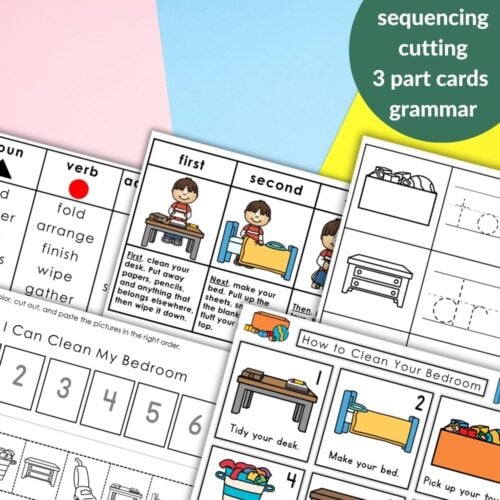
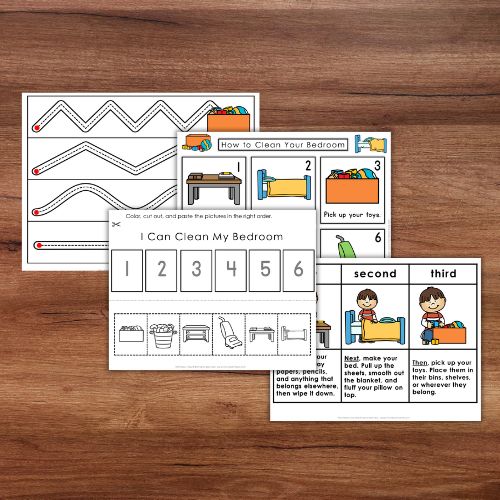
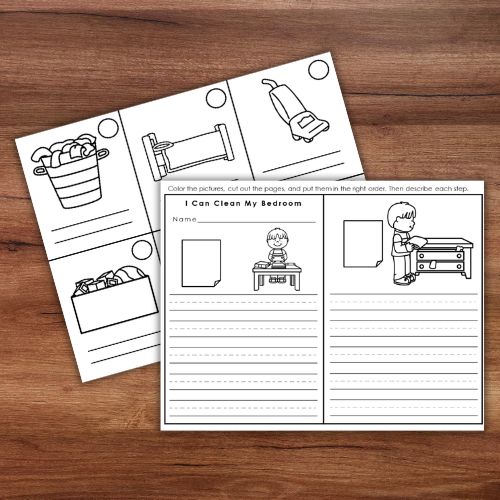
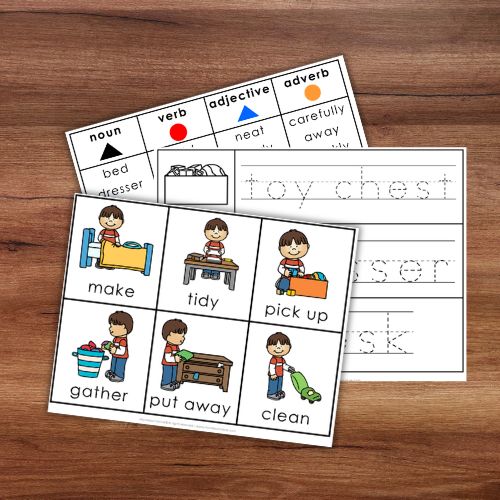
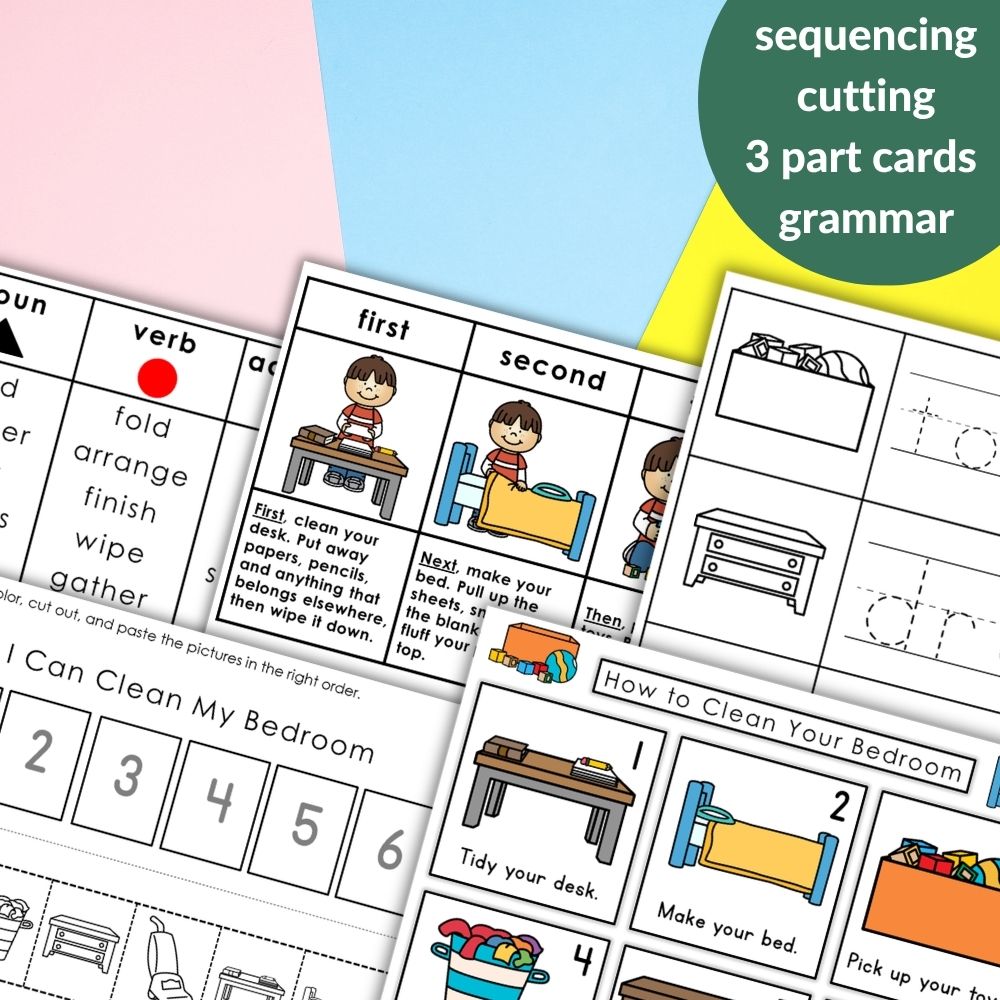
How to Clean Your Bedroom Daily Chores Sequencing Cards
This How to Clean Your Bedroom printable provides hands-on activities for teaching household routines, sequencing, and responsibility. Designed for students in Kindergarten through Grade 3, the materials break down the bedroom cleaning process into clear steps while integrating fine motor practice and vocabulary development. Ideal for life skills instruction, daily chores units, and practical life resources, this printable helps children build independence and executive functioning skills.
You Might Also Enjoy
-
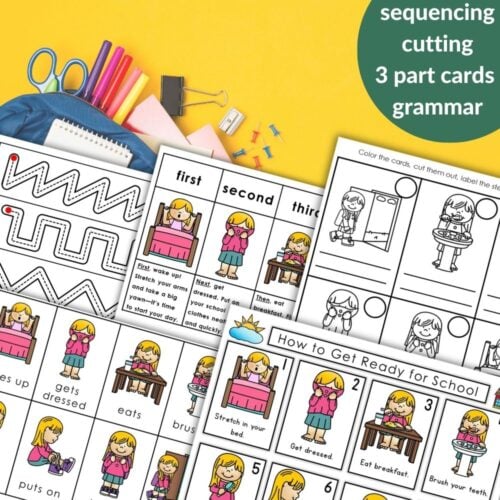
 How to Get Ready for School Daily Routine$3.10
 -
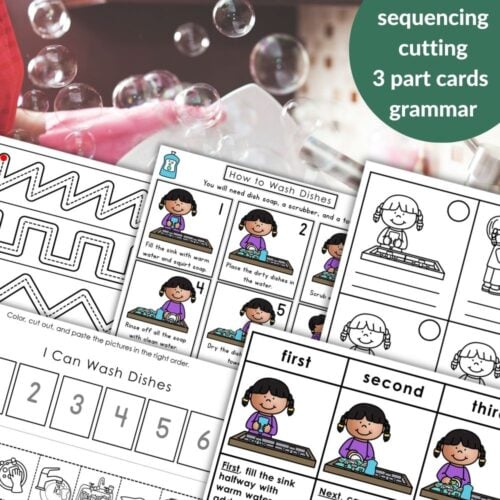
How to Wash Dishes Practical Life Daily Chores Sequencing Cards$3.60
-
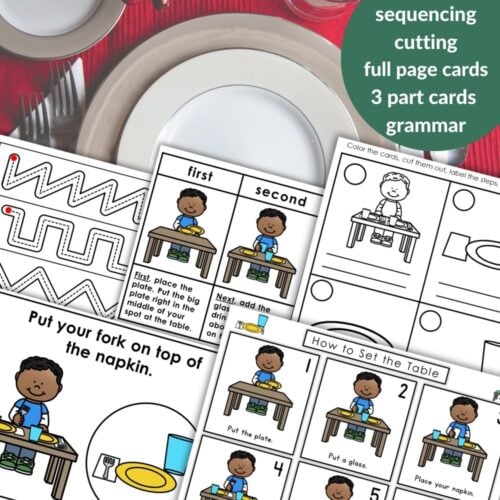
How to Set the Table Practical Life Daily Routine Sequencing Cards$4.05
-
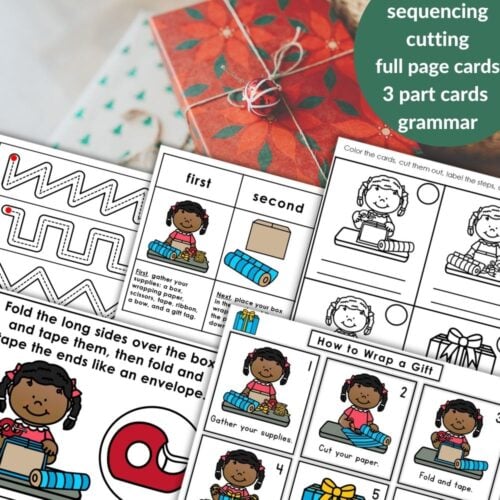
How to Wrap a Gift Practical Life Christmas Birthday Sequencing Cards$4.05
-
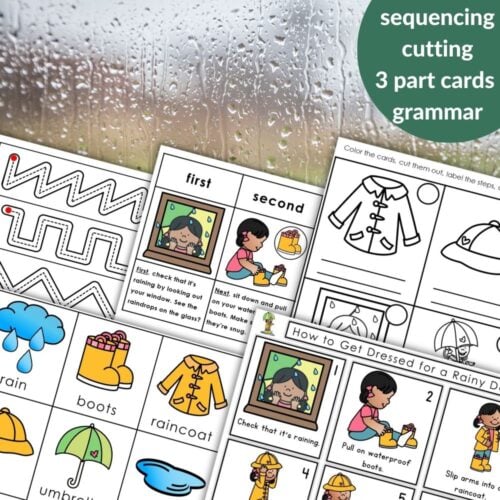
How to Get Dressed for a Rainy Day$3.10
-
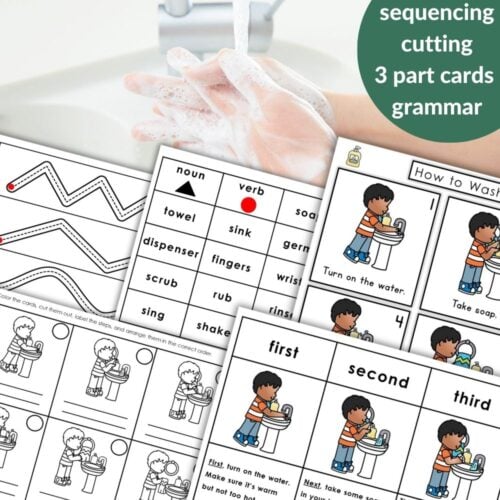
How to Wash Your Hands Hygiene$3.10
About Anastasia | Anastasia is an early childhood teacher with over twenty years of experience in Montessori classrooms and homeschooling. With a Master’s in Information Science, she blends education and information design to create clear, organized, research-backed resources. As founder of Montessori Nature, she develops evidence-based, nature-inspired printables that support holistic child development and foster curiosity, independence, and a love of learning. Explore more in her shop and Teachers Pay Teachers store.