The holiday season brings with it a tapestry of traditions, and at the center of many festive tables sits the turkey roast. This culinary tradition has deep historical roots, particularly in North America. For Thanksgiving, the connection is often traced to the 1621 harvest feast shared between the Pilgrims and the Wampanoag people, where wild fowl, likely including turkey, was served. Its establishment as a national holiday in the 19th century cemented the turkey’s role.

For Christmas, the tradition is different, evolving in Europe where wealthy families would showcase their prosperity by serving large roasted birds, particularly geese. As turkey was introduced from the Americas, it became a popular and often more economical alternative for this celebratory meal, blending immigrant customs into a new holiday staple. Beyond history, preparing this meal offers a powerful opportunity for hands-on learning, transforming the kitchen into a classroom where children develop practical skills and contribute meaningfully to family celebrations.
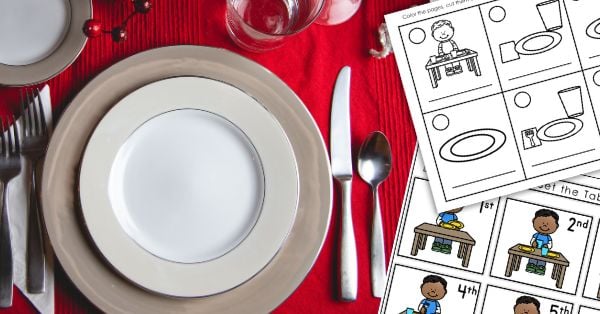
Hands-on learning activities grounded in real-world tasks are the cornerstone of building capable, confident children. The process of preparing a holiday meal is rich with such opportunities. Before the cooking even begins, children can engage in practical life exercises that build necessary skills. A simple transferring activity, using a baster to move water from one bowl to another, practices the fine motor control and hand strength needed for basting the actual turkey. Peeling carrots and celery for stuffing or a crudité platter develops bilateral coordination and concentration. Setting the holiday table is a classic grace and courtesy activity, teaching children how to arrange place settings, fold napkins, and consider the comfort of their guests. These exercises are not merely chores; they are purposeful preparations that allow the child to become an active, contributing member of the family unit.
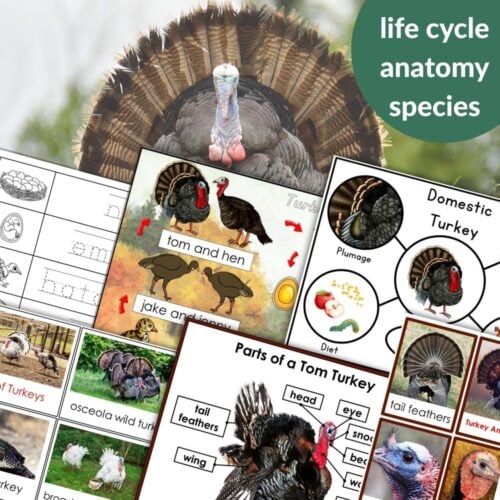
To structure this learning and empower children to take a leading role, a dedicated resource can be invaluable. Our “How to Cook a Turkey” printable is designed to guide young chefs through the exciting process of preparing the centerpiece of the festive meal. This comprehensive tool transforms a traditional cooking tradition into an accessible, educational activity, perfect for both Thanksgiving feasts and Christmas dinners. It builds kitchen confidence, sequencing skills, and fosters genuine participation in family or classroom preparations.


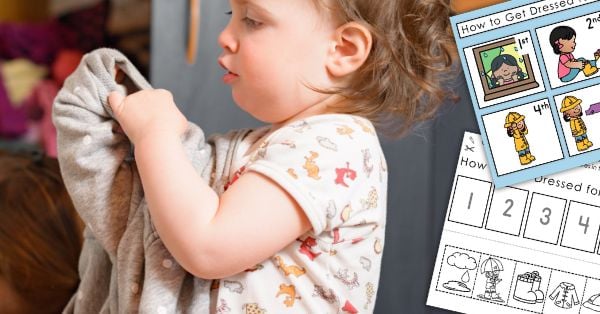
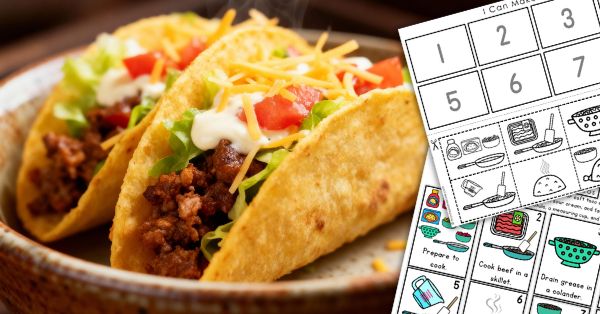
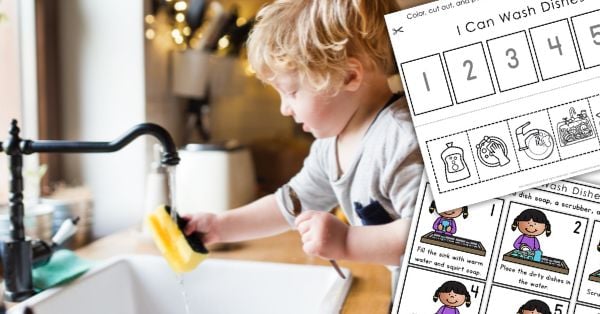
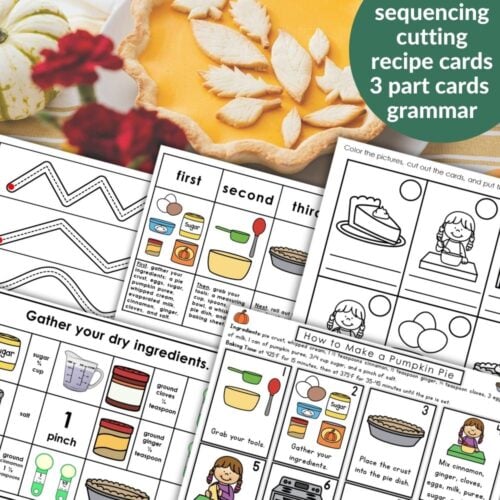
The printable includes celebration sequencing cards that break down the turkey preparation process into logical, manageable steps, from thawing to carving. This allows children to visualize the entire procedure and understand the importance of order in a complex task. A self-checking poster empowers children to verify the sequence independently, promoting autonomy and self-correction. The holiday recipe booklet provides a child-friendly format for following the recipe, which they can illustrate and personalize.
Further extending the learning, the resource includes three-part cooking verb cards, introducing action words like “baste,” “season,” and “truss.” This builds relevant vocabulary in a meaningful context. Tracing strips and cutting strips offer opportunities to refine fine motor skills and pencil grip, directly tying the activity to pre-writing development. For older children, a grammar sorting activity with the cooking verbs and ingredients provides a tangible introduction to parts of speech, connecting language work directly to their practical experience.
Beyond the kitchen, the spirit of the season can be fostered through other meaningful activities. Children can create handmade place cards for the holiday table, a grace and courtesy exercise that honors each guest. Preparing a small “thanksgiving” basket where family members write or draw what they are grateful for on paper leaves creates a visual centerpiece of gratitude. In the classroom, children can practice offering and receiving food politely, serving each other simple snacks like crackers or apple slices to prepare for the family meal.
The act of involving a child in preparing the holiday turkey does more than create a meal; it creates memories and builds capability. It connects them to historical traditions through direct experience and provides a platform for developing independence, coordination, and a sense of responsibility. By providing clear tools and expectations, we honor the child’s desire to contribute meaningfully. This holiday season, the most cherished tradition might not be the meal itself, but the shared process of creating it together, fostering a child’s confidence and cementing their role as a valued participant in family traditions.
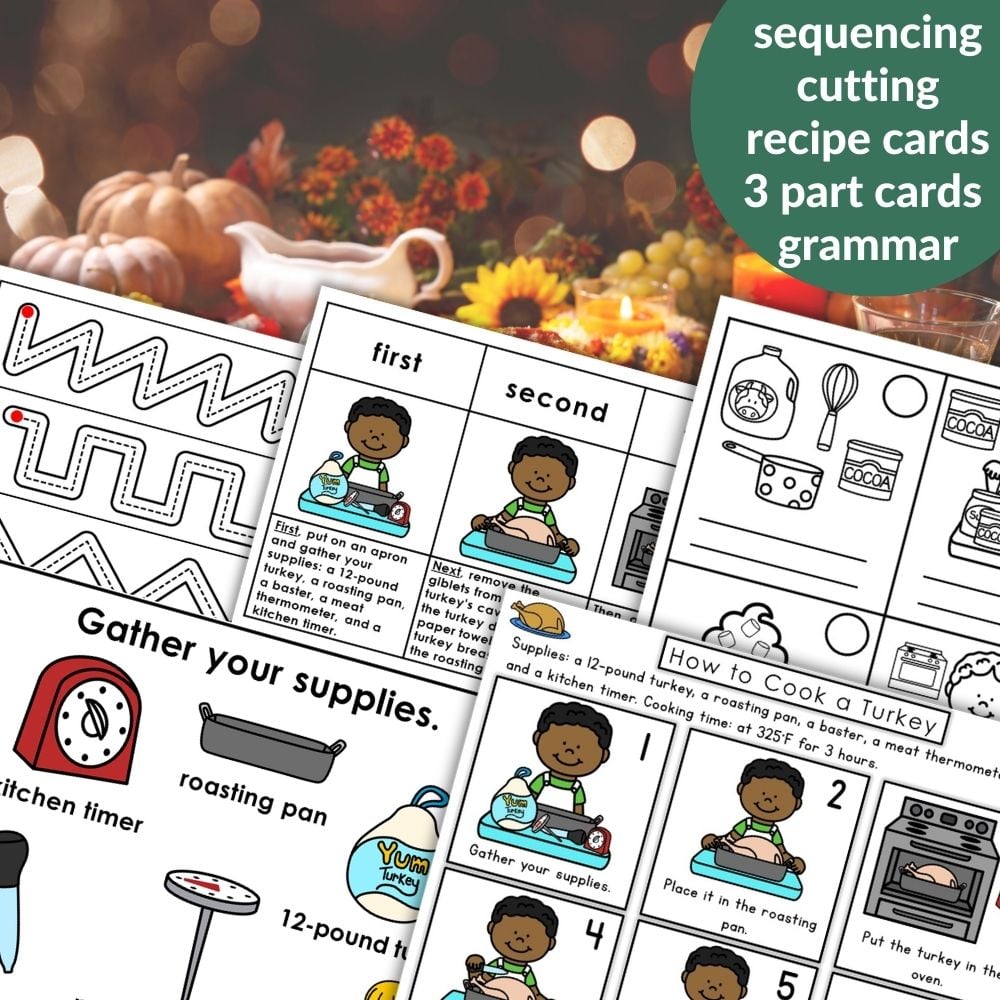
How to Cook a Turkey Thanksgiving Recipe Sequencing Cards Blackline Master
Create holiday memories with this How to Cook a Turkey printable. This resource guides young chefs through the exciting process of preparing the centerpiece of festive meals, making it perfect for Thanksgiving feasts, Christmas dinners, and special family gatherings.
This printable is also available on TPT
You Might Also Enjoy
About Anastasia | Anastasia is an early childhood teacher with over twenty years of experience in Montessori classrooms and homeschooling. With a Master’s in Information Science, she blends education and information design to create clear, organized, research-backed resources. As founder of Montessori Nature, she develops evidence-based, nature-inspired printables that support holistic child development and foster curiosity, independence, and a love of learning. Explore more in her shop and Teachers Pay Teachers store.