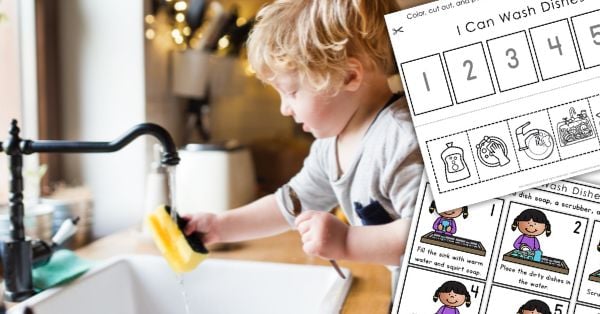
As the autumn air turns crisp and leaves transform into a tapestry of gold and crimson, our attention naturally turns toward the comforts of the kitchen. There is a unique magic in autumn baking, where the scent of spices mingles with the earthy aroma of seasonal produce. For children, this season offers a perfect opportunity to engage in meaningful, hands-on learning that stretches far beyond the walls of the classroom. The process of creating a pumpkin pie, from measuring ingredients to watching it emerge golden from the oven, provides a rich, multisensory experience that nurtures independence, teaches practical skills, and builds lasting confidence.
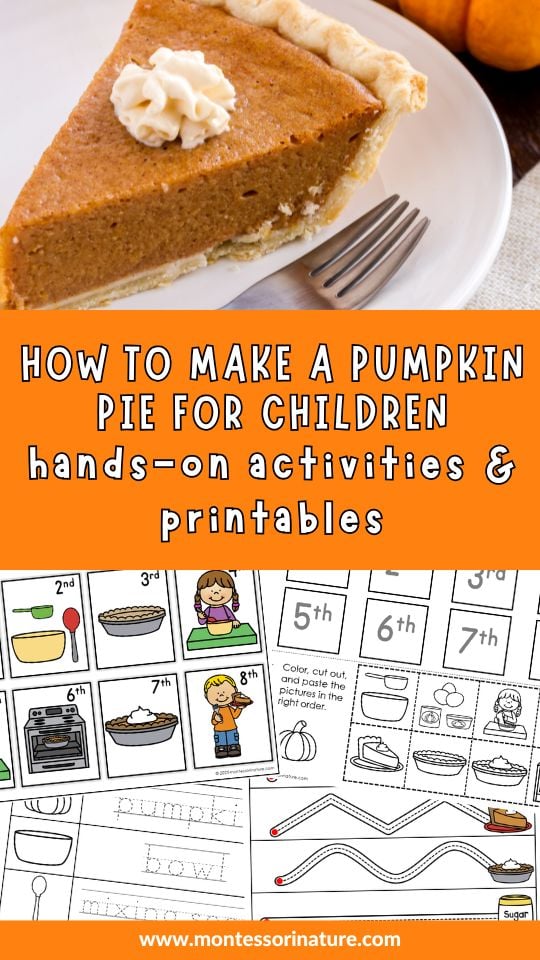
In the Montessori philosophy, we view the kitchen not merely as a place to prepare food, but as a dynamic learning environment. It is a space where abstract concepts like fractions become tangible, where scientific reactions unfold before our eyes, and where the cycle of nature—from seed to squash to sustenance—can be fully appreciated. Guiding a child through the steps of making a pumpkin pie is about more than creating a dessert; it is about empowering them with the competence and self-assurance that comes from accomplishing a complex, real-world task.
The Essential Ingredients: Independence and Life Skills
Why is it so vital to foster independence from a young age? When a child successfully completes a task like baking, they are doing more than following a recipe. They are constructing their sense of self. Each measured spoonful, each carefully stirred mixture, reinforces a powerful internal message: “I am capable.” This self-belief becomes the foundation upon which they approach future academic challenges, social interactions, and personal goals. The kitchen is a training ground for life, where children learn to follow multi-step processes, practice patience, and experience the direct consequence of their efforts.
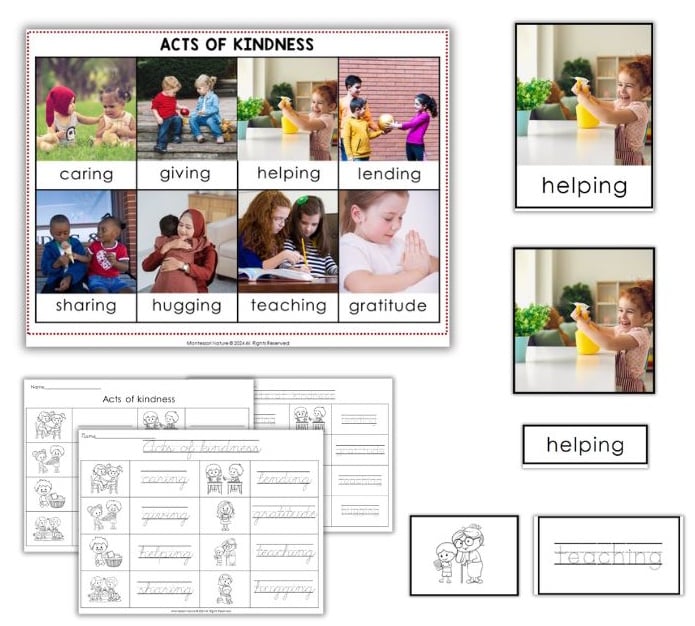

Teaching children to handle kitchen tools safely is a profound act of trust. It communicates that we believe in their ability to manage responsibility. Demonstrating the correct way to use a rolling pin, crack an egg, or carefully pour a liquid are lessons in mindfulness and coordination. These activities simultaneously develop the fine motor control crucial for writing, while instilling a respect for the tools and the process. The kitchen becomes a place where concentration flourishes and the child’s will to do for themselves is lovingly honored.
A Slice of Autumn Learning
Autumn, with its harvest themes and natural rhythm, provides the perfect context for this learning. The story of a pumpkin pie can begin long before the first ingredient is measured. It can start in a pumpkin patch, with a discussion of how plants grow, or at a farmer’s market, selecting the perfect sugar pumpkin. This connection to the origin of our food deepens a child’s understanding and respect for the natural world. The entire process is imbued with the sights, smells, and tastes of the season, creating a memorable anchor for learning.
Practical Guidance for Baking with Children
When preparing to make pumpkin pie with children, a thoughtful setup is key to a successful and enjoyable experience. Begin by creating an organized workspace at the child’s level. Use a low table or secure a stable stepping stool at the counter. Prepare all ingredients and necessary tools beforehand—mixing bowls, measuring cups and spoons, a whisk, a rolling pin, and a pie dish. This “mise en place” allows the child to focus entirely on the process without unnecessary waiting or searching for items.
When working through the recipe, break down each step into manageable actions. Demonstrate how to crack an egg on a flat surface rather than the edge of the bowl to prevent shell fragments. Show the proper way to level off measured ingredients with the straight edge of a knife. When rolling out the crust, teach them to turn the dough quarter turns between rolls to maintain an even circle. Most importantly, embrace the imperfections—the slightly lopsided crust, the uneven spice distribution—as beautiful markers of the child’s authentic involvement.
Montessori-Style Preparatory Activities
Before even beginning the pie-making process, several hands-on activities can prepare children for success while developing foundational skills.
An ingredient labeling activity introduces essential literacy and vocabulary. Place each dry ingredient in identical small containers with lids—flour, sugar, salt, cinnamon, ginger, and cloves. Create matching word cards for each ingredient. Children can practice matching the word to the correct container, then checking their work with a control card that features both the word and a small image. This not only builds reading readiness but also familiarizes them with the ingredients they will use.
Transfer activities build the fine motor control necessary for measuring and pouring. Provide a small tray with two bowls—one filled with dried pumpkin seeds or beans, and an empty one. Include a tablespoon for practice transferring. For an additional challenge, offer a baster or small pipette for transferring water between containers. These exercises strengthen the pincer grasp and hand-eye coordination, making the actual baking process much smoother.
A pumpkin sensory bin creates a rich tactile experience connecting children to the main ingredient. Fill a large bin with a filler as a base. Add small pumpkins and gourds of different sizes, cinnamon sticks, whole nutmeg, measuring cups, and small containers. Children can explore textures, practice pouring and filling, and engage in sensory play.
Introducing the How to Make a Pumpkin Pie Printable
To support this journey of discovery and skill-building, I have created a printable resource designed to guide children through the entire process of making a pumpkin pie. This activity is suited for both the classroom practical life shelf and the family kitchen, transforming a classic autumn tradition into an engaging, educational experience.
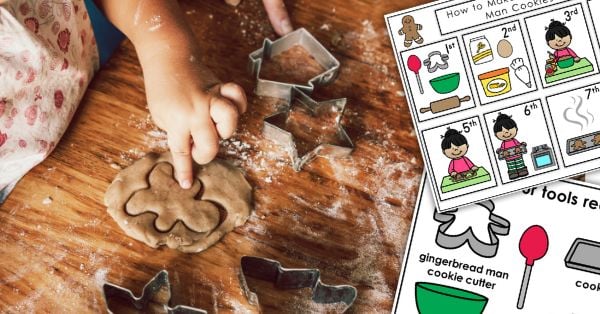
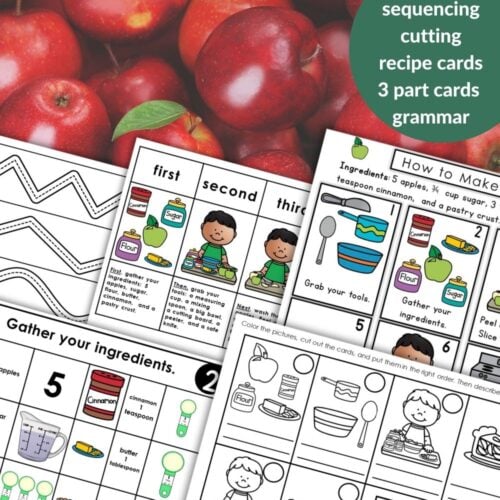
The How to Make a Pumpkin Pie printable breaks down the recipe into clear, sequential steps that a child can follow with growing autonomy. Visual sequencing cards provide a logical roadmap for the process. This not only teaches the specific recipe but also reinforces the cognitive skill of sequencing, which is fundamental to reading comprehension and problem-solving.
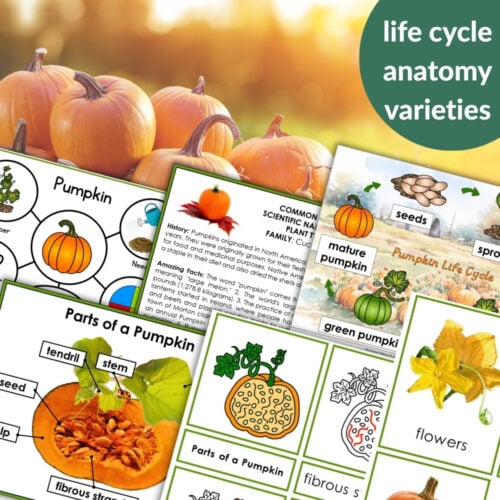
For a cross-curricular connection, the set features a set of three-part cards detailing the life cycle of a pumpkin, linking the cooking activity back to botany and the natural world. Practical math is integrated through measurement conversion cards and fraction practice with the pie slices, making abstract concepts concrete and relevant.
To consolidate their learning, children can create their own mini-recipe book to take home, a tangible record of their accomplishment that they can share with pride. The resource also includes scissor strips for fine motor practice, tracing cards for pre-writing skill development, and a simple pumpkin anatomy chart.
This multisensory kit seamlessly blends practical life skills with literacy, math, and science, all within the joyful context of autumn baking. It is designed to build confidence, promote independence, and create a deep sense of satisfaction that comes from creating something wonderful from start to finish.
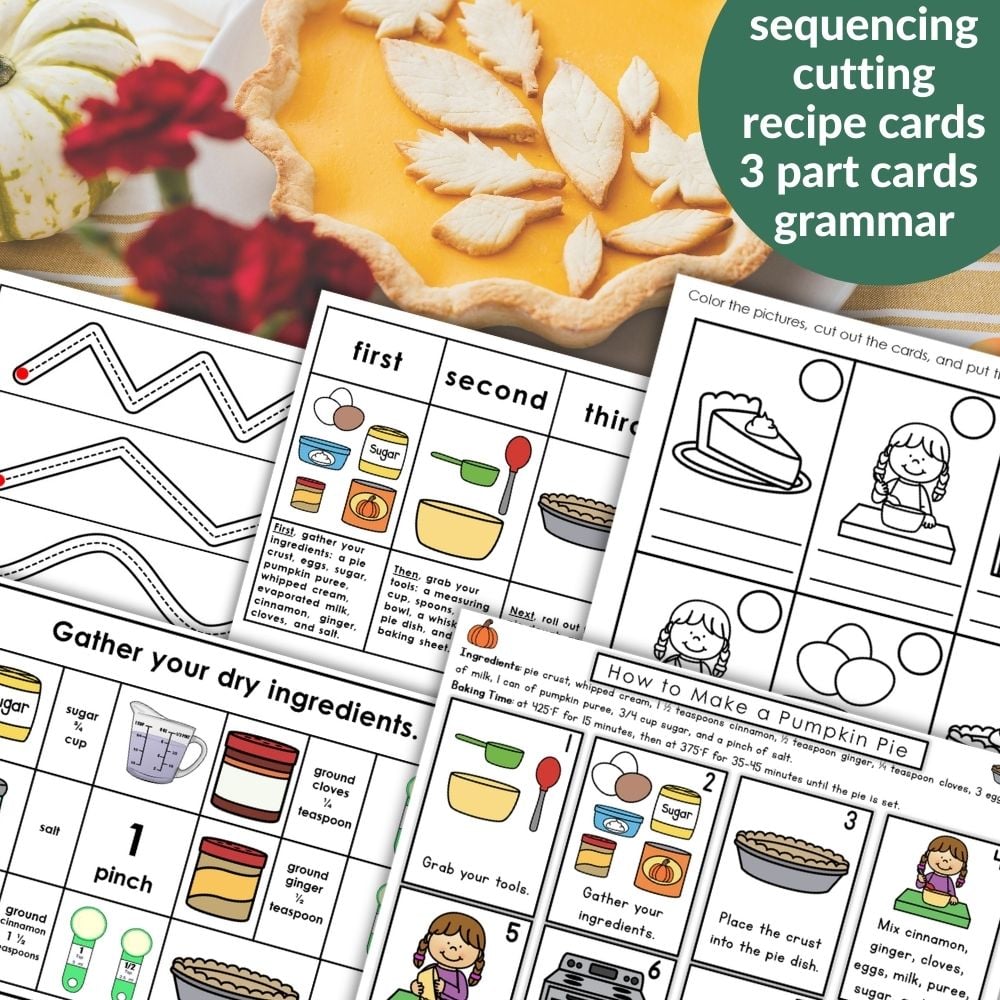
How to Make a Pumpkin Pie Recipe Sequencing Cards Blackline Master
Turn seasonal celebrations into delicious learning opportunities with this How to Make a Pumpkin Pie printable! This engaging resource guides young children through the joyful practical life skill of baking, making it the perfect addition to Thanksgiving feasts, Christmas gatherings, and autumn harvest celebrations.
You Might Also Enjoy
-
 Parts of a Pumpkin Life Cycle Activities$8.00
 -
How to Make an Apple Pie Recipe Sequencing Cards$4.60
-
Knobless Cylinder Extension Cards: Fall Patterns$3.60
-
 Count to 10 Math Fine Motor Number Fall Cards Bilingual English Spanish$3.30
 -
Fall Kindergarten Hands on Activity Pack$8.10
-
Animal Tracks: Fall Theme 3-Part Cards$2.30


About Anastasia | Anastasia is an early childhood teacher with over twenty years of experience in Montessori classrooms and homeschooling. With a Master’s in Information Science, she blends education and information design to create clear, organized, research-backed resources. As founder of Montessori Nature, she develops evidence-based, nature-inspired printables that support holistic child development and foster curiosity, independence, and a love of learning. Explore more in her shop and Teachers Pay Teachers store.