As the air turns crisp and the first frost blankets the morning grass, a familiar seasonal transition begins for families and classrooms. This shift to colder weather necessitates a significant practical life skill for young children: learning to dress appropriately for winter conditions. The process of putting on multiple layers of clothing, from thermal underwear to snow boots, presents both a challenge and an opportunity. This seasonal change offers a perfect context for developing independence, problem-solving abilities, and an understanding of how our clothing choices directly relate to our comfort and health in different environments.
The ability to dress oneself for the weather is more than a convenience for adults; it is a fundamental aspect of a child’s growing autonomy. When children can successfully navigate the sequence of putting on winter gear, they develop a sense of mastery over their environment. This confidence extends beyond the mudroom or classroom doorway, influencing their approach to other challenges.
The physical process of dressing—zipping, buttoning, pulling, and fastening—provides invaluable fine motor practice that supports handwriting development and tool use. Furthermore, understanding the reason behind each clothing item fosters cognitive development and scientific thinking, as children learn the insulating properties of different materials and how our bodies respond to temperature changes.
The process of preparing for outdoor time can be framed as a collaborative effort rather than a series of individual tasks. Children can work in pairs to check each other’s gear, ensuring that no cuffs are tucked into sleeves and that scarves are properly arranged. This not only builds community but also develops observational skills and attention to detail. The classroom environment can be arranged to support this independence, with low hooks for coats, accessible cubbies for accessories, and visual reminders of the proper dressing sequence.


Here are some practical ways to help children learn winter dressing skills:
How to Set Up a Winter Dressing Area
- Choose a low space where children can reach everything easily
- Install hooks at child’s height for coats
- Place a small bench for sitting while putting on boots
- Set up cubbies or baskets for hats and mittens
- Put a boot tray by the door for wet footwear
- Hang a drying rack for wet mittens and scarves
The Step-by-Step Winter Dressing Sequence
- Start with base layers – long underwear and socks
- Add pants and a long-sleeved shirt
- Put on snow pants, sitting down to help with balance
- Pull on boots, making sure pants are tucked inside
- Zip up the winter coat
- Put on hat, then mittens last
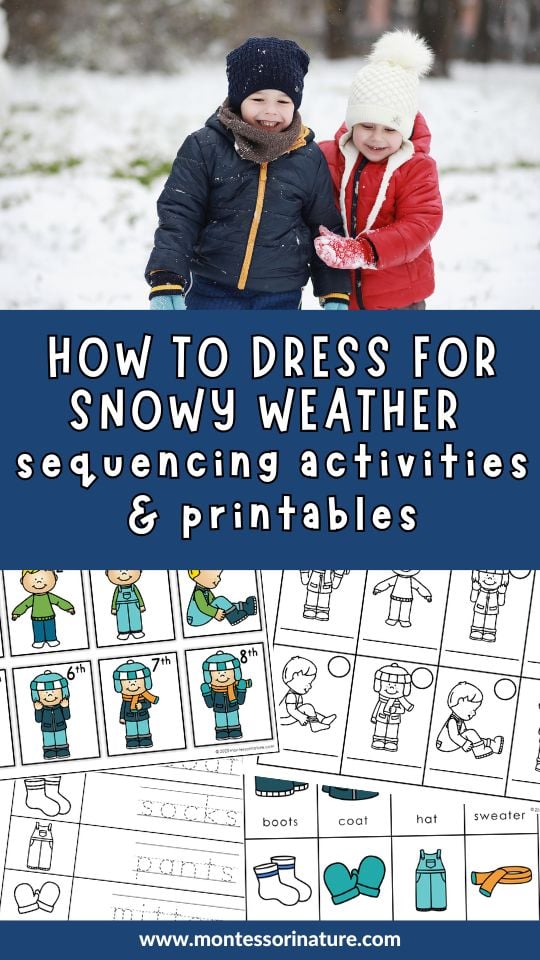
To make this process easier, I created the “How to Dress for Snowy Weather” printable. This resource helps children learn the dressing sequence while building their language skills. The printable includes picture cards that show each step of putting on winter clothes. Children can check their work using the self-checking poster. They can also make their own winter book to take home. The cutting and tracing strips help develop hand strength for writing.
The printable also helps children learn winter words in a fun way. They sort words into naming words (like “boots”), action words (like “zip”), and describing words (like “warm”). This makes language learning meaningful because it connects to their daily life.
Winter also brings opportunities for children to learn helpful social skills:
How to Help a Friend with Winter Gear
- Approach your friend calmly
- Ask “Would you like help with your zipper?”
- If they say yes, help them gently
- If they say no, say “Okay, let me know if you change your mind”
- Remember to wait your turn at the boot area
- Hold the door for others whose hands are full
How to Care for Winter Equipment
- When coming inside, wipe boots on the mat
- Place wet boots on the boot tray
- Hang wet mittens on the drying rack
- Put hats and scarves in your cubby
- Help tidy any spilled water from boots
- Check that all equipment is dry before putting it away
The transition to winter clothing, when approached with patience and the right tools, becomes more than just a necessary step before outdoor play. It transforms into a rich learning experience that spans practical life skills, language development, and social-emotional growth.
By providing children with clear sequences, appropriate vocabulary, and opportunities for independent practice, we empower them to take ownership of their preparation for the winter elements. The confidence gained from successfully dressing for cold weather creates a positive association with seasonal changes and fosters the resilience and self-reliance that will serve children throughout their lives, in all seasons and circumstances.
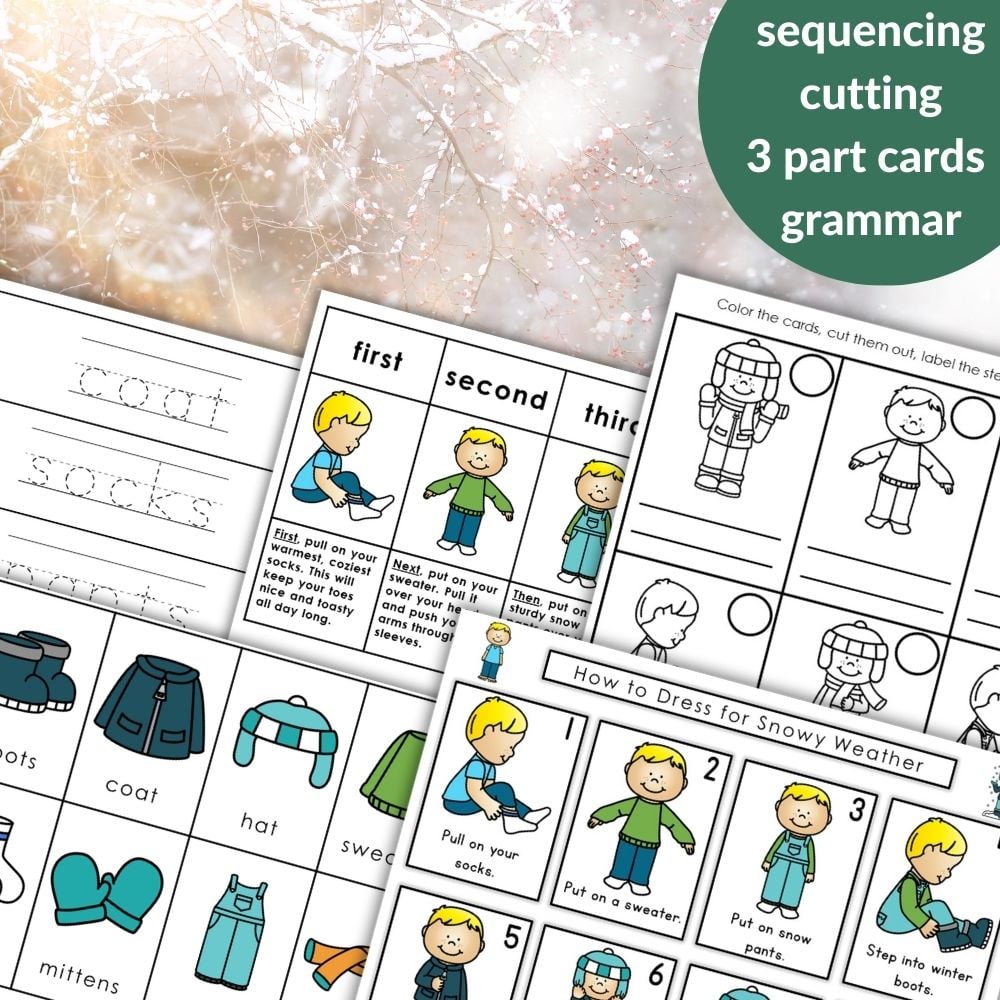
How to Dress for Snowy Weather Practical Life Winter Sequencing Cards Blackline Master
Prepare young learners for winter adventures while building essential language skills with this How to Dress for Snowy Weather printable. This practical life resource combines crucial cold-weather preparation with engaging grammar activities, making it perfect for preschool through early elementary students.
This printable is also available on TPT
You Might Also Enjoy
-
 How to Make a Pumpkin Pie Recipe Sequencing Cards Blackline Master$4.60
 -
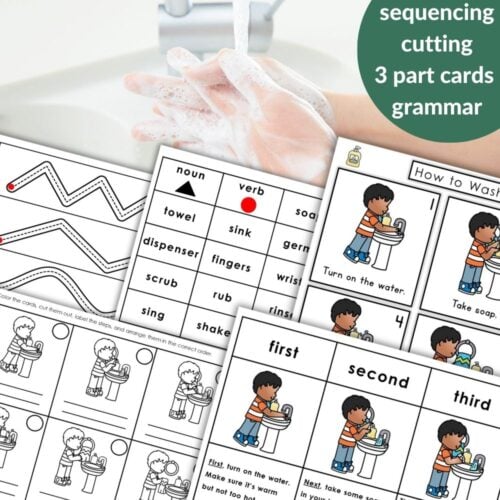
How to Wash Your Hands Hygiene$3.10
-
Venn Diagram of Snow and Water Comparison$2.60
-
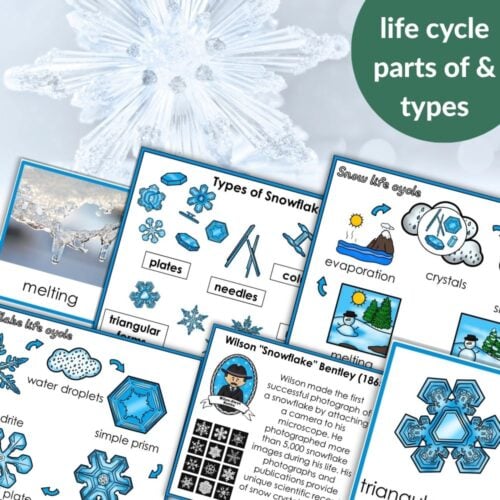
Snowflake Life Cycle Types of Snowflakes Snow Life Cycle Bentley$7.10
-
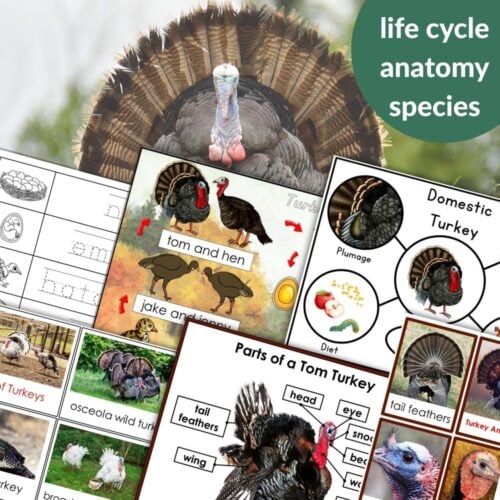
Parts of a Turkey Life Cycle Activities$7.10
-
How to Build a Snowman: Sequencing Grammar Fine Motor Activities$3.10


About Anastasia | Anastasia is an early childhood teacher with over twenty years of experience in Montessori classrooms and homeschooling. With a Master’s in Information Science, she blends education and information design to create clear, organized, research-backed resources. As founder of Montessori Nature, she develops evidence-based, nature-inspired printables that support holistic child development and foster curiosity, independence, and a love of learning. Explore more in her shop and Teachers Pay Teachers store.