The act of giving gifts represents a beautiful intersection of practical skills and emotional intelligence. In Montessori classrooms for children aged 3-6, the process of gift-giving transforms into a rich learning experience that extends far beyond the material present itself. This holiday season, we have the opportunity to guide children toward more mindful giving practices while teaching them the practical art of gift preparation.

The foundation of meaningful gift-giving begins not with wrapping, but with thoughtfulness. Before children ever touch wrapping paper, we can guide them through a process of considering what might bring genuine joy to the recipient. This starts with simple conversations during group time or individual discussions. We might ask questions like “What does Grandma especially love?” or “What makes your brother smile?” The goal is to shift focus from expensive presents to thoughtful ones.
A child might realize that their father would love a handmade coupon for “ten hugs” or that their grandmother would treasure a decorated rock for her garden. These conversations help children understand that the best gifts often come from observing what people truly need or enjoy, rather than what costs the most money.
Once a child has selected or created a meaningful gift, the practical work begins. Setting up a gift-wrapping station requires minimal materials but offers maximum learning potential. You’ll need a low table with all materials arranged in sequence: a basket with pre-cut wrapping paper (cut to various sizes to match common small gifts), a tape dispenser with pre-pulled tape strips on the table edge, scissors with blunt tips, pre-cut ribbon lengths, and simple gift tags. The environment should be arranged to support independence, with each item having its specific place.

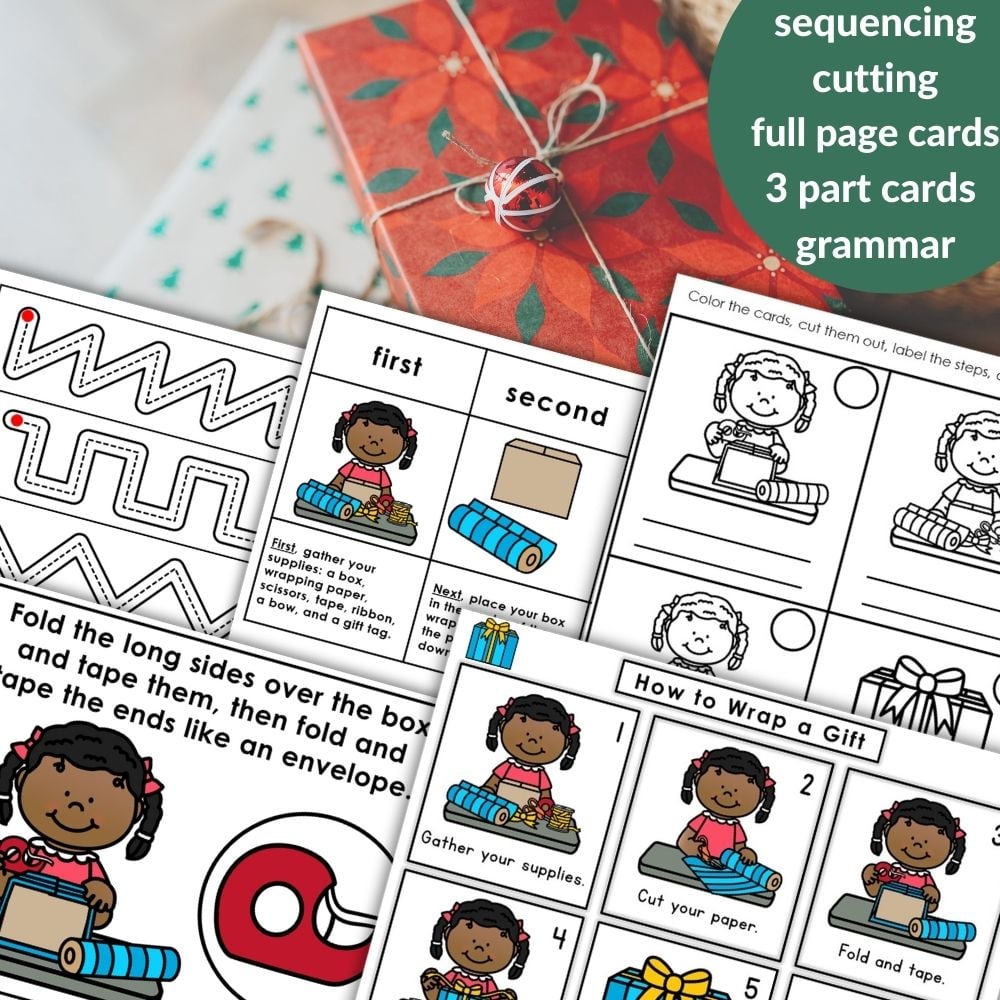
The gift-wrapping process unfolds in deliberate steps that children can master through practice and repetition. Begin by having the child place their gift box in the center of the paper, wrong side up. Show them how to bring one side of the paper over the box and secure it with a tape strip. Then demonstrate how to fold the ends neatly, creating crisp hospital corners before taping them down. The final steps involve adding ribbon—tying a simple knot rather than a complex bow—and writing their name on a gift tag. Each of these actions develops fine motor control, hand-eye coordination, and the ability to follow a sequence.
The social and emotional aspects of gift-wrapping are equally important. Children learn to handle materials carefully, to take pride in creating something beautiful for others, and to experience the quiet satisfaction of focused work. The wrapping process becomes a meditation of sorts—a time when children concentrate fully on creating something beautiful for someone they care about. This mindful approach to preparation helps children understand that the care put into presentation is itself a gift.
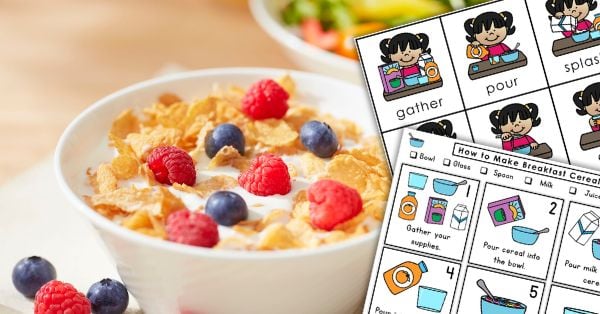
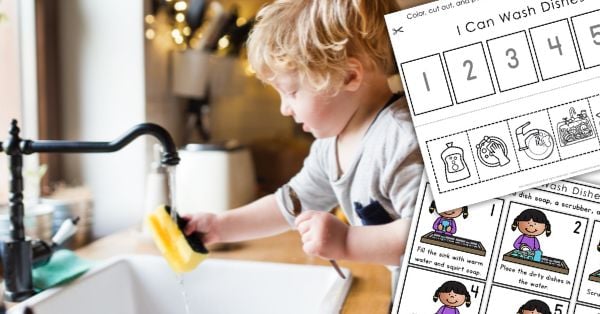
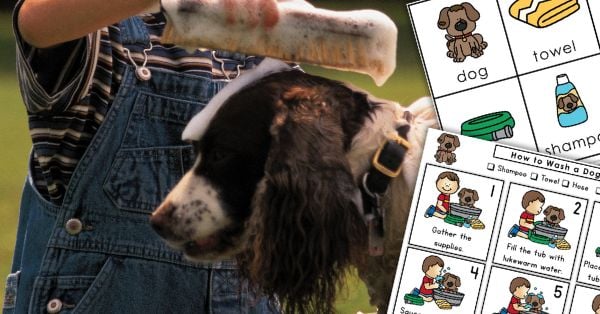
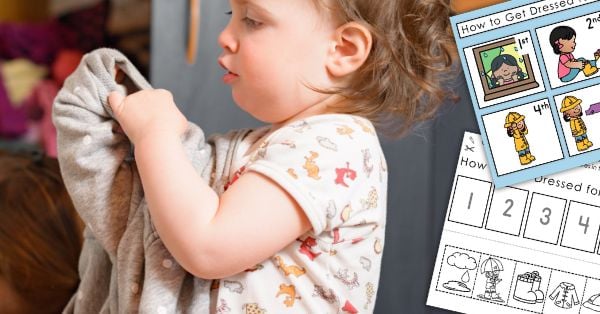
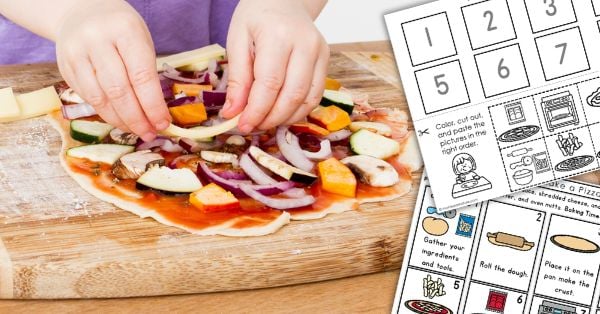
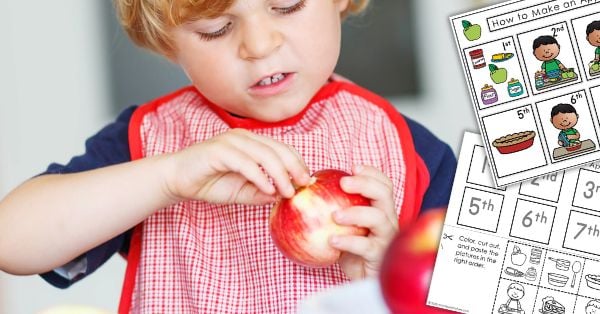
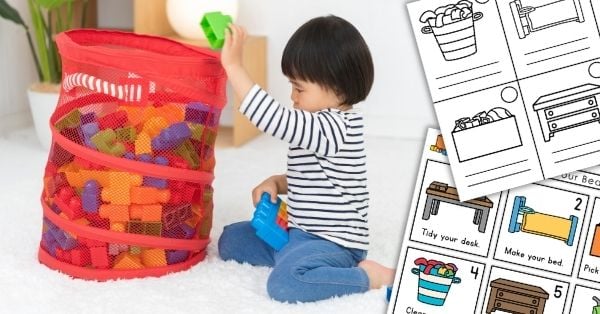
To support this learning process, I’ve developed the “How to Wrap a Gift” printable, which transforms this essential life skill into an engaging educational activity. The resource includes step-by-step sequencing cards that break down the wrapping process into manageable steps.
The printable extends beyond basic wrapping skills to include cutting strips that develop scissor control along various lines, three-part vocabulary cards that build terminology, and tracing strips that practice handwriting with wrapping-themed words.
Through hands on activities, children develop practical life skills including measuring, cutting, folding, and taping. They refine fine motor development through scissor control, paper manipulation, and ribbon tying. The sequencing and logic required in step-by-step processes builds cognitive skills, while spatial awareness grows through paper measurement and box wrapping techniques.
When children complete the process—from considering what would make someone happy to presenting a beautifully wrapped gift—they experience the true joy of giving. Their pride comes not from having bought something expensive, but from having created something special through their own effort and thoughtfulness. This approach to gift-giving cultivates generosity, empathy, and the understanding that the most meaningful presents often involve more heart than money. Children learn that the true gift lies not in the present itself, but in the love and care expressed through the entire process of giving.
How to Wrap a Gift Practical Life Christmas Birthday Sequencing Cards
Teach children the art of gift-giving with this engaging How to Wrap a Present printable! This resource transforms a essential life skill into a fun, educational activity that builds fine motor skills, sequencing ability, and holiday excitement.
This printable is also available on TPT
You Might Also Enjoy
-
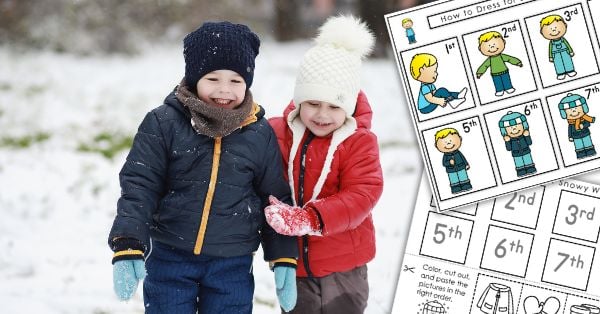
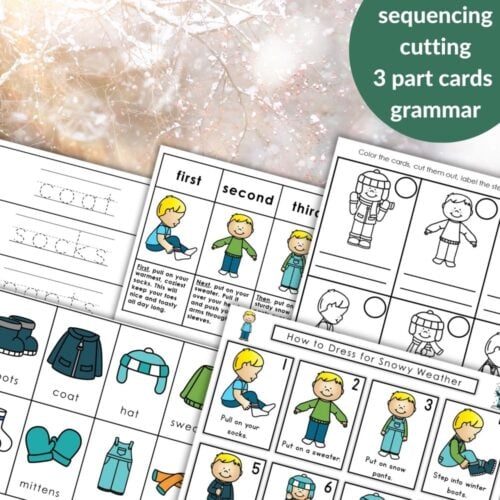
 How to Dress for Snowy Weather Practical Life Winter Sequencing Cards Blackline Master$3.10
 -
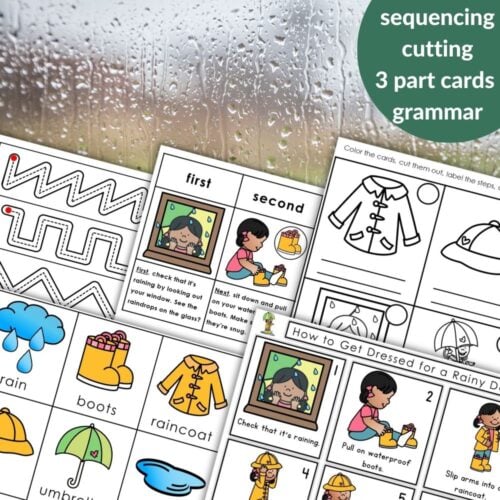
How to Get Dressed for a Rainy Day$3.10
-
How to Build a Snowman: Sequencing Grammar Fine Motor Activities$3.10
-
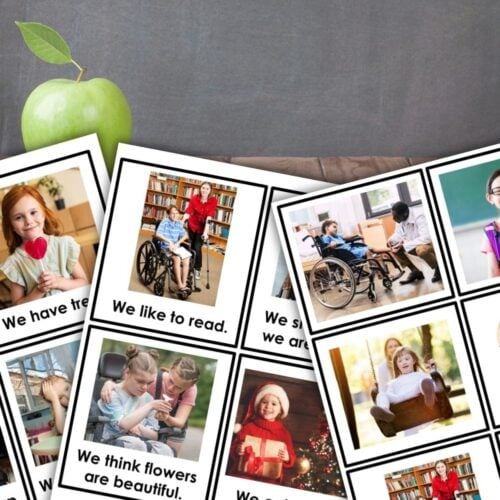
Diversity Picture Cards Student Booklet: Social Emotional Learning$3.10
-
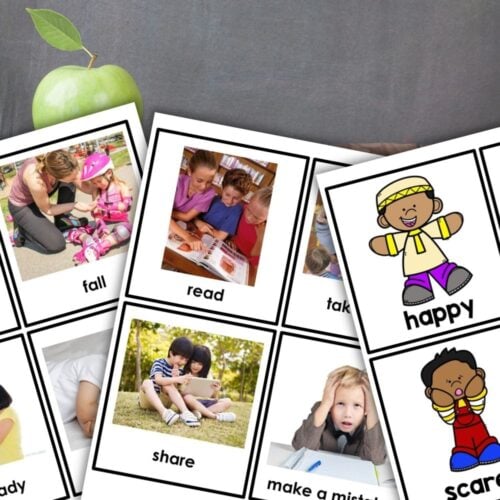
Social Emotional Learning: How I Feel Emotion Sort Worksheets$3.50

About Anastasia | Anastasia is an early childhood teacher with over twenty years of experience in Montessori classrooms and homeschooling. With a Master’s in Information Science, she blends education and information design to create clear, organized, research-backed resources. As founder of Montessori Nature, she develops evidence-based, nature-inspired printables that support holistic child development and foster curiosity, independence, and a love of learning. Explore more in her shop and Teachers Pay Teachers store.