The transition to school, whether it’s the first day of preschool or the return after a long break, can bring a mix of excitement and nervousness for young children. In an early childhood classroom, we approach this transition with intention, creating an environment that fosters security, independence, and community. Through meaningful traditions and purposeful routines, we help children settle into the rhythm of the classroom with confidence.

The Importance of a Smooth Transition
For children, the shift from home to school involves adapting to new expectations, faces, and routines. A well-structured transition period helps ease anxiety and allows children to feel safe and capable. Montessori classrooms emphasize predictability, respect for the child’s emotions, and opportunities for social connection—all of which contribute to a positive start to the school year.
Traditions That Welcome Children
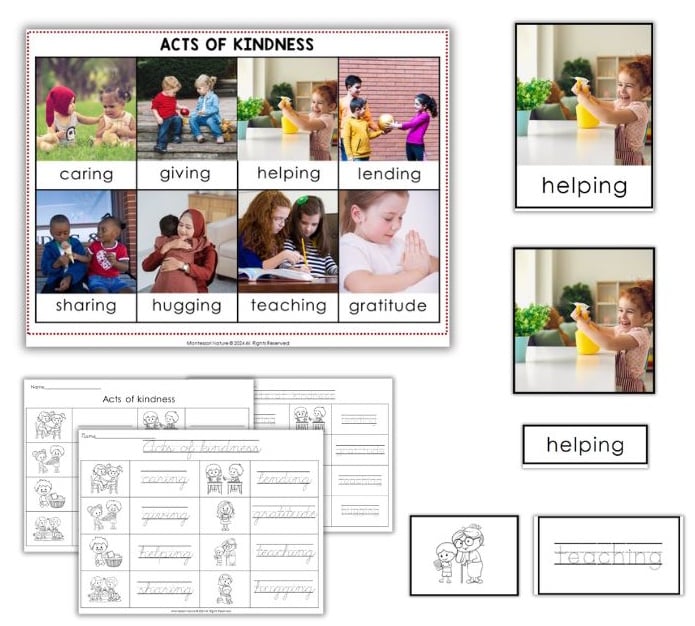

Early childhood classrooms incorporate unique rituals that build community and emotional awareness. These traditions are not just routines; they are foundational practices that teach grace, courtesy, and self-regulation.
The Morning Handshake
In many early childhood classrooms, the day begins with a handshake between the child and the teacher. This simple yet profound gesture serves multiple purposes:
It establishes a personal connection, making the child feel seen and valued.
It sets a tone of mutual respect and presence.
It provides a moment of calm before the child enters the busy classroom.
The handshake is often accompanied by eye contact and a warm greeting, such as, “Good morning, [child’s name]. I’m happy to see you today.” This ritual helps children transition from home to school mindfully.
The Peace Table
The Peace Table is a dedicated space in the classroom where children can go to resolve conflicts, take a quiet moment, or practice mindfulness. During the back-to-school period, teachers introduce this area as a safe place for emotions.
Children learn to use calming tools, such as a peace rose or a feelings chart, to express themselves.
They practice phrases like, “I feel upset when…” or “Can we talk about this?”
The Peace Table reinforces that conflicts can be resolved with kindness.
At the start of the year, teachers model how to use this space, ensuring children know it’s always available to them.
Mindful Breathing Exercises
Transition times—such as moving from outdoor play to group time—can be challenging for some children. Early childhood classrooms often incorporate simple breathing exercises to help children center themselves.
Before circle time, the teacher might guide children through “flower breaths” (pretending to smell a flower and blow out a candle).
These exercises are brief but powerful, teaching children how to self-regulate when they feel overwhelmed.
Over time, children learn to use these techniques independently when they need a moment of calm.
Sharing Kind Comments During Group Time
Group gatherings in an early childhood classroom often include a time for children to share appreciations or kind observations about one another. This practice:
Strengthens community bonds.
Encourages children to notice and verbalize positive behaviors.
Builds empathy and social awareness.
A teacher might say, “Let’s share one kind thing we noticed today.” Children respond with statements like, “I saw Liam help Emma tie her shoe,” or “Thank you for sitting next to me at lunch.” These small moments create a culture of kindness from the very first week.
Routines That Foster Independence
Predictable routines are key to making children feel secure.
The Arrival Routine
From the first day, children follow a clear sequence when they enter the classroom:
Hang up their backpack.
Change into indoor shoes (if applicable).
Greet the teacher with a handshake.
Choose their first activity from the shelves.
A visual “Getting Ready for School” sequence chart can support this routine, especially for younger children or those who need reminders.
Work Cycle Preparation
The uninterrupted work cycle is central to Montessori education. To help children transition into this period:
Teachers give gentle reminders about choosing work thoughtfully and returning materials to their place.
A soft chime or song may signal the start and end of the work cycle, providing auditory cues.
Transitions Between Activities
Moving from one activity to another can be tricky. Early childhood classrooms use strategies like:
Five-minute warnings before cleanup.
Visual schedules so children know what comes next.
Movement songs or fingerplays to regroup attention.
How Families Can Support the Transition
Parents and caregivers play a crucial role in making the back-to-school transition smoother. Teachers often suggest:
- Establishing consistent morning routines at home.
- Practicing self-help skills like putting on shoes or opening lunch containers.
- Talking positively about school while acknowledging any nervousness.
A Lasting Foundation
These traditions and routines do more than just ease the transition—they lay the groundwork for a child’s entire school experience. When children feel secure, respected, and capable, they are free to engage deeply in learning.
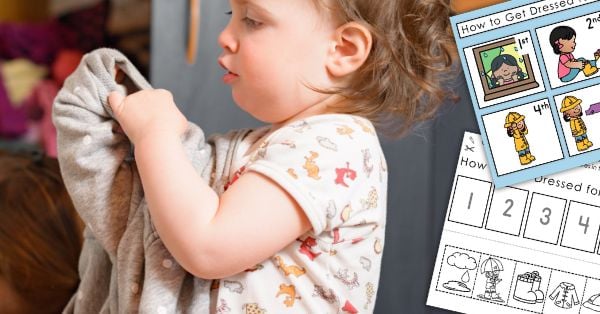
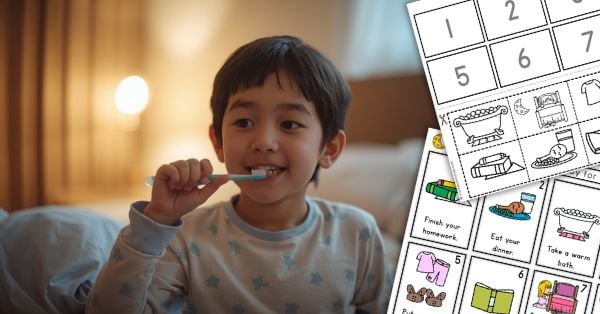
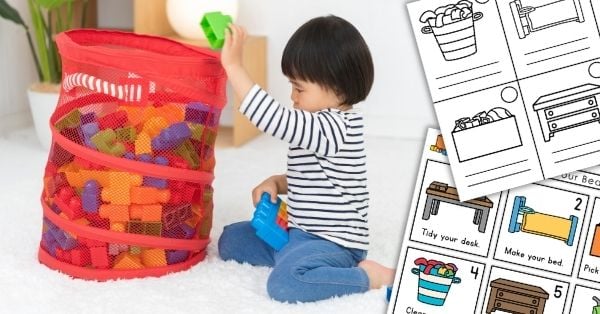
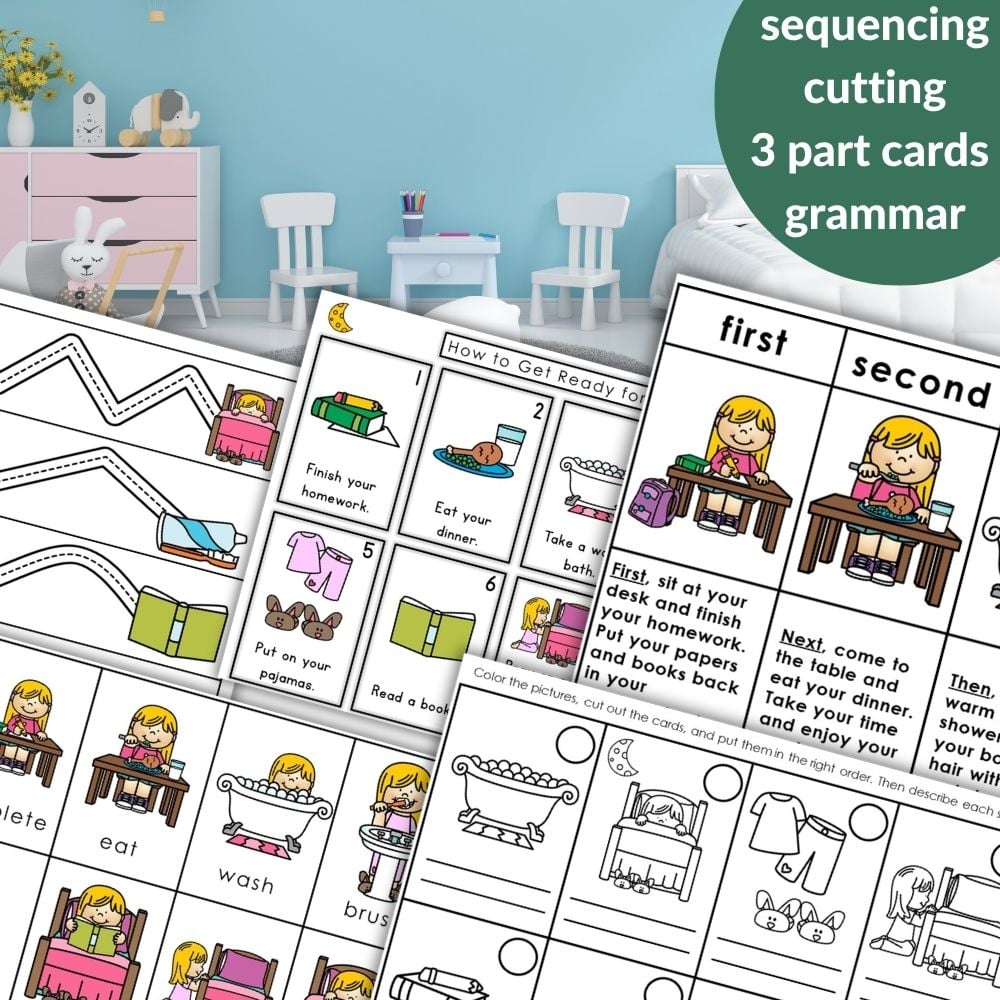
This Sequencing Printable for How to Get Ready for School offers a visual guide to help children prepare independently. With consistent practice and a supportive environment, the transition to school becomes not just manageable but joyful.
The Montessori approach reminds us that transitions aren’t just about getting through the door—they’re about nurturing the whole child, one mindful step at a time.
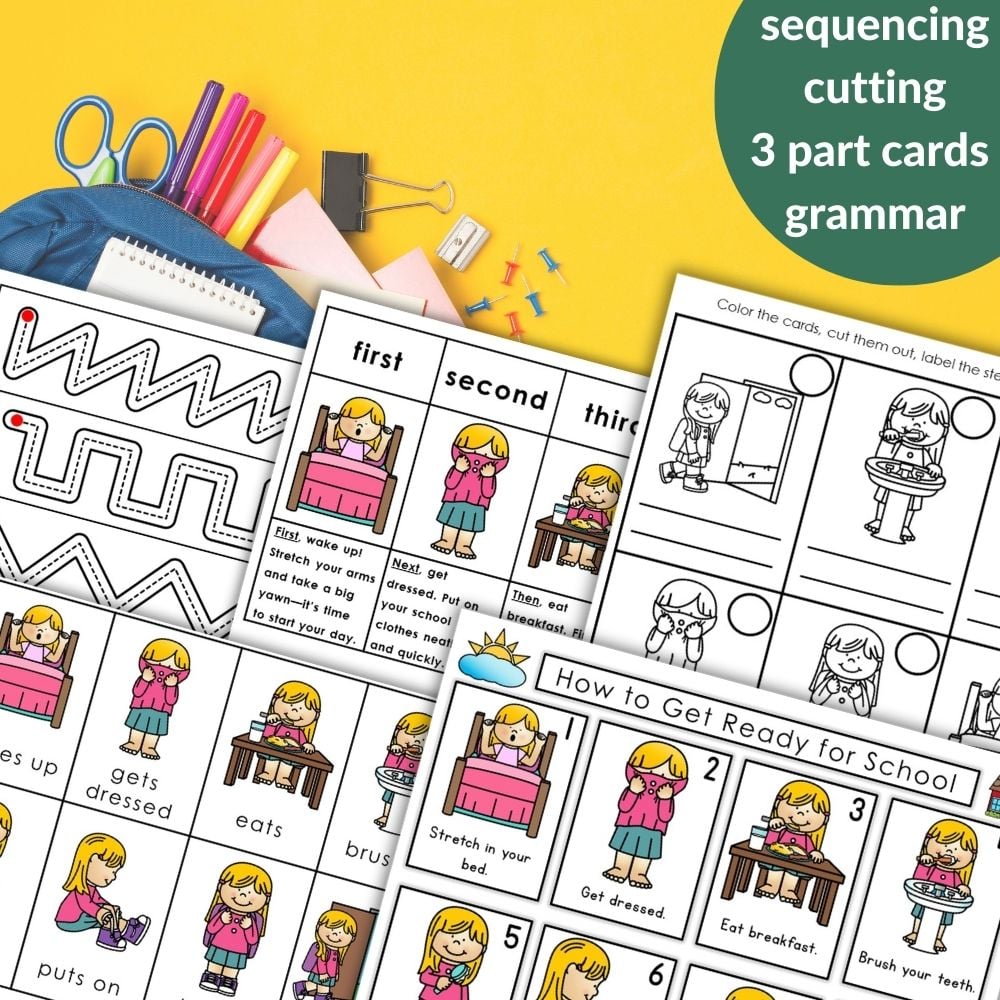
How to Get Ready for School Daily Routine
This How to Get Ready for School printable is designed for preschool, kindergarten, and first-third grade students, offering hands-on activities to teach essential morning routines. This engaging resource includes sequencing cards, number matching, student books, cutting strips, 3-part verb cards, tracing strips, and parts of speech sorting—perfect for reinforcing independence while developing fine motor skills, literacy, and sequencing comprehension.
Recommended products
-

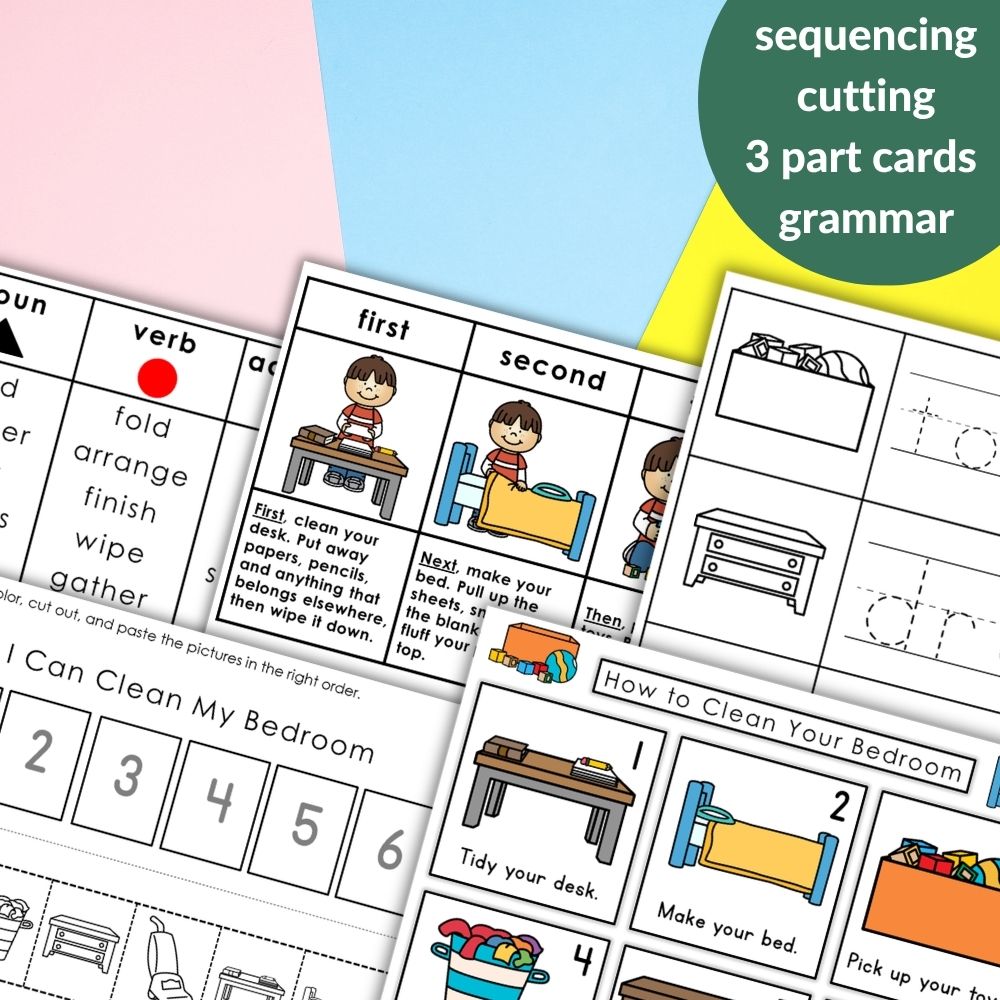
How to Clean Your Bedroom Daily Chores Sequencing Cards
$3.60 -
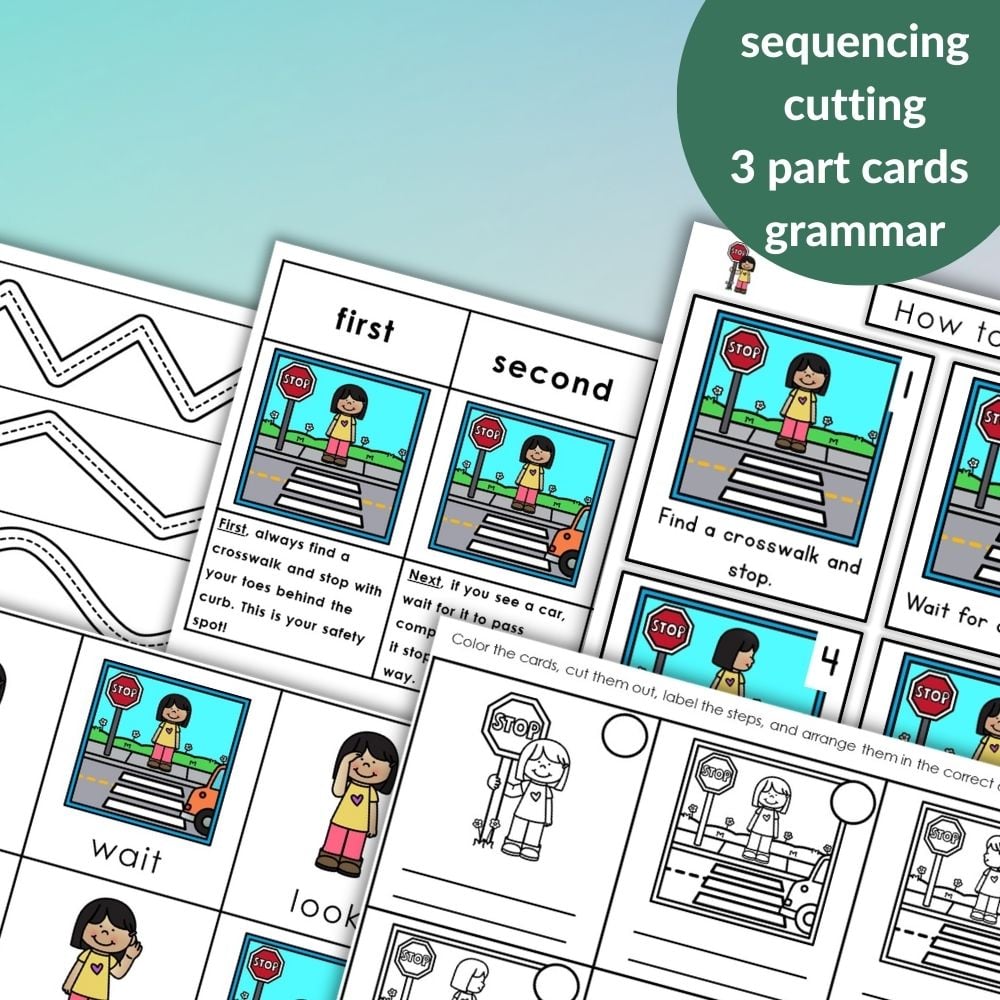
How to Cross the Street Safety Activities
$3.10 -
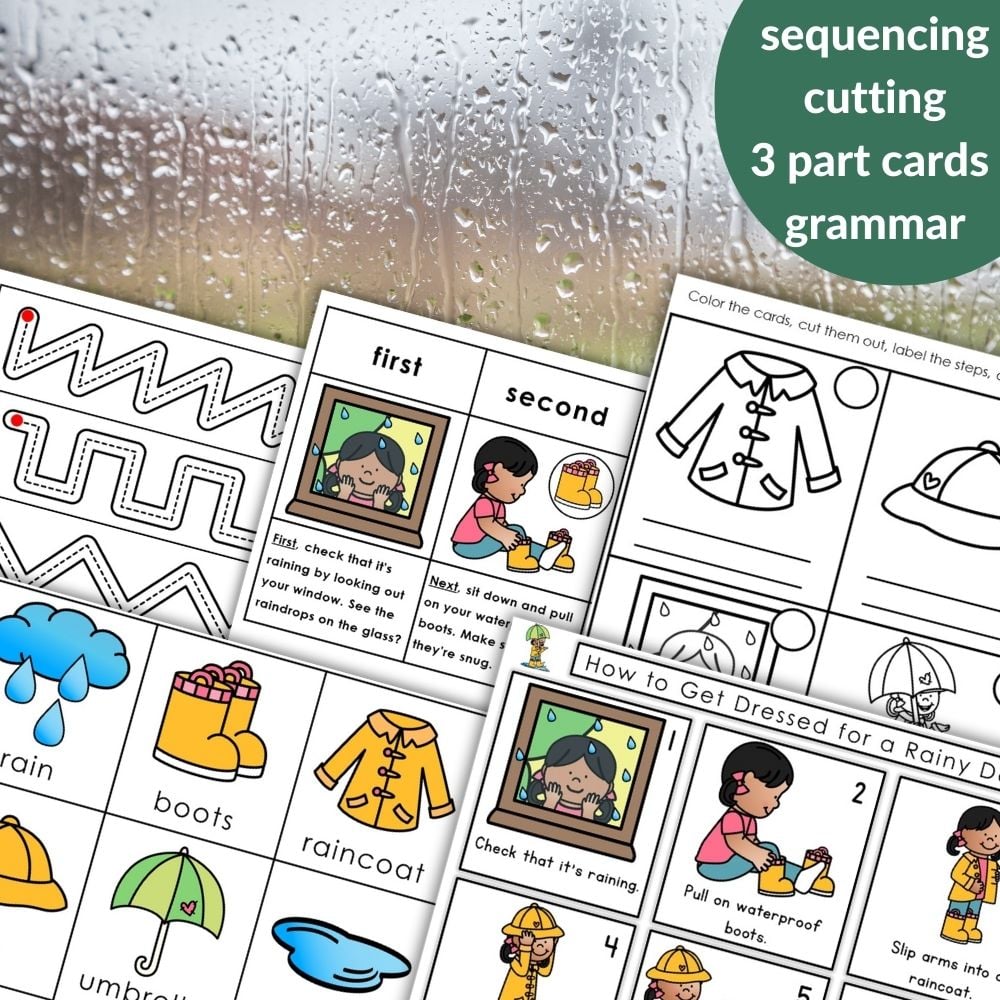
How to Get Dressed for a Rainy Day
$3.10 -
How to Get Ready for Bed Daily Routine Sequencing Cards
$3.60 -
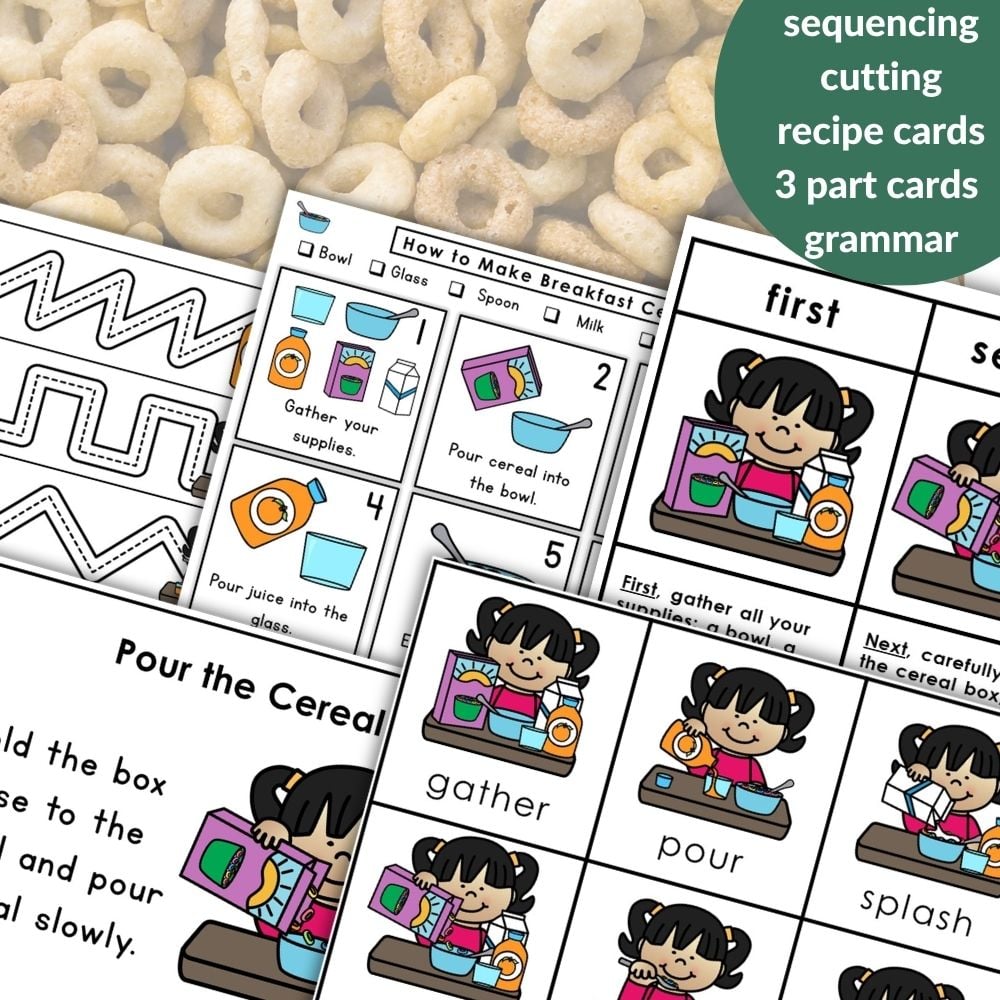
How to Make Breakfast Cereal
$4.50 -
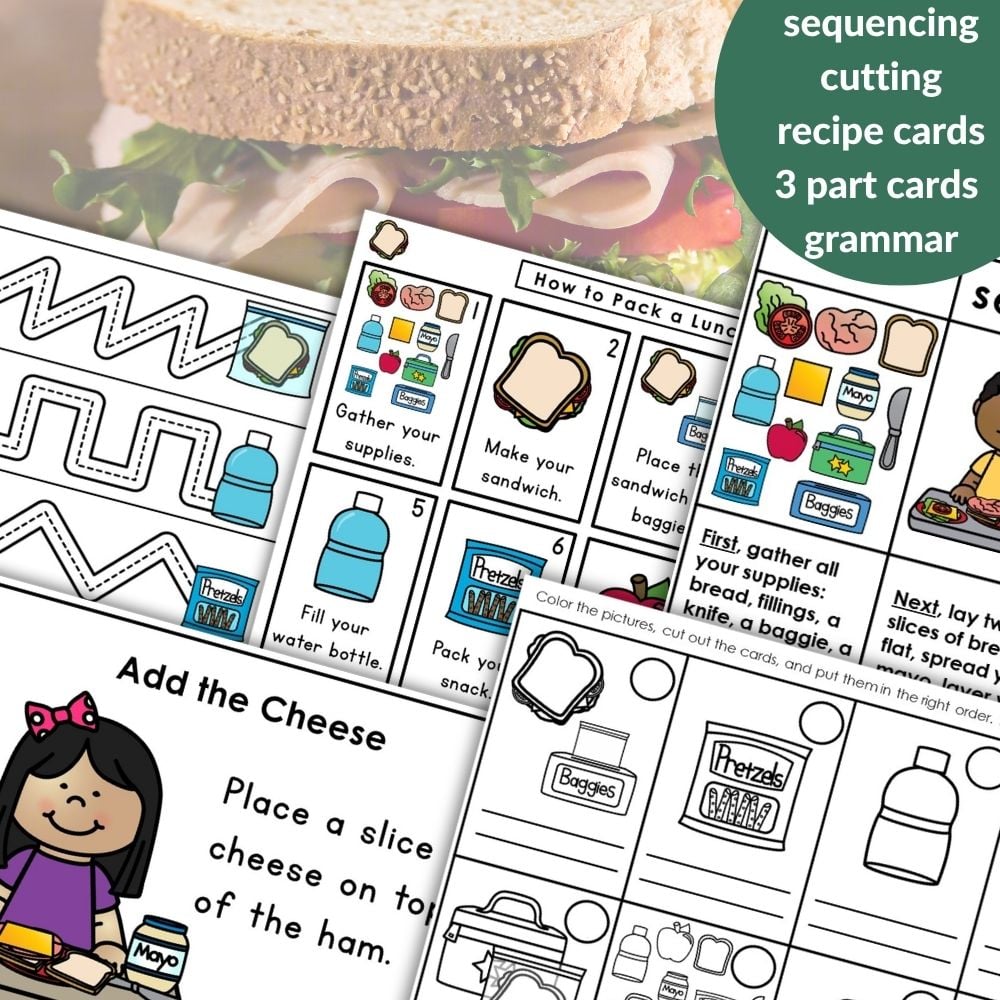
How to Make and Pack a Sandwich Lunch Daily Routine Chores
$4.60
About Anastasia | Anastasia is an early childhood teacher with over twenty years of experience in Montessori classrooms and homeschooling. With a Master’s in Information Science, she blends education and information design to create clear, organized, research-backed resources. As founder of Montessori Nature, she develops evidence-based, nature-inspired printables that support holistic child development and foster curiosity, independence, and a love of learning. Explore more in her shop and Teachers Pay Teachers store.