A calm, consistent bedtime routine is one of the most valuable gifts you can give a child. It signals that the day is ending, provides a sense of security, and builds the executive functioning skills that support learning and behavior. For parents and educators seeking practical strategies for daily chores, evening routines, and independent living skills, a thoughtful approach to bedtime creates lasting benefits. When children learn to manage their own bedtime preparation—brushing teeth, changing into pajamas, tidying the room, and settling down with a book—they develop responsibility, self-regulation, and the confidence that comes from knowing what comes next.
Why Bedtime Routines Matter
Children thrive on predictability. When they know what to expect, they feel safe. When they feel safe, they can relax. When they relax, they sleep better. A consistent bedtime routine does more than just get a child into bed. It teaches them how to transition from the busyness of the day to the quiet of the night.
Without a routine, evenings can become a series of negotiations and power struggles. With a routine, everyone knows what comes next. The child brushes teeth because that is what happens after pajamas. They choose a book because that is what happens after teeth. The sequence carries them forward without constant reminders or arguments.

What Are Executive Functioning Skills?
Executive functioning skills are the mental processes that enable us to plan, focus, remember instructions, and manage multiple tasks. They are the brain’s management system. For young children, these skills are still developing, and bedtime routines offer perfect practice opportunities.
Key executive functioning skills include:
Working memory – Holding information in mind while completing a task. A child uses working memory when they remember to put on pajamas, brush teeth, and then get a drink of water without being reminded of each step.
Inhibitory control – The ability to stop oneself from acting on impulse. A child uses inhibitory control when they resist the urge to start playing with toys and instead continue with the bedtime sequence.
Cognitive flexibility – The ability to switch between different tasks or thoughts. A child uses cognitive flexibility when they move from toothbrushing to pajama changing to story reading, shifting focus with each transition.
Task initiation – The ability to begin a task without excessive delay. A child uses task initiation when they head to the bathroom to brush teeth without needing repeated prompts.
Planning and prioritization – The ability to decide what needs to be done first, second, and third. A child uses planning when they know they must change into pajamas before brushing teeth, not after.
Bedtime routines strengthen all of these skills. Each night, the child practices remembering the sequence, resisting distractions, shifting between tasks, starting tasks independently, and understanding the logical order of events.
How to Encourage Children to Follow a Bedtime Routine
Encouraging children to follow a routine requires patience, consistency, and the right tools. Here are practical strategies that work.
Start with a visual schedule
Young children process pictures more easily than words. A simple chart showing each step of the bedtime routine gives them a clear roadmap. Include images for putting on pajamas, brushing teeth, using the toilet, washing face, getting a drink of water, choosing a book, and getting into bed. The child can move a marker or check off each step as they complete it.
Use the same sequence every night
Predictability is the foundation of routine. Do the same things in the same order every evening. The child comes to anticipate what comes next, which reduces resistance and builds independence.
Build in warnings before transitions
Young children struggle with abrupt changes. Give five-minute and two-minute warnings before the bedtime routine begins. “In five minutes, we will start getting ready for bed.” This respects their need to finish what they are doing and prepares their brain for the shift.
Make it collaborative, not coercive
Involve the child in creating the routine. Ask them what they want to include. “What do we need to do before bed? Should we read one book or two?” When children have input, they feel ownership and are more likely to cooperate.
Use a timer for each step
For children who dawdle, timers create gentle boundaries. “Let’s see if you can brush your teeth before the timer rings.” The timer is an objective cue, not a nagging adult.
Create a calm environment
Dim the lights thirty minutes before bedtime. Turn off screens. Lower your voice. The environment itself signals that the day is winding down.
Be consistent even on weekends
Consistency is more important than intensity. A shorter routine followed every night is more effective than a longer routine followed only some nights. Even on weekends, maintain the basic structure.
An Age Guide for Bedtime Routines
Children develop at different rates, but here is a general guide for what to expect at each stage.
Ages 2 to 3
At this age, the adult leads most of the routine while the child participates.
Adult helps with pajamas and toothbrushing
Child chooses a book
Adult reads while child listens
Child learns to stay in bed after tucking in
The goal is establishing the sequence, not independence.
Ages 4 to 5
Preschoolers can take on more responsibility with visual supports.
Child puts on pajamas with minimal help
Child brushes teeth with supervision
Child uses the toilet independently
Child chooses and puts away one toy or book
Child gets into bed and waits for a story
A picture chart helps them follow the steps without constant reminders.
Ages 6 to 8
Early elementary children are ready for more independent routines.
Child completes the entire sequence with a checklist
Child brushes teeth thoroughly with occasional supervision
Child lays out clothes for the next day
Child packs their school bag
Child reads independently before lights out
At this stage, children can manage most of the routine themselves with a visual reminder posted in the bathroom or bedroom.
Ages 9 to 11
Older children can take full ownership of their bedtime routine.
Child manages the entire sequence independently
Child sets their own alarm or reminder
Child regulates their own wind-down time
Child identifies when they are tired and begins the routine without prompting
Parents shift to a monitoring role, checking in occasionally rather than directing each step.
Here is a simple, effective sequence that works for many families.
Thirty minutes before bedtime:
Turn off screens
Dim lights
Begin quiet activities
Fifteen minutes before bedtime:
Give a five-minute warning
Child finishes current activity
Parent and child tidy the living area together
Bedtime routine begins:
Child uses the toilet
Child washes face and hands
Child brushes teeth
Child changes into pajamas
Child gets a drink of water
Child chooses one or two books
In the bedroom:
Parent and child read together
Child says goodnight to toys or stuffed animals
Child gets into bed
Parent tucks child in
Lights out
The entire sequence takes about twenty to thirty minutes. The key is doing it in the same order every night.
Common Challenges and Solutions
Resistance to starting
Give warnings before transitions. Use a visual timer so the child can see how much time remains before the routine begins. Offer limited choices. “Do you want to put on your pajamas first or brush your teeth first?”
Dawdling during steps
Use a timer for each step. Make it a game. “Can you finish brushing your teeth before the sand runs out?” Break large tasks into smaller ones. “First put on your shirt. Now your pants. Now your socks.”
Getting out of bed after tucking in
Be consistent about returning the child to bed without conversation or stimulation. The first time, say “It is time to sleep. Goodnight.” The second time, return them without speaking. Over several nights, the behavior usually extinguishes.
Anxiety about sleeping
Validate the feeling without giving in to demands that extend the routine. “I know you feel worried. We will check on you in five minutes.” Then follow through. A small nightlight or a favorite stuffed animal can provide comfort.
Supporting the Process with the How to Get Ready for Bed Printable
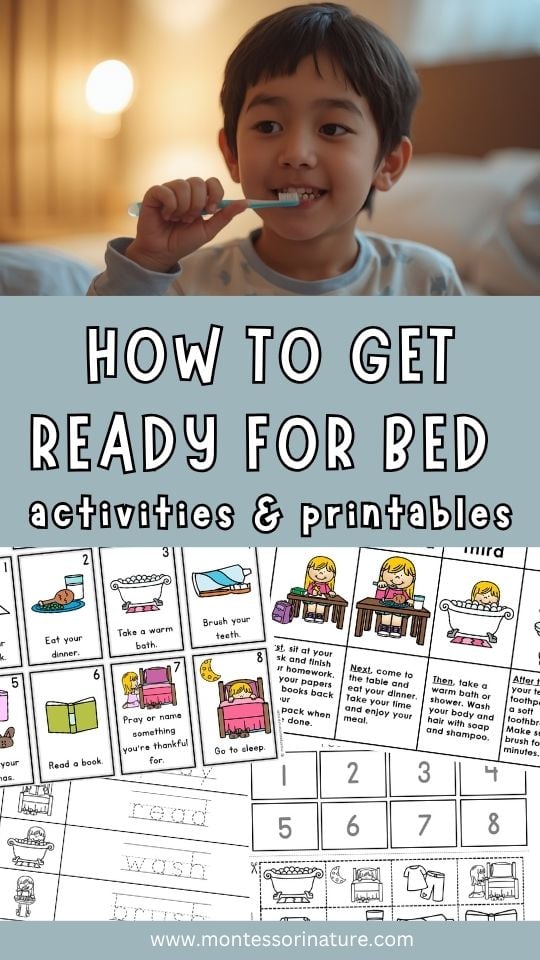
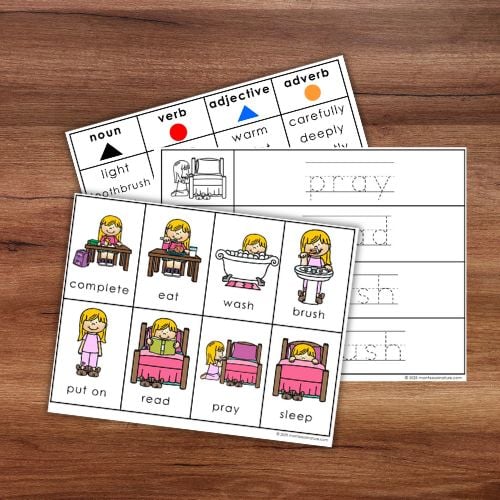
The three-part vocabulary cards introduce bedtime items through picture-word matching. Children learn the names of objects in their routine, building the precise language that supports independence.
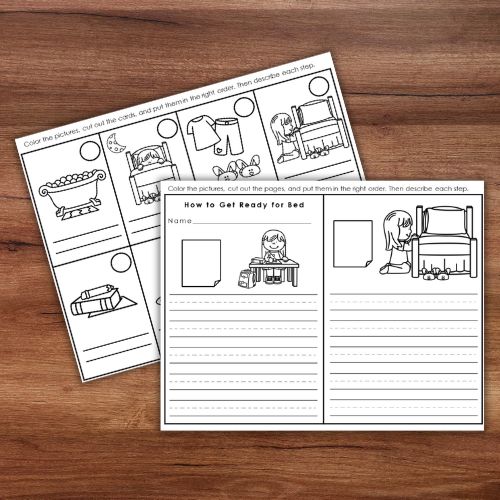
The “I Can Get Ready for Bed” mini-book provides a take-home guide children can color, assemble, and reference during their evening routine. This personalized resource becomes a tool for independence and a tangible record of their growing capability.
What Children Gain
The child who learns to manage their own bedtime routine gains more than a peaceful evening. They gain the executive functioning skills that support academic success. They learn to plan, sequence, and shift between tasks. They develop the inhibitory control to resist distractions and the task initiation to start without procrastination.
They learn that they are capable of managing themselves. This confidence spills into other areas—morning routines, homework habits, social interactions.
And they gain something else. They gain the security of a predictable ending to each day. They know what comes next. They can relax into the familiar sequence. They fall asleep feeling safe, capable, and ready for tomorrow.
Getting Started
Begin with one small change. Perhaps it is a picture chart taped to the bathroom mirror. Perhaps it is a five-minute warning before the routine begins. Perhaps it is doing the same three steps in the same order every night.
Let the routine grow slowly. Add steps as the child masters existing ones. Celebrate progress rather than perfection.
And when the child brushes their teeth without being reminded, or puts on their pajamas before you ask, or climbs into bed with a book and waits—pause and notice. They are building something important. They are learning to manage themselves, one bedtime at a time.
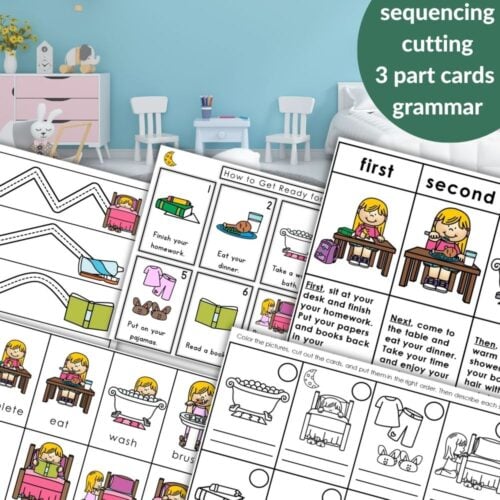
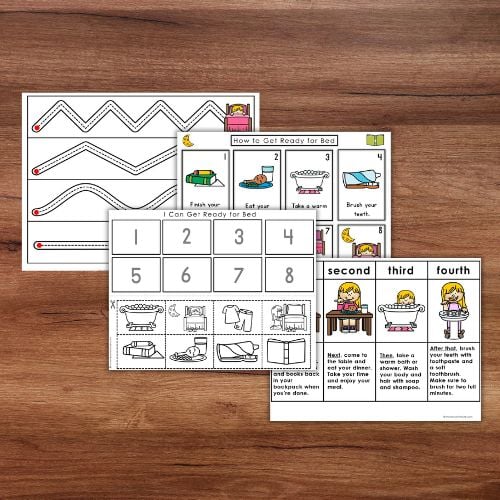
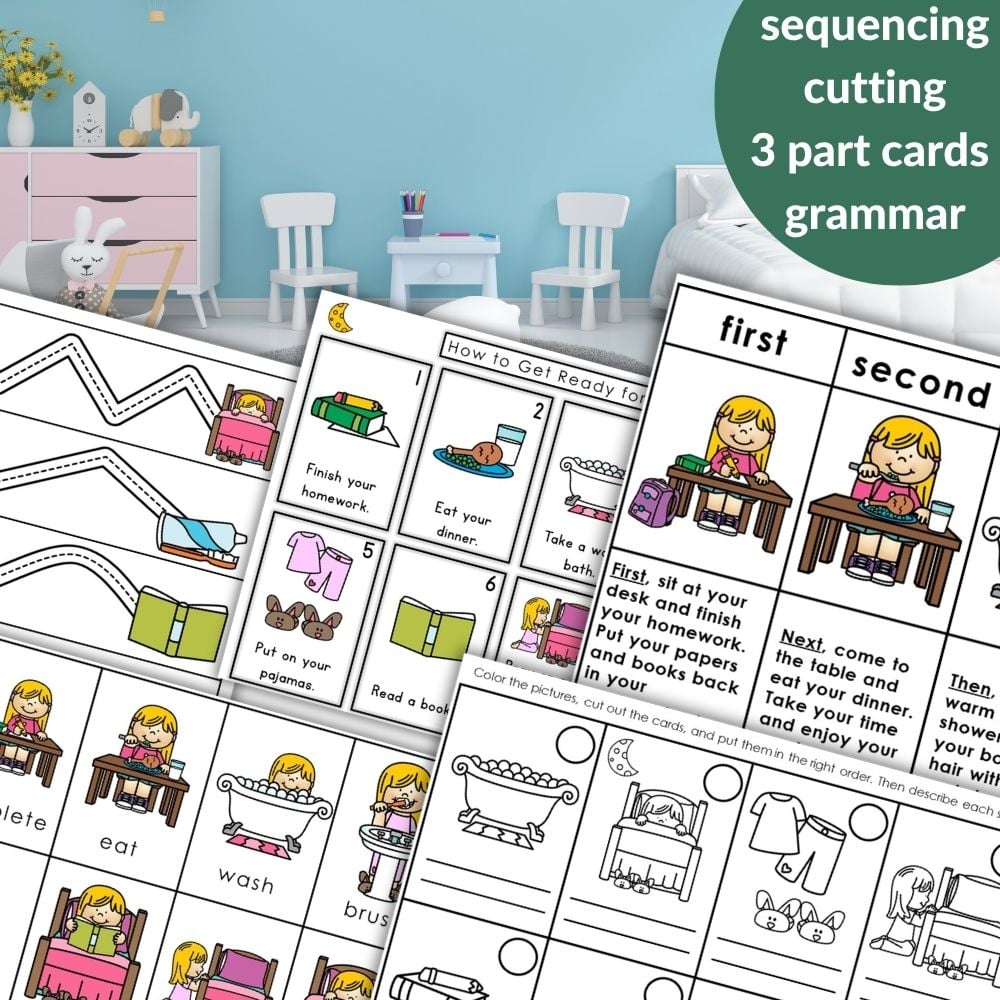
How to Get Ready for Bed Daily Routine Sequencing Cards
This How to Get Ready for Bed printable provides structured activities for teaching bedtime routines, sequencing, and independence. Designed for Kindergarten through Grade 3, the materials break down the evening routine into clear steps while integrating fine motor practice and vocabulary development. Ideal for life skills instruction, daily routines units, and family use.
You Might Also Enjoy
-
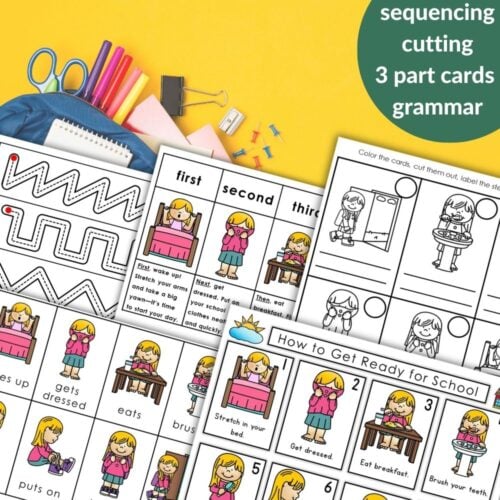
 How to Get Ready for School Daily Routine$3.10
 -
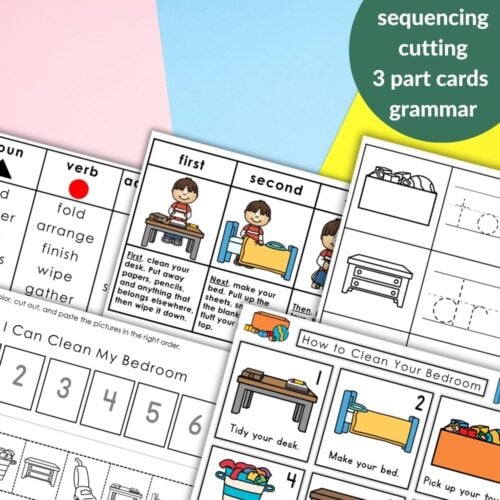
How to Clean Your Bedroom Daily Chores Sequencing Cards$3.60
-
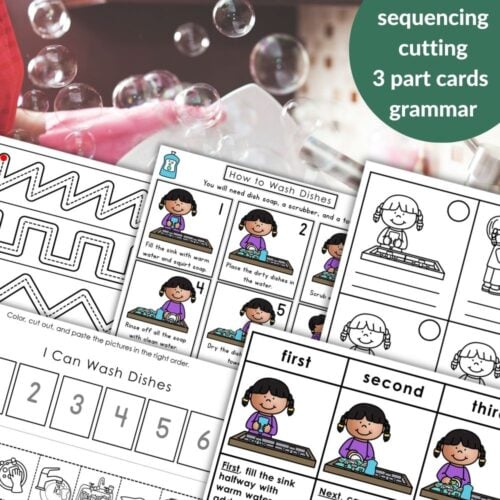
How to Wash Dishes Practical Life Daily Chores Sequencing Cards$3.60
-
How to Set the Table Practical Life Daily Routine Sequencing Cards$4.05
-
How to Cross the Street Safety Activities$3.10
-
How to Wash Your Hands Hygiene$3.10

About Anastasia | Anastasia is an early childhood teacher with over twenty years of experience in Montessori classrooms and homeschooling. With a Master’s in Information Science, she blends education and information design to create clear, organized, research-backed resources. As founder of Montessori Nature, she develops evidence-based, nature-inspired printables that support holistic child development and foster curiosity, independence, and a love of learning. Explore more in her shop and Teachers Pay Teachers store.