Teach children how to run a safe lemonade stand with this homemade recipe and sequencing activity, complete with tips on healthy sweetener alternatives for summer learning. This lemonade stand printable includes step-by-step recipe cards and Montessori-inspired sequencing activities that help children follow a logical process from start to finish. Whether you are planning a cooking unit, a practical life lesson, or simply a warm afternoon making something together, this guide offers healthy sweetener options and safety tips to ensure a positive experience. Just lemons, water, a child with a pitcher, and the quiet pride of saying, “I made this myself.”
There is a certain magic to a lemonade stand. It appears on a sunny sidewalk, often slightly crooked, with a hand-painted sign and a pitcher that may or may not have ice. The lemons are unevenly sliced. The cups are mismatched. And the child behind the table is learning something that no worksheet can teach.
Running a lemonade stand is a rite of summer. It is also, if you look closely, a complete education compressed into an afternoon. A child practices counting money and making change. They learn to greet customers with a smile and thank them for their business. They measure, pour, and stir. They take pride in something they made themselves and offer it to the world. For a few hours, they are not just a child. They are a business owner, a host, a contributor to their community.
For families and classrooms looking to turn this summer tradition into a richer learning experience, making lemonade from scratch is the place to begin. The process is simple enough for young hands but layered enough to teach real skills.

The Simple Art of Making Lemonade from Scratch
The classic recipe is almost impossibly simple. Fresh lemons, water, and a sweetener. That is it. But within that simplicity lies room for a child to learn about measurement, following a sequence, and the satisfying transformation of sour and sweet into something perfectly balanced.
To make a basic pitcher of lemonade, a child can:
- Roll firm lemons on the counter with the palm of their hand. This softens them and makes juicing easier.
- Cut the lemons in half with a child-safe knife under close supervision.
- Squeeze the juice into a measuring cup. A hand juicer or a simple fork helps extract every drop.
- Measure one part lemon juice to one-half part sugar to eight parts water. For a two-cup batch, that means 1/4 cup of lemon juice (about two medium lemons), three to four tablespoons of sugar, and two cups of water, with a small amount of warm water reserved to dissolve the sugar first.
- Stir everything together in a pitcher until the sweetener dissolves.
- Taste and adjust. More water if it is too strong. More sweetener if it is too tart.
- Add ice and slices of lemon to the pitcher for a beautiful presentation.
Each step offers a chance for a child to practice focus, patience, and attention to detail. The first batch may be too sour. The second, too sweet. By the third, something clicks. The child has learned that cooking is a process of adjustment and care, not just following rules.
A Note on Sweeteners for Families Who Want Healthier Options
Traditional lemonade calls for white sugar. It dissolves easily, tastes clean, and has been used for generations. For families looking for alternatives, there are several paths, each with its own considerations.
Maple syrup dissolves beautifully in cold liquids and adds a warm, complex flavor. It contains minerals like manganese and zinc, though it is still a form of sugar and should be used in moderation.
Honey offers a floral sweetness and has been valued for its antimicrobial properties. It is important to note that honey should never be given to children under one year of age due to the risk of infant botulism. For older children, it is a flavorful option.
Coconut sugar has a lower glycemic index than white sugar and adds a caramel-like taste. It does not dissolve as easily, so it works best when warmed slightly with a little water first.
Stevia has become popular as a zero-calorie sweetener derived from a plant. Some families choose it to avoid refined sugar. However, there is ongoing research into its effects on the body, including concerns about its impact on fertility with long-term, high-dose use. While occasional use in small amounts is unlikely to cause problems for most people, it may not be the best choice for growing children whose bodies are still developing.
Monk fruit sweetener is another plant-derived option. It is often blended with other ingredients like erythritol to achieve a texture similar to sugar. The sweetener itself comes from a small melon native to Asia, but the additives in many commercial blends can cause digestive discomfort in some children. Pure monk fruit extract is extremely concentrated and difficult to use in home lemonade without careful measurement.
For many families, the simplest path is also the most traditional. A small amount of real maple syrup, honey for older children, or even organic cane sugar is familiar, well-understood, and perfectly fine as part of a balanced summer treat. The lemonade stand is not an everyday occurrence. It is a special event. And special events can include foods that are not part of the daily routine.
Setting Up a Lemonade Stand Safely
Lemonade stands exist in a somewhat fuzzy area of American law. In many places, they are celebrated as a childhood tradition. In some towns, they have been shut down for lacking permits. A little advance planning helps ensure a happy experience.
- Check local regulations. A quick call to city hall or a search online for “lemonade stand rules” in your town can prevent surprises. Many places have specific allowances for children’s temporary stands.
- Choose a safe location. A driveway, a sidewalk in front of your home, or a neighborhood park during a community event are good options. Avoid busy streets, corners where drivers might not see children, and private property that is not your own.
- Keep the stand small and simple. A folding table, a hand-painted sign, and a cooler or pitcher are plenty. The charm of a lemonade stand is its homemade quality, not its scale.
- Handle food safely. Keep the lemonade cold. Use a cooler with ice if the stand will run for more than an hour. Wash hands before squeezing lemons and pouring drinks. Do not reuse cups between customers.
- Set clear boundaries with the child. The child should stay behind the table. They should not approach cars or chase after customers. An adult should be nearby, preferably sitting within sight of the stand, ready to help with change, difficult customers, or unexpected situations.
- Consider pricing. A quarter or fifty cents per cup is traditional and low enough that neighbors will buy a cup just to encourage the child. If the child wants to learn about profit, help them calculate the cost of lemons, sugar, and cups, then set a price that covers expenses and leaves a small margin.
Other Fun Ways to Connect Through Summer Activities
The lemonade stand is one of many simple summer traditions that invite connection between children and the adults who love them. Here are a few others that offer the same unhurried togetherness.
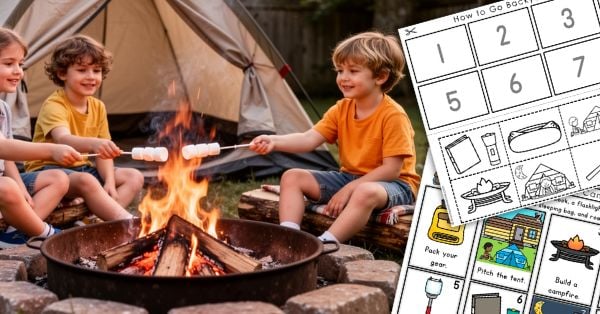
A backyard campout. Pitch a tent, make popcorn, and tell stories by flashlight. The child learns that adventure can happen close to home.
A garden harvest. Plant a few easy vegetables like cherry tomatoes or snap peas. The child waters, watches, and finally picks food they grew themselves.
A homemade popsicle day. Blend fruit and a little juice, pour into molds, and wait impatiently for the freezer to work its magic. The child learns that patience yields sweetness.
A neighborhood walk with a purpose. Collect interesting rocks, identify birds, or count mailboxes. The child learns that ordinary streets hold small wonders.
A shared reading of a long book. A chapter each afternoon, on a blanket under a tree. The child learns that stories are better when shared.
Supporting the Learning with a Recipe Printable
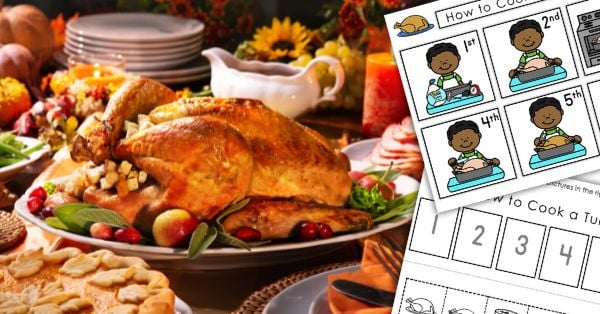
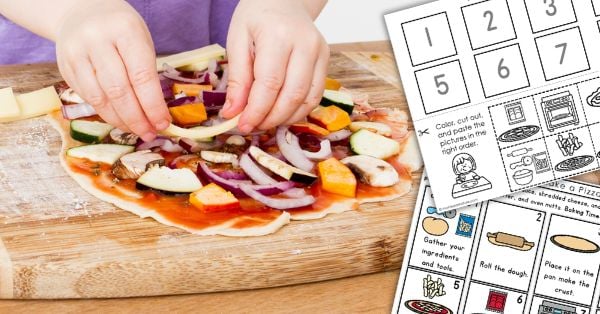
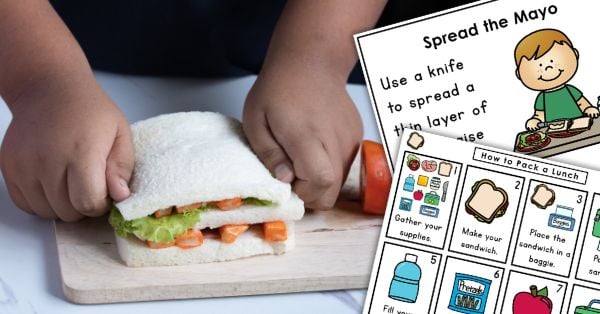
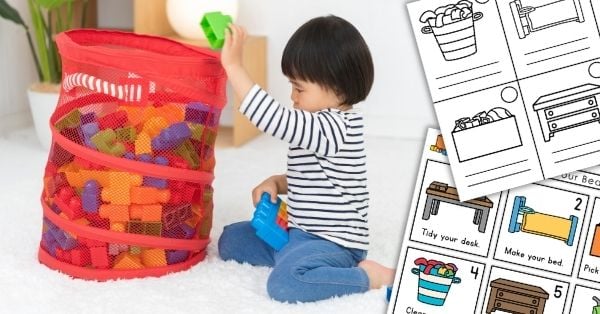
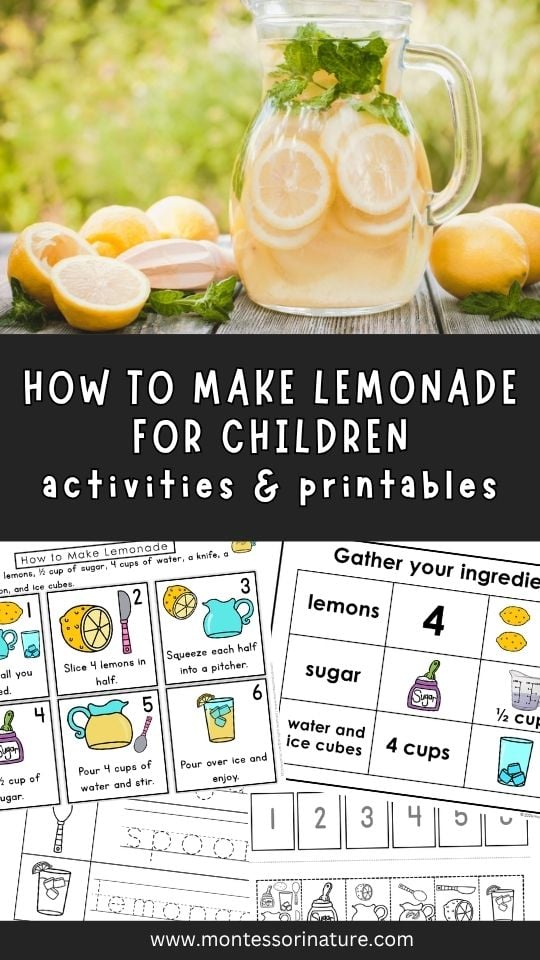
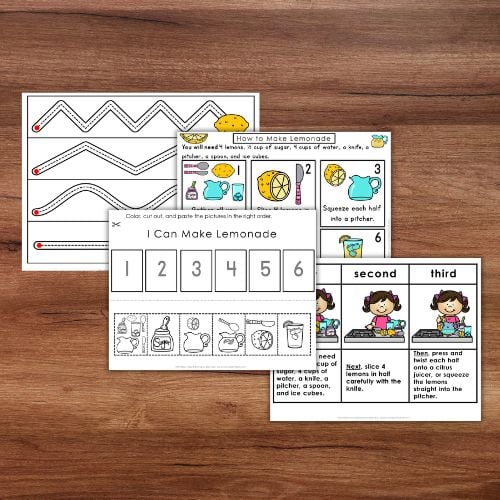
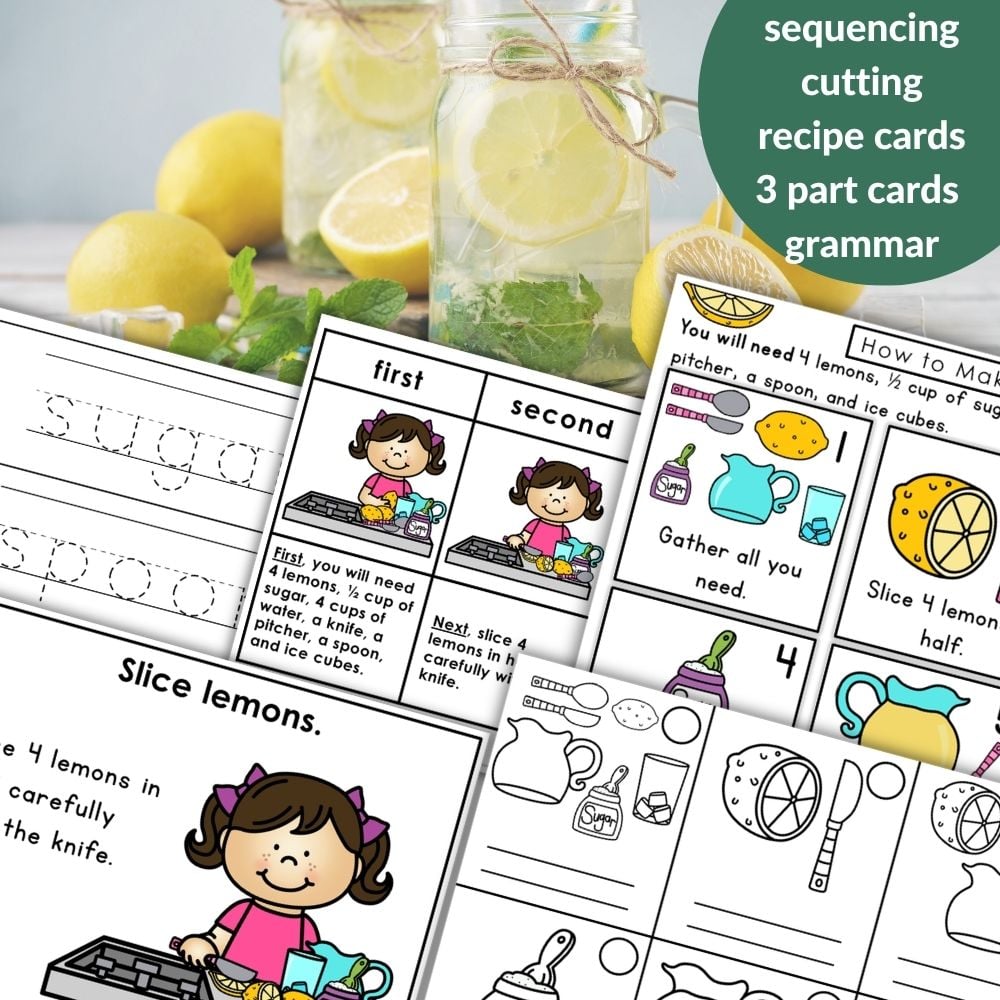
For families and classrooms that want to extend the lemonade experience beyond the kitchen, a structured visual guide can help a child internalize the sequence and build related skills. Our “How to Make Lemonade” printable breaks down the process into clear, illustrated steps that a child can follow with growing independence.
The sequence cards show each stage of lemonade making, from rolling the lemons to pouring the finished drink. A child can arrange the cards in order, talking through what comes first, next, and last. This simple activity builds procedural thinking that helps with reading comprehension, math problem solving, and planning any multi-step task.
The vocabulary cards introduce words like lemon, pitcher, stir, and serve through picture matching. A child learns the names of the tools they hold, building precise language that supports confident communication in the kitchen and beyond.
The cutting and tracing strips develop fine motor control. The hands that learn to cut along a curved line and trace the word “squeeze” are the same hands that will learn to write clearly. The connection between the kitchen counter and the classroom desk is closer than it seems.
The parts of speech sorting activity invites older children to categorize lemonade words into nouns, verbs, and adjectives. This connects a practical cooking activity to grammar learning in a way that feels natural rather than forced. A child who knows that “pour” is an action and “sweet” is a description has internalized grammar through experience, not worksheets.
The blackline versions let a child color and personalize their own materials, creating a sense of ownership over the learning. The self-checking poster allows them to verify their sequencing work independently, building the quiet confidence that comes from knowing they are right.
The lemonade will be drunk. The ice will melt. The hand-painted sign will eventually curl at the edges and be tucked into a box of keepsakes. But what the child learned on that sunny afternoon stays.
They learned that they can make something from scratch and offer it to others. They learned that work can be joyful. They learned that a dollar in quarters feels different from a dollar on a screen. They learned that their effort matters to the people around them.
And the adult who sat nearby, watching customers smile at a slightly wobbly table and a child who counted change with fierce concentration—that adult learned something too. They learned that the best summer days are not the ones filled with elaborate plans. They are the ones where a child sets up a lemonade stand, and the world stops for a moment to buy a cup.
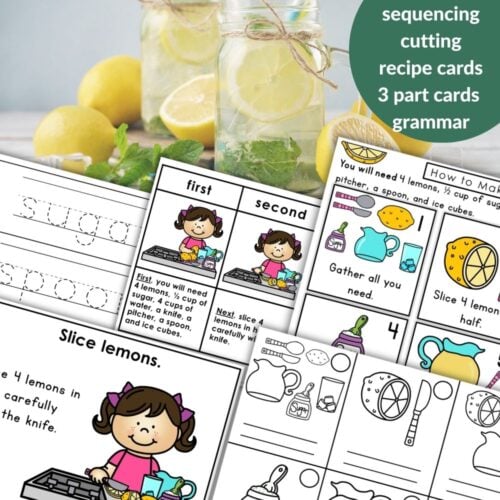
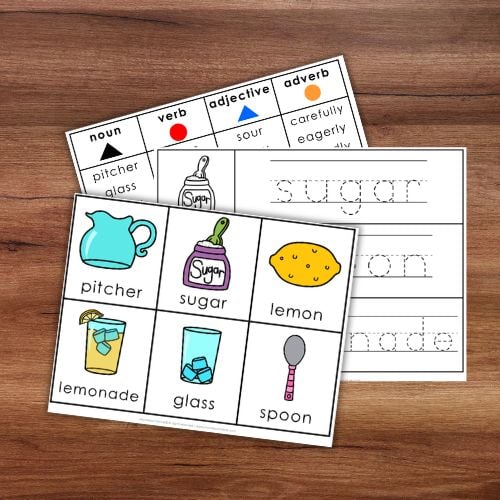
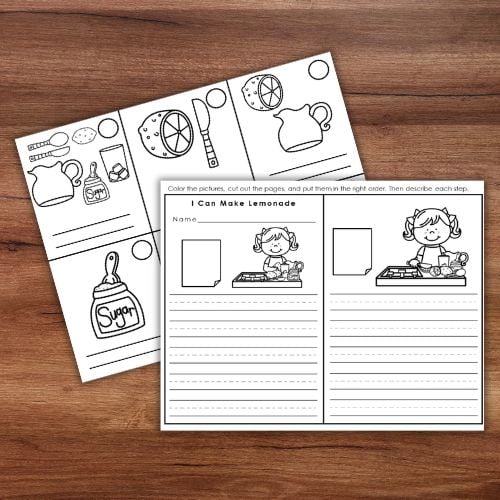
How to Make Lemonade Recipe Sequencing Cards
This How to Make Lemonade printable teaches children how to make lemonade while building foundational sequencing, vocabulary, and fine motor skills. Perfect for Summer Learning, End-of-Year Celebrations, and Food Units, use it year after year as a hands-on supplement to cooking activities, seasonal lessons, or practical life routines. Whether exploring states of matter, running a pretend lemonade stand, or simply enjoying a sunny day activity, these materials help children build confidence in the kitchen while developing essential academic skills.
This printable is also available on TPT
You Might Also Enjoy
-
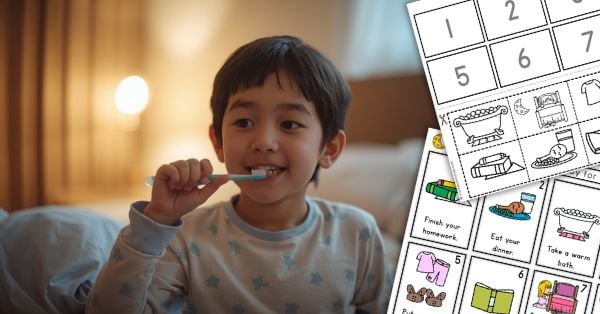
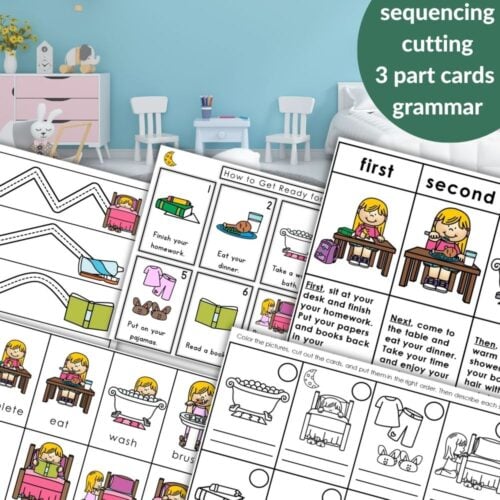
 How to Get Ready for Bed Daily Routine Sequencing Cards$3.60
 -
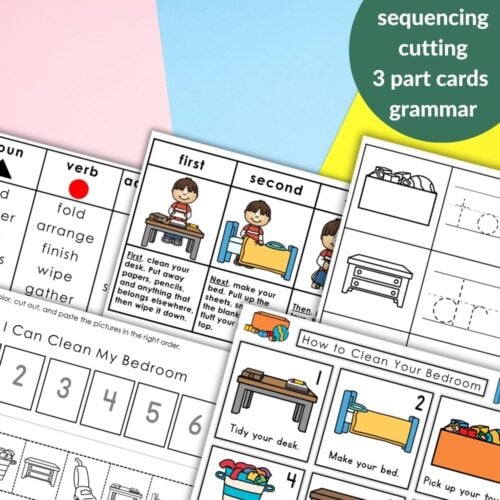
How to Clean Your Bedroom Daily Chores Sequencing Cards$3.60
-
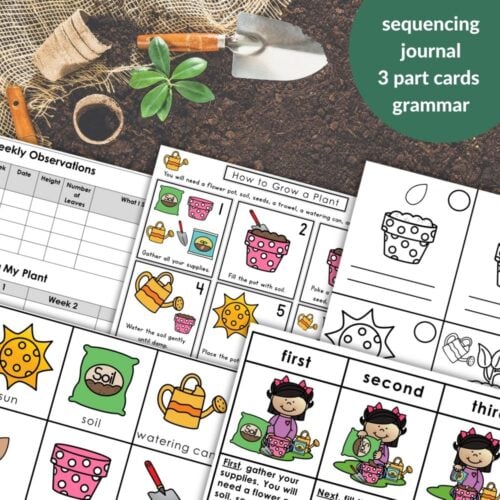
How to Grow a Plant Spring Summer Gardening Sequencing Cards$3.90
-
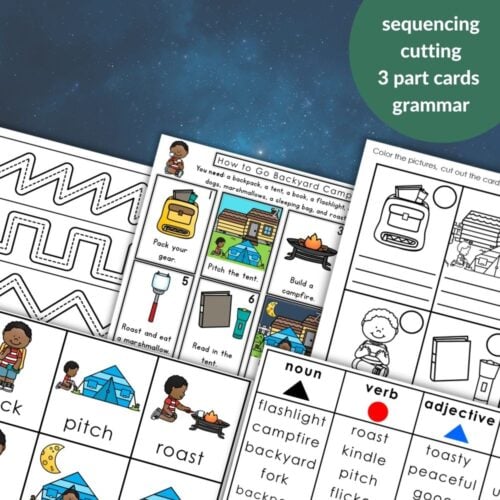
How to Go Backyard Camping Outdoor Life Skills Sequencing Cards$3.60
-
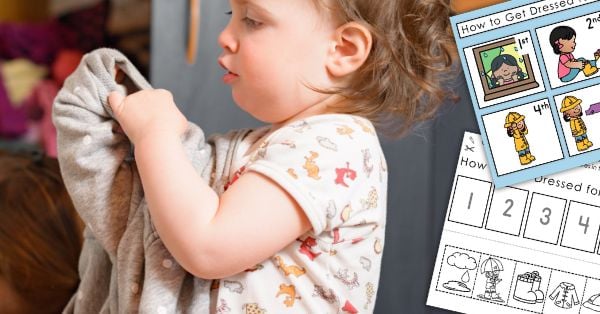
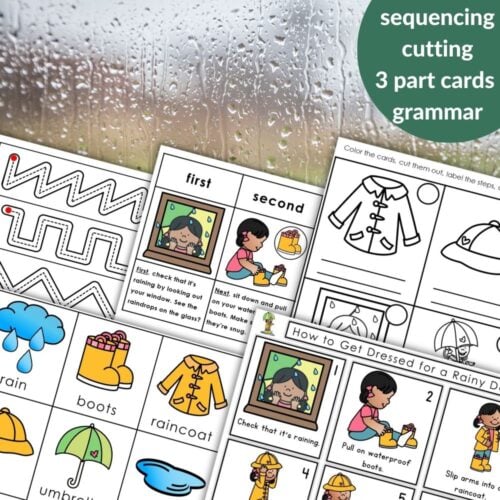
How to Get Dressed for a Rainy Day$3.10
-
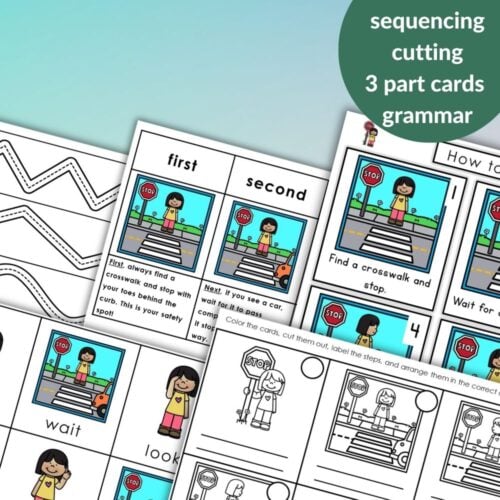
How to Cross the Street Safety Activities$3.10
About Anastasia | Anastasia is an early childhood teacher with over twenty years of experience in Montessori classrooms and homeschooling. With a Master’s in Information Science, she blends education and information design to create clear, organized, research-backed resources. As founder of Montessori Nature, she develops evidence-based, nature-inspired printables that support holistic child development and foster curiosity, independence, and a love of learning. Explore more in her shop and Teachers Pay Teachers store.