Classroom gardening gives young children a real reason to pay attention. When a seed they planted pushes through the soil for the first time, something shifts. They care. They want to know what happens next. For kindergarten through third grade students, growing plants from seed to harvest offers hands-on science learning, practical life skills, and a connection to nature that no worksheet can replicate. Whether you are a classroom teacher planning spring units, a homeschool parent looking for meaningful outdoor activities, or an educator preparing for Earth Day, this guide will help you get started without feeling overwhelmed.
First, A Quick Word About Plant Safety
Before anyone puts hands in soil, have a simple conversation about plant safety. Here is what children need to know:
- Plants have been on Earth for millions of years. Over that time, they developed ways to protect themselves from being eaten. They produce compounds called oxalates, which are dangerous if eaten in large amounts.
- Many foods we eat every day contain oxalates—spinach, rhubarb, and beets are good examples.
- The rule is simple: some plants are for eating, and some are for looking at. In our classroom garden, we grow plants that are safe to eat. But we never taste anything without checking with a grown-up first.

This approach teaches respect for plants without making children afraid of them.
The Best Plants for Classroom Growing
Choose plants that germinate quickly, grow reliably, and can survive a few missed waterings. Here are some proven options:
- Beans and peas – Sprout in 3-5 days. Children can see daily changes. Bush beans work well in small containers.
- Lettuce and salad greens – Grow quickly and can be harvested multiple times. Cut-and-come-again varieties keep producing.
- Radishes – Ready to harvest in about three weeks. Fast results keep children engaged.
- Sunflowers – Dramatic growth captures imagination. Dwarf varieties work better in classrooms.
- Herbs – Basil, mint, chives, and parsley offer sensory experiences through smell and taste.
- Nasturtiums – Edible flowers that grow easily from seed. Peppery leaves add interest to salads.
Hands-On Activities for Kindergarten Through Grade 3
Here are activities that work at different grade levels. Start with the basics and build from there.
Planting Seeds Step by Step
This is the foundation. Teach the sequence slowly and let children practice.
What you need:
- Small pots or recycled yogurt cups with drainage holes
- Potting soil
- Seeds
- Watering cans with narrow spouts
- Plant markers
- Trays to catch water
The sequence to demonstrate:
- Fill the pot with soil, leaving a little space at the top
- Make a small hole with a finger
- Place one or two seeds in the hole
- Cover gently with soil
- Water carefully
- Label with the plant name and date
- Place in a sunny spot
Let children do each step themselves. The first few attempts will be messy. That is fine.
Seed Germination in a Bag
This activity lets children see what happens underground.
What you need:
- Clear plastic bags with zippers
- Paper towels
- Bean seeds
- Spray bottle with water
- Tape
How to do it:
- Dampen a paper towel with the spray bottle. It should be wet but not dripping.
- Place the towel inside the plastic bag.
- Put 3-4 bean seeds between the towel and the bag so they are visible.
- Seal the bag and tape it to a sunny window.
- Watch daily as roots emerge and reach down, stems reach up, and leaves unfold.
Children can draw what they see each day. The whole process takes about a week.
Plant Needs Investigation
For second and third graders, try a simple experiment.
What you need:
- Several identical small plants
- Labels
- Observation journals
Set up these conditions:
- One plant gets sunlight and regular water
- One plant goes in a dark cupboard but gets water
- One plant stays on the windowsill but gets no water
- One plant goes in soil
- One plant goes in sand but gets water
Ask children to predict what will happen to each plant. Check every few days and record observations. Discuss why results occur.
Plant Observation Journal
Regular observation builds scientific habits.
What to include in a simple journal page:
- Date
- Drawing of the plant
- Height measurement
- Number of leaves
- One thing I noticed today
- One question I have
Do this once or twice a week. Over time, children see patterns and make connections.
Flower Dissection
When something blooms, take a closer look.
What you need:
- A large flower (lily, tulip, or alstroemeria work well)
- Magnifying glasses
- Tweezers
- Tray or paper plate
- Labels for parts
What to do:
- Look at the whole flower first. Notice colors, shapes, and smell.
- Gently remove petals one at a time. Count them.
- Find the stamens. Look for pollen.
- Find the pistil in the center.
- Arrange all parts on the tray and label them.
This activity connects to lessons about pollination and plant reproduction.
Adding Earthworms Without Adding Stress
Earthworms enrich any plant study. Here is how to keep them simply.
What you need:
- Plastic tub with a lid. Drill small air holes in the lid.
- Shredded newspaper for bedding
- A handful of soil
- Spray bottle with water
- Red wiggler worms (available at bait shops or online)
- Small container for food scraps
How to set it up:
- Fill the tub about halfway with shredded newspaper.
- Dampen with the spray bottle. Bedding should feel like a wrung-out sponge.
- Add a handful of soil. This provides grit for the worms’ digestion.
- Add the worms. Let them settle for a day before feeding.
- Bury small amounts of fruit and vegetable scraps in the bedding once a week.
- Keep the bin in a cool place out of direct sun.
What children learn:
- Worms eat scraps and turn them into compost
- Compost enriches soil for plants
- Decomposition is part of the growth cycle
A teacher I know started a worm bin and noticed something unexpected. “The children check their seedlings first thing. They ask, ‘Do we need to spray them with water?’ I don’t have problems with kids squirting each other with water bottles anymore because they understand how important that water is for the plants.” The worms became classroom pets. Children took responsibility seriously.
Keeping Classroom Gardening Manageable
Many teachers avoid gardening because it sounds like too much work. It does not have to be.
Start small:
- One or two pots on a sunny windowsill is enough.
- Choose fast-growing plants so children see results quickly.
- Use recycled materials. Yogurt cups with holes punched in the bottom work perfectly. Clear clamshell containers from takeout food become mini-greenhouses.
- Keep soil in a sealed container. Store seeds in a labeled box.
- Have a dedicated shelf or tray for all supplies.
Create simple routines:
- Two children are plant helpers each week. Rotate so everyone gets a turn.
- Watering happens at the same time each day—during morning arrival or after lunch works well.
- Observation journals come out every Friday.
- When problems arise (wilting, mold, pests), discuss them as a class. Problem-solving is part of learning.
Involve families:
- Ask for donations of seeds, pots, or soil.
- Send home seedlings for Mother’s Day or as the school year ends.
- Share photos of classroom plants on class apps or newsletters.
Using the How to Grow a Plant Printable
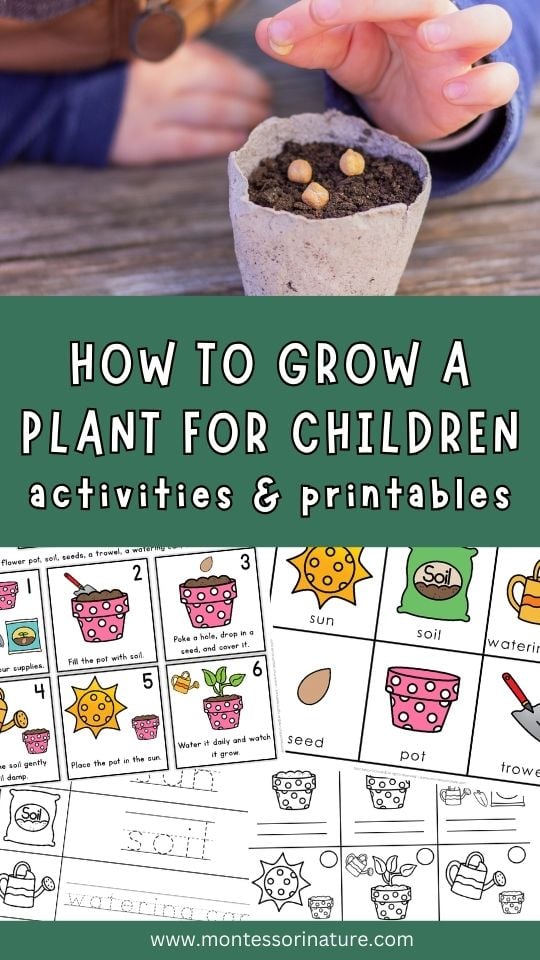
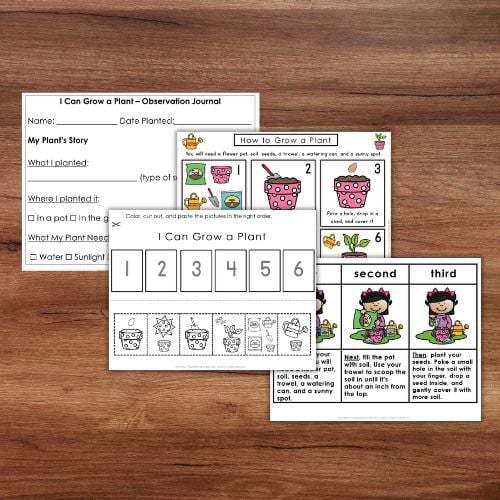
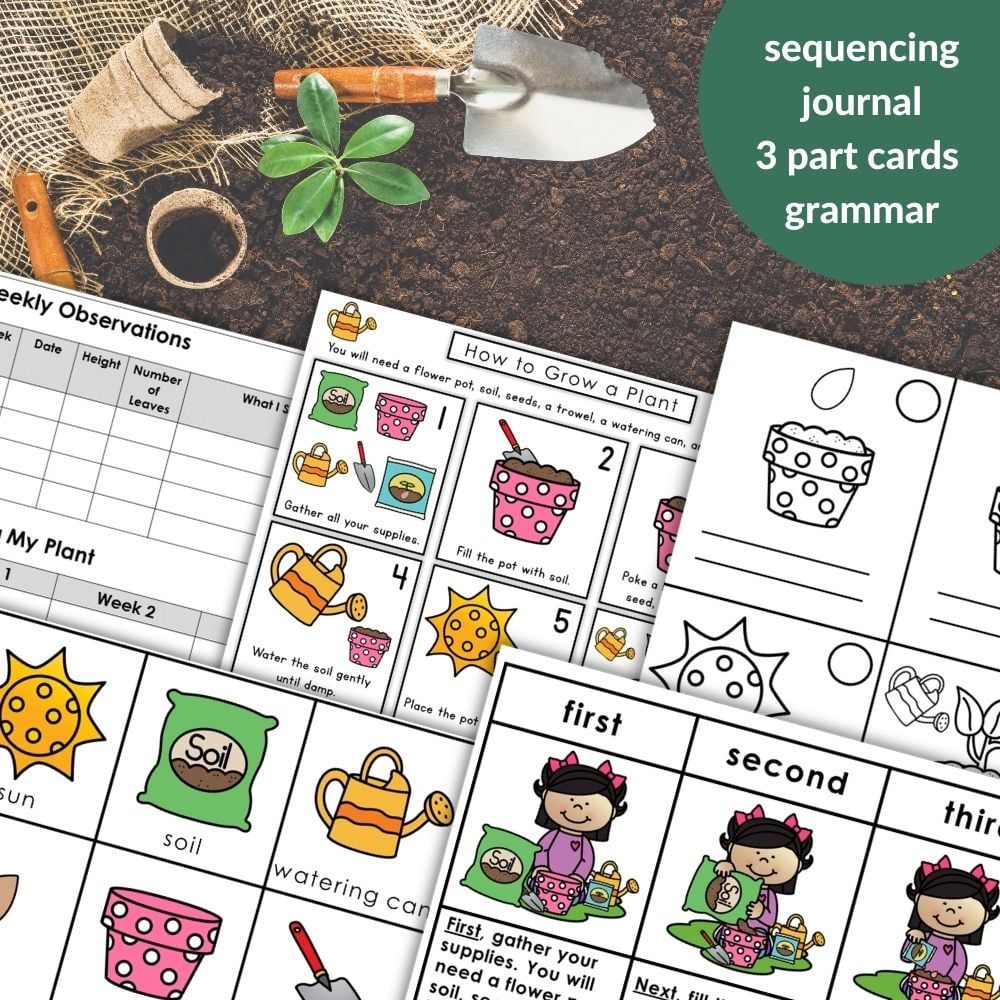
A good printable makes everything easier. Our “How to Grow a Plant” resource gives you ready-to-use materials that reinforce what children learn through hands-on work.
Here is what is inside:
Sequencing cards
- Illustrated cards show each stage from seed to mature plant.
- Children arrange them in order.
- Use for matching games or storytelling.
- Builds procedural thinking.
Sequence mats
- Mats with a six-step planting sequence.
- Blank spaces for card placement.
- Number lines guide ordering.
- Self-checking chart lets children verify their own work.
Cutting practice strips
- Plant-themed cutting paths.
- Develop scissor control.
- Strengthen hands for writing.
Tracing and writing strips
- Practice writing plant vocabulary.
- Guided tracing lines.
- Words like seed, soil, water, sun, grow, leaf.
Three-part vocabulary cards
- Match pictures to words.
- Control cards for self-correction.
“I Can Grow a Plant” mini-book
- Cut-and-assemble booklet.
- Children sequence and write each step.
- Blackline version for coloring.
- Take-home guide to share with families.
Observation journal
- Template for recording observations.
- Space for drawings and measurements.
- Prompts for noticing changes.
Parts of speech sorting
- Sort plant words into nouns, verbs, adjectives.
This printable works for different grade levels:
- Kindergarten: Picture matching, basic sequencing, vocabulary introduction
- Grade 1: Guided sequencing, booklet creation, simple observation
- Grade 2-3: Independent sequencing, detailed observation, written reflection, parts of speech
Planting Through the Seasons
Classroom gardening can happen all year. Here is how it might look:
Fall
- Collect seeds from apples, pumpkins, and peppers.
- Start a worm bin.
- Plant cool-weather crops like lettuce and spinach indoors.
Winter
- Feed the worms and watch them work.
- Plan spring planting. Order seeds or save them from fall.
- Read books about gardens and growing.
Spring
- Start seeds indoors. Use recycled containers.
- Transplant seedlings into larger pots.
- Observe daily changes. Measure and record growth.
Early Summer
- Harvest what has grown.
- Taste-test lettuce, radishes, or herbs.
- Celebrate with a classroom salad.
- Send plants home with children.
What Children Learn
When children tend plants, they learn more than science.
They learn patience. Seeds do not sprout overnight. Some take longer than others. Waiting is part of the process.
They learn responsibility. Plants depend on them for water and care. If they forget, the plant shows it.
They learn observation. Small changes happen daily. Noticing them takes practice.
They learn cause and effect. Too much water kills roots. Too little water wilts leaves. The plant responds to their actions.
They learn that their hands can nurture life. A seed they planted becomes a plant they can eat or give away. That matters.
One child in a first-grade classroom watched his bean seed for days. Nothing happened. He kept watering, kept checking. On day eight, a tiny sprout appeared. He ran to get his teacher. “Look,” he said. “It worked.” He had learned that consistent care leads to results. That lesson stays with him longer than any worksheet.
Getting Started
You do not need a greenhouse or a garden bed. You need a sunny window, a few containers, some soil, and seeds. Start with one activity. See how it goes. Add another when you are ready.
The children will remind you to water. They will notice the first sprout before you do. They will ask questions you cannot answer, and you will look up the answers together. That is the point.
When they taste a leaf of lettuce they grew themselves, or give a potted herb to someone they love, or explain to a visitor how worms make soil from scraps, they know something real. They are part of the growing world. Their hands made it happen.
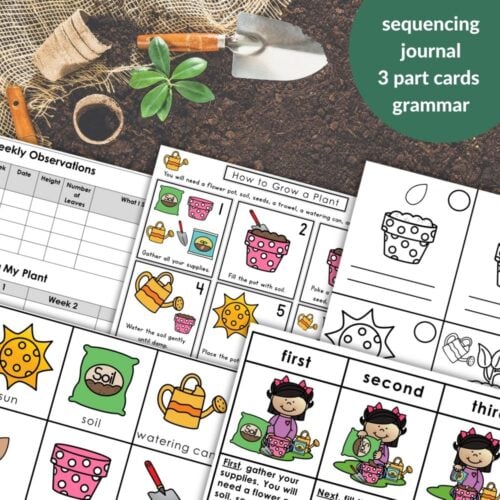
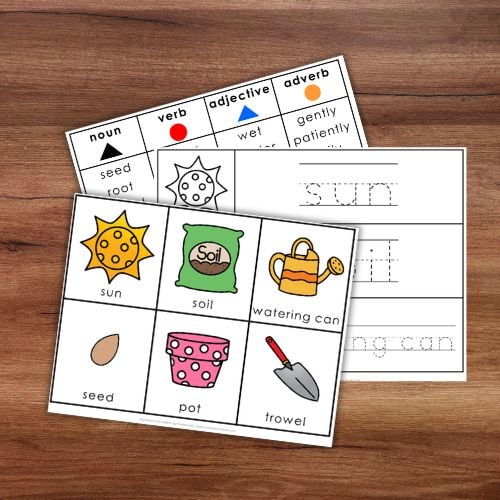
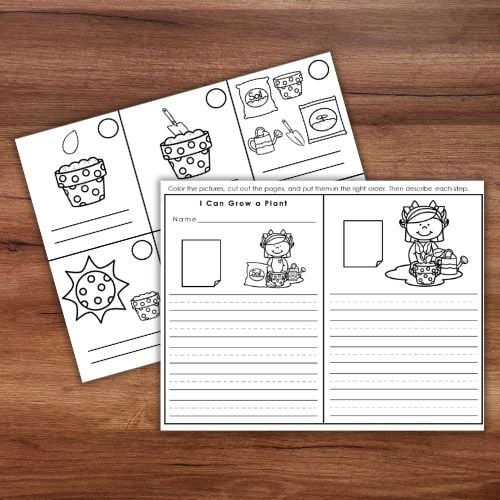
How to Grow a Plant Spring Summer Gardening Sequencing Cards
This How to Grow a Plant resource provides structured, hands-on activities for teaching plant life cycles, sequencing, and science vocabulary. Designed for students in Kindergarten through Grade 3, the materials break down the planting process into clear, manageable steps while integrating fine motor practice and language development. Ideal for spring units and gardening instruction.
You Might Also Enjoy
-
 Parts of a Banana Plant Life Cycle Activities$7.10
 -
Parts of a Dandelion Life Cycle Activities$7.80
-
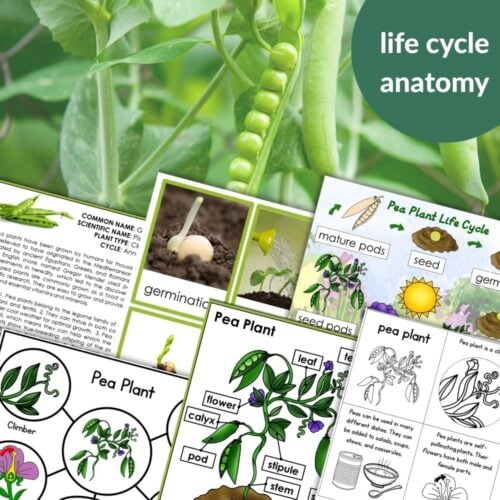
Parts of a Pea Plant Life Cycle Activities$7.10
-
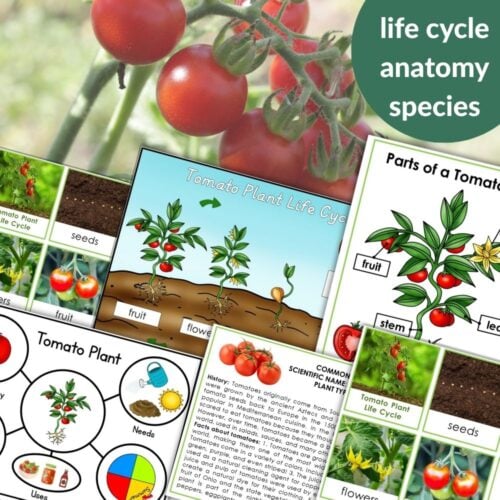
Parts of a Tomato Plant Life Cycle Activities$7.10
-
Parts of the Plant: Botany 3 Part Cards Blackline Master$3.10
-
Parts of a Seed 3 Part Cards Definitions Worksheets$3.10


About Anastasia | Anastasia is an early childhood teacher with over twenty years of experience in Montessori classrooms and homeschooling. With a Master’s in Information Science, she blends education and information design to create clear, organized, research-backed resources. As founder of Montessori Nature, she develops evidence-based, nature-inspired printables that support holistic child development and foster curiosity, independence, and a love of learning. Explore more in her shop and Teachers Pay Teachers store.