Working on science experiments with preschoolers is one of my favorite aspects of teaching young kids. It sows seeds of wonder and excitement creating magic and seeing laws of nature unfold in front of your eyes. Preschool kids love learning about colors. There are tons of different ways to teach children the concept of mixing colors to create a new one. We decided to have some fun with water beads and conduct an experiment to see what happens when two different colors mix. If you don’t know what the water beads are, I’ll explain. Water beads are polymer crystal gel balls. When they come in contact with water they absorb it and start to expand.

Now, a very important note:
I was tempted to introduce my daughter the water beads a long time ago, but I decided to wait until I was 100% sure she would be safe playing with them and wouldn’t try to swallow water beads. She is 4.5 now and was actively supervised by me when playing with water beads. These should never be around young children and children who like to take things in their mouths. Gel beads are non-toxic and safe for children to touch. However, these water beads are not edible. They should never be swollen since they can expand 200 times their size in a child’s tummy. Please, use your best judgment when introducing children to water beads activity to decide if it’s safe to do so. I always kept my eye on my daughter and explained to her explicitly that we can’t take these into the mouth.

Here is what we’ve done afterward:
- filled up a clear jar of water, poured yellow water beads, and left it for 4 hours to absorb water and expand
- poured water into a bowl and added blue food coloring
- poured water beads into a bowl with blue-coloured water
- watched the magic happen – once dipped into blue water yellow beads turned green

As Blossom was taking them out of the bowl blue water beads instantly turned yellow. The effect was mind-blowing! I provided her with more tools and an extra dish for transferring beads and having a bit of free play. She was ecstatic.

This experiment can be done with different color beads. To get different colors mixed..
red + blue = purple
blue + yellow = green
yellow + red = orange
green + orange = brown
There are many different versions of water beads, including edible water beads and tapioca balls. These are a much better option for younger children, however, still a choking hazard for babies. Even better – Fun With Kids At Home shared their version of water beads play which is completely safe for babies – Safe Edible Non-Chokable Mini Water Beads
This color experiment was lots of fun. We will be checking out non-choke beads with our baby soon too.
you might find our sensorial printables helpful in your classroom
-
 Music I am a Musician Preschool and Kindergarten Pack$8.30
 -
I Have Who Has Math Games Bundle
-
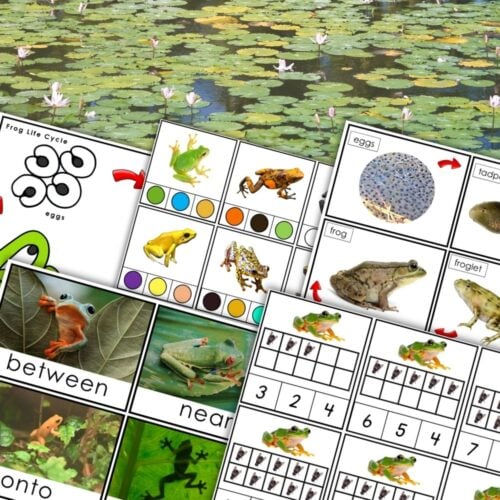
Frog Early Learning Pack$6.10
-
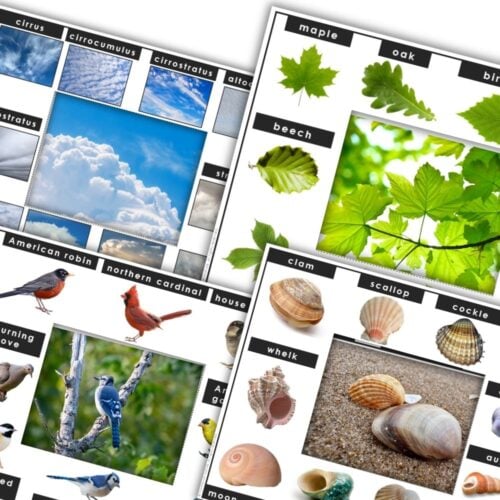
Outdoor Nature STEM Activity: I Can Name It Identifiers$10.10
-
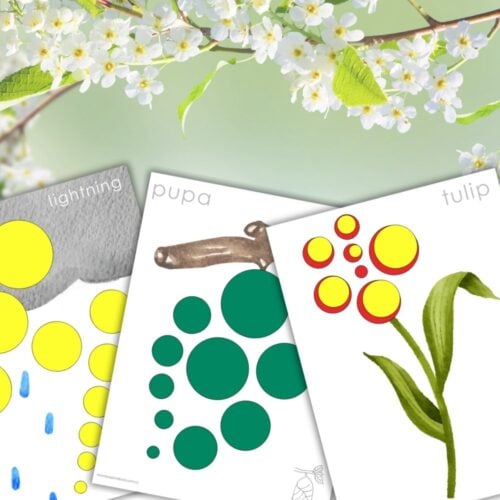
Knobless Cylinder Sensorial Extension Cards: Spring Patterns$4.10
-
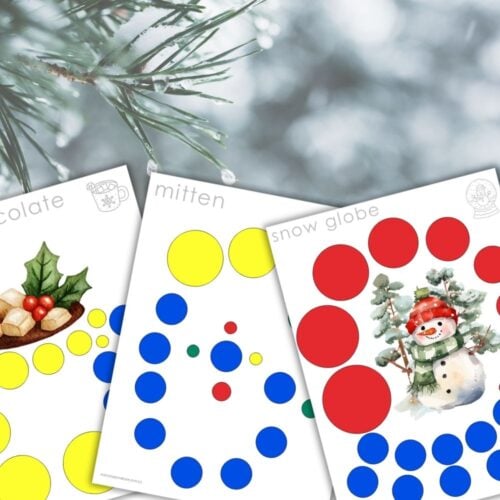
Knobless Cylinder Extension Cards: Winter Patterns$4.10
-
Colors of Fall Sort$0.00
-
Knobless Cylinder Extension Cards: Summer Patterns$4.10
-
Knobless Cylinder Extension Cards: Fall Patterns$3.60
-
Peace Activities & Play-Doh Continent Mats$6.30
-
Bat Early Learning Activities Number Play Doh Mats$4.60
-
Apple Preschool Activities Life Cycle Play Doh Mats$4.60
-
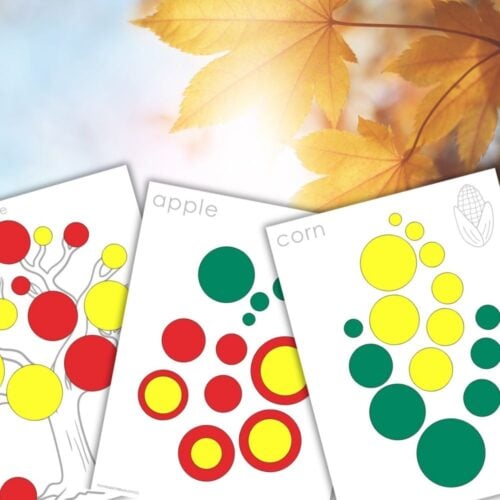
Corn Extension Card$0.00
-
Pumpkin Play-doh Mats$0.00
-
Fall Geoboard Cards$0.00
-
 Cutting Strips$0.00
 -
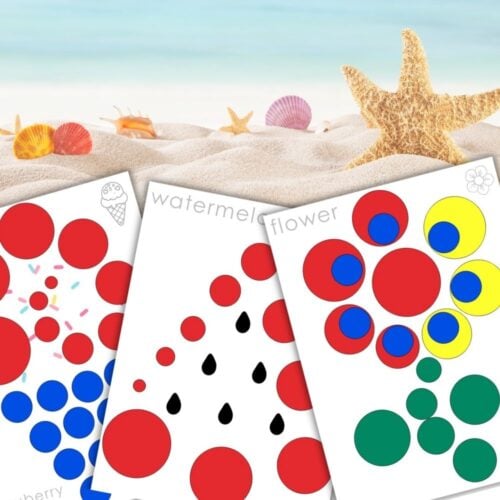
Ice Cream Extension Card$0.00
-
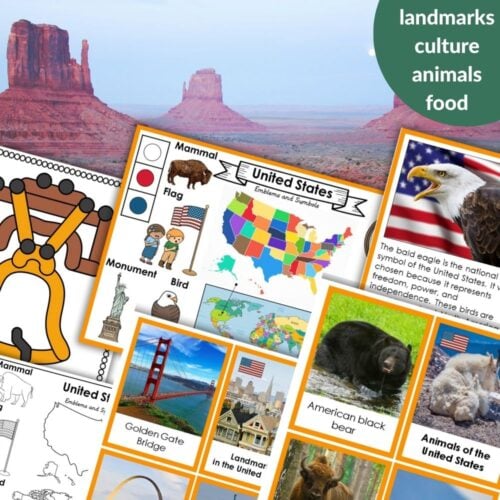
United States: Map Flag Animals Food Landmarks$8.10





About Anastasia | Anastasia is an early childhood teacher with over twenty years of experience in Montessori classrooms and homeschooling. With a Master’s in Information Science, she blends education and information design to create clear, organized, research-backed resources. As founder of Montessori Nature, she develops evidence-based, nature-inspired printables that support holistic child development and foster curiosity, independence, and a love of learning. Explore more in her shop and Teachers Pay Teachers store.