If you celebrate Easter, you’ve probably noticed how easy it is for the season to fill up with egg hunts and chocolate bunnies—fun as they are. But beneath all of that is a story that so many of us long to share with our kids: one about sacrifice, love, and the kind of hope that feels like a fresh start.
So I’ve been wondering… what if there was a way to invite little ones into that story in a way that feels less like a lesson and more like an adventure? Something that lets them dig in—literally.
One idea I’ve come across is creating a small Easter garden together. Just a pot, some soil, a few plants—and space to let the story unfold. It’s simple, hands-on, and gives kids a chance to connect with the themes of renewal and new life in a way that makes sense to them. They get their hands dirty, you get to share the heart behind it, and somewhere in between, the story starts to feel like their own.
What I love about this is that it doesn’t feel like “teaching.” It feels like growing something together—and along the way, little ones naturally pick up on things like love, gratitude, and care for the world around them. No pressure. Just a shared moment that might end up meaning more than either of you expected.


I think what draws me to this idea is how naturally it opens up space for the deeper parts of Easter—the hope, the new beginning, the quiet beauty of the Resurrection story. It’s not about forcing a lesson; it’s about letting that message sit with kids in a way that feels gentle and lasting. When we come back to that story year after year, it starts to build something—a foundation, maybe, or just a sense that this holiday holds something meaningful at its core.
When we sat down to create our own Easter garden, we started by reading the story together. Then came the fun part: figuring out what needed to be in it. A tomb, of course. A stone. A cross. A little hill. Right away, the kids were all in—they love any excuse to build a small world. And honestly, there’s something magical about watching them take an idea and shape it with their own hands. Small world play gives them the freedom to imagine, to reenact, to ask questions without even realizing they’re asking.
One thing I tried to hold onto through the process was remembering that it’s less about how it turns out and more about the time spent making it together. I kept reminding myself—and them—that we put our best effort into what we do, not because it has to be perfect, but because what we’re making matters. We talked about textures, tossed around ideas, and figured out the next steps as a team. Sometimes it was messy, sometimes we changed our minds halfway through, but that was kind of the point.
If you have older kids, it’s fun to start a little earlier—plant some seeds and let the garden grow over time. We were a bit short on patience this year (no judgment if you are too!), so we sped things up and bought some small plants to get started. Either way, it became less about the timeline and more about the story unfolding in front of us.
Materials we used to make an Easter garden:
- ferns to cover the tomb
- grass
- white flowers
- plastic bowl
- two sticks to make a cross ( we just hammered them with nails, but wood glue or tying sticks together with a piece of string works too)
- pot for a tomb
- garden rock
- garden tools
- soil

Here is what we did:

- picked a wide plastic bowl – something we had at our disposal. It worked like a charm because the grass had quite deep roots. Next time I plan to use something not so deep, probably a wide garden planter will do a great job – something we can use for feeding wild birds later on.
- filled gaps between plants with soil
- made a cross with two sticks

Now that the garden is together, we’ve made it part of our daily rhythm—just a little moment each day to water it and see what’s changed. It’s simple, but it’s become something we all look forward to. And if we’re lucky, it’ll last us through the season and beyond.
What I’ve found is that stories land differently when they’re paired with something you can touch, see, and smell. There’s something about combining storytelling with a hands-on experience that just clicks—especially for little ones. When we’re outside feeling the soil, arranging stones, watching the water soak in, it’s like the story moves from their ears into their fingertips. It becomes something they’ve done, not just something they’ve heard.
I try to think about engaging as many senses as I can. The smell of damp earth, the weight of a stone rolling in your palm, the sight of a tiny sprout pushing up through the soil—all of it works together to make the story feel real and present. Even just sitting beside the garden while we talk or read together seems to let the ideas settle in a different way.
We wish you a wonderful Easter!
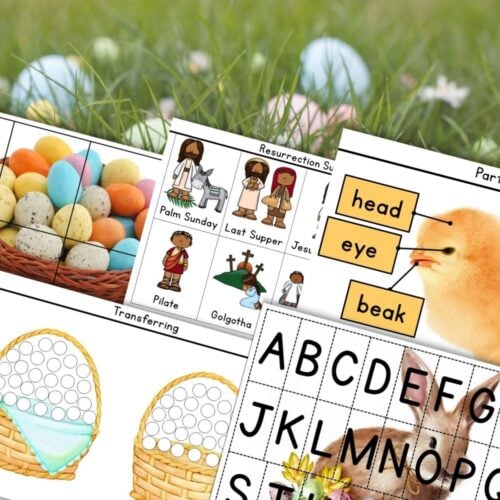
easter resources you might find helpful

[click here to sign up and download this printable]

[click here to sign up and download this printable]

[click here to sign up and download this printable]
You Might Also Enjoy
-
 Christmas Pack Preschool Kindergarten Busy Book$8.90
 -
Christmas in Australia 3 Part Cards$4.10
-
Easter Pack: Busy Book for Preschool Kindergarten$7.50
-
Compassion and Peace Preschool and Kindergarten Pack$8.10
-
DIY Classroom Christmas Gift Cards Photo Booth Props$3.10
-
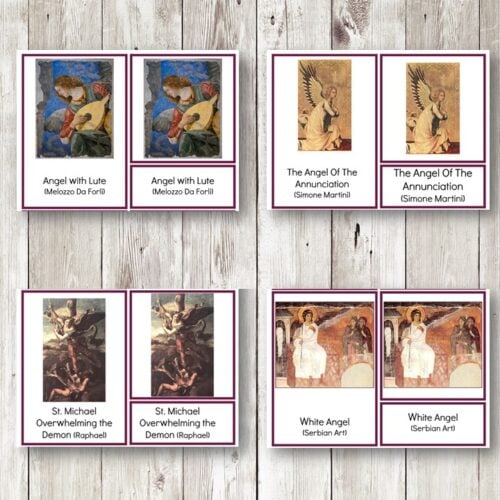
Angels in Art 3 Part Cards$2.10
-
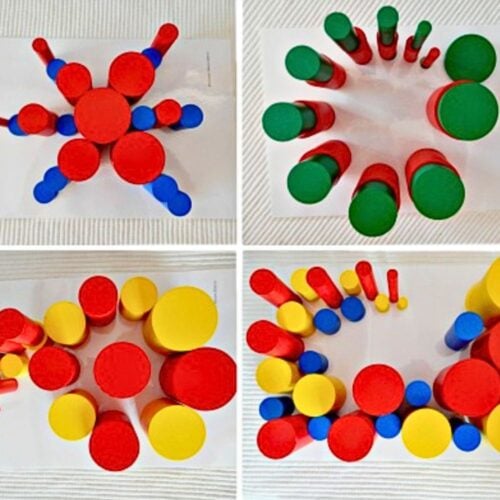
Christmas Patterns: Knobless Cylinder Extensions$3.10
-
 Montessori Math Beads: Christmas Addition Cards$2.10




About Anastasia | Anastasia is an early childhood teacher with over twenty years of experience in Montessori classrooms and homeschooling. With a Master’s in Information Science, she blends education and information design to create clear, organized, research-backed resources. As founder of Montessori Nature, she develops evidence-based, nature-inspired printables that support holistic child development and foster curiosity, independence, and a love of learning. Explore more in her shop and Teachers Pay Teachers store.