There is something special about a warm afternoon, a hose, and a dog who does not quite know what is coming. For parents searching for a how to wash a dog printable to pair with a sunny day activity, or educators looking for sequencing activities that connect to practical life lessons and care of pets, this simple task offers much more than a clean animal. It offers connection, responsibility, and the quiet pride that comes from caring for another living being. Whether you need a step-by-step guide for washing the family dog, a Montessori-inspired approach to pet care, or a hands-on learning activity that builds confidence and fine motor skills, this post will walk you through everything. Just a hose, some shampoo, a willing dog, and a child ready to learn what it means to take care of someone they love.
Why Washing a Dog Matters for a Child
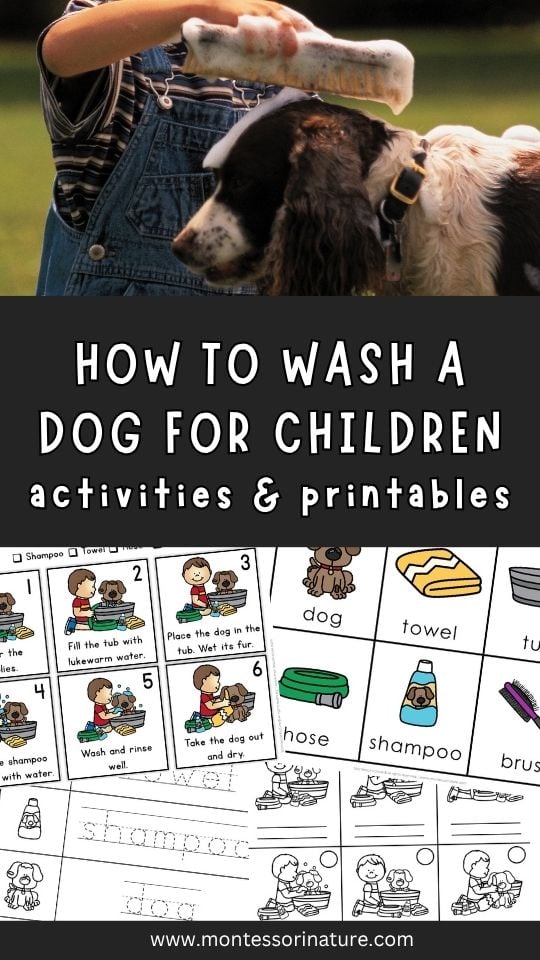
Washing a family dog is more than just a chore. For a child, it is an exercise in empathy, responsibility, and following a sequence. Children learn to plan ahead and break down a large task into manageable steps. They learn to be gentle. They learn to work together. And they learn that their efforts can make a real difference in the life of another creature.
When a child participates in washing the dog, they develop an understanding of cause and effect. If they do not rinse thoroughly, the shampoo stays in the fur. If they forget to check the water temperature, the dog might be uncomfortable. These small lessons build the kind of thinking that supports planning, problem-solving, and executive functioning—skills that serve children well beyond the backyard.


A Gentle Approach to Pet Care
Before the first drop of water falls, it is worth having a quiet conversation about the animal’s needs. Dogs, like people, have preferences. Some love the water and are eager to splash. Others tolerate baths, and a few would rather avoid them altogether.
The key is reading the animal’s body language and respecting it. This is the heart of grace and courtesy extended to another living being. Children are naturally curious and nurturing, but they need guidance in learning how to be gentle, patient, and attentive to the dog’s cues. When a child learns to recognize that a dog’s stress signals mean “pause and slow down,” they are building empathy that extends to human interactions as well. As one teacher noted, children who care for school pets gain “social awareness skills such as being gentle or patient and how to respect the needs and boundaries of others” .
Setting Up for Success
A successful dog wash begins with preparation. Gather everything you will need before the child approaches the dog. This models planning and prevents the stress of searching for supplies mid-bath.
You will want:
- A hose with a gentle spray nozzle or a large pitcher for pouring water
- A tub or baby pool if the dog is small enough to be contained
- A leash or a second person to help keep the dog calm if needed
- Gentle dog shampoo (never human shampoo, which can irritate a dog’s skin)
- Several towels for drying
- A brush for pre-wash grooming (detangling mats makes the bath easier)
- The Sequence of Washing a Dog
Break down the process into clear, manageable steps. This not only helps the child succeed but also builds the kind of procedural thinking that supports reading, writing, and planning . And just as with preparing for the weather, having the right tools—like a non-slip mat—can help the child work confidently and safely.
Prepare the Area: Choose a spot where the dog can stand comfortably without slipping. For a small dog, a bathtub with a non-slip mat works. For a larger dog, the driveway or lawn is ideal. Talk with the child about which spot is best and why.
Brush the Dog First: Remove loose fur and tangles before the water hits. This step is especially important for long-haired dogs. It also gives the child a chance to connect with the animal before the full bath begins.
Wet the Dog Thoroughly: Use lukewarm water—never hot, never cold. Start at the back and work forward, avoiding the dog’s eyes and ears. Let the child pour water using a small pitcher or hold the hose if they are old enough.
Apply the Shampoo: Squirt a small amount into the child’s hands and show them how to massage it gently into the fur, starting at the back of the neck and working down. Teach them to lather softly, noticing when the dog seems calm or relaxed.
Rinse Completely: This is perhaps the most important step. Leftover shampoo can irritate the dog’s skin. Show the child how to rinse until the water runs clear, then rinse one more time.
Dry the Dog: Use towels to rub the dog down gently. For long-haired dogs, a blow dryer on a cool setting can be used at a distance, but many children are happiest with the towel phase. They can help rub the dog’s back, legs, and tail until the animal is comfortable.
Other Ways to Connect Through Pet Care
Washing a dog is part of a larger cycle of caring for a pet. Other simple tasks that invite connection between children and animals include:
- Feeding the dog. Let the child measure the food and pour it into the bowl. This builds an understanding of portion control and routine .
- Filling the water bowl. A child with a small pitcher can refresh the dog’s water daily, noticing how much the dog drinks and when the bowl needs topping up.
- Brushing the dog. A few minutes of gentle brushing each day helps keep the coat healthy and gives the child regular time to connect with the animal .
- Walking the dog. Even a short walk around the block teaches responsibility and helps the child understand the dog’s need for exercise and fresh air.
Supporting the Learning with a Printable
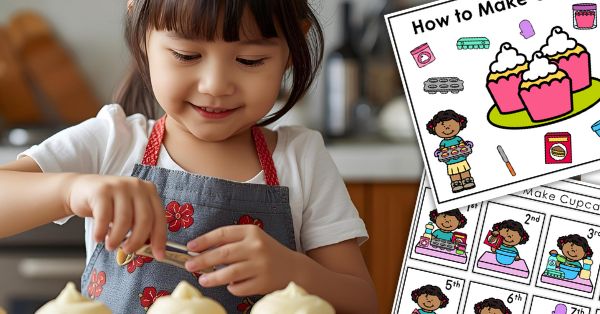
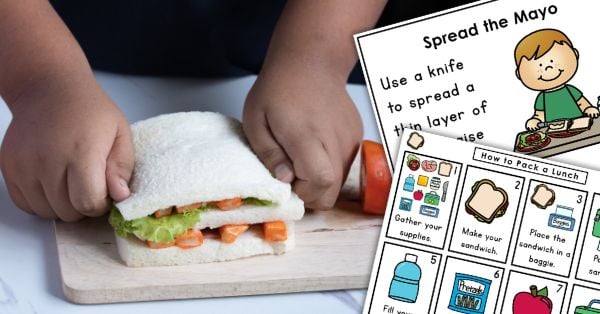
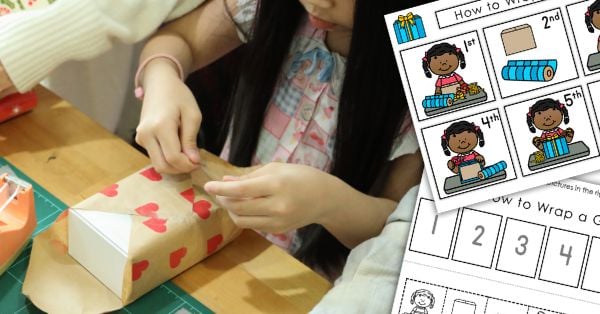
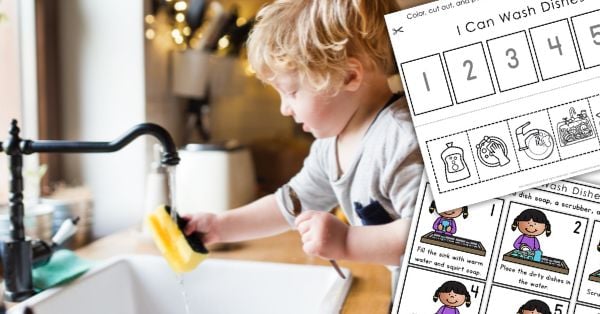
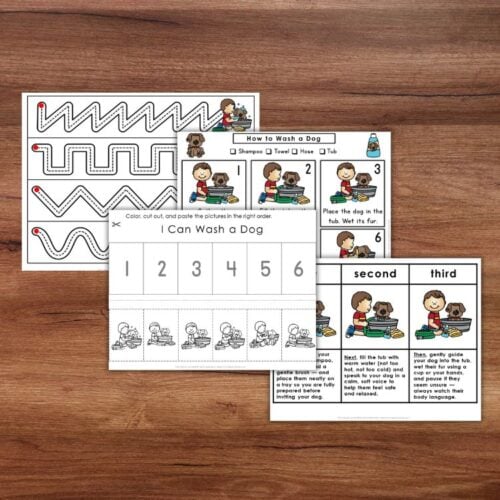
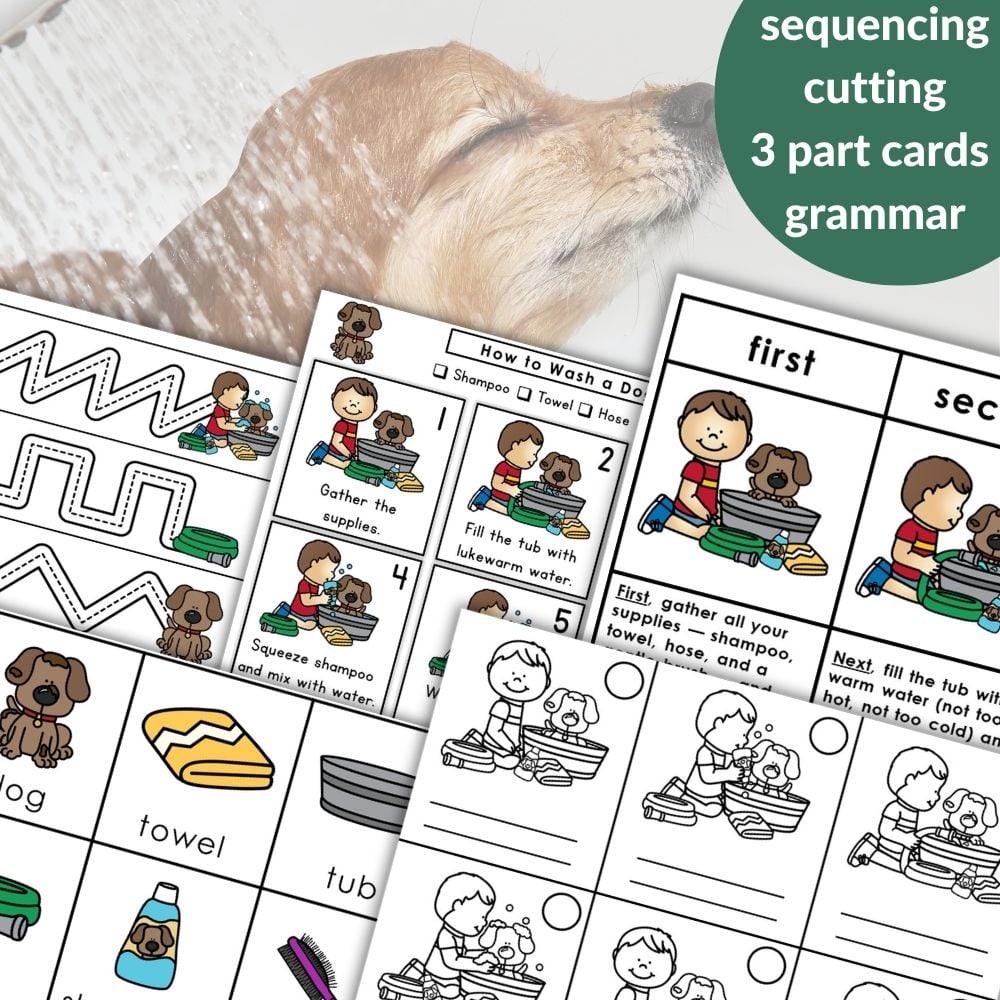
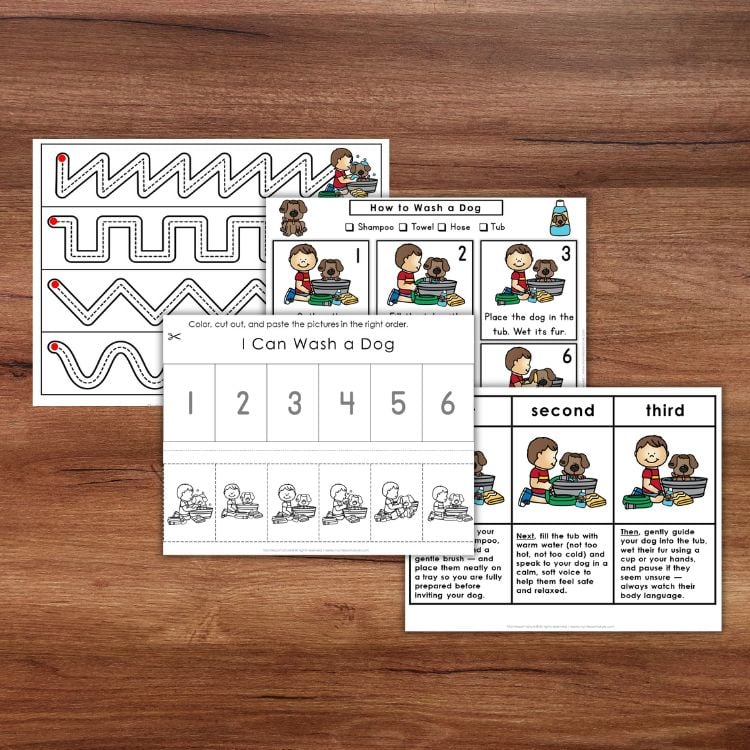
For families and classrooms that want to extend the dog-washing experience beyond the backyard, a structured visual guide can help a child internalize the sequence and build related skills . Our “How to Wash a Dog” printable breaks down the process into clear, illustrated steps that a child can follow with growing independence.
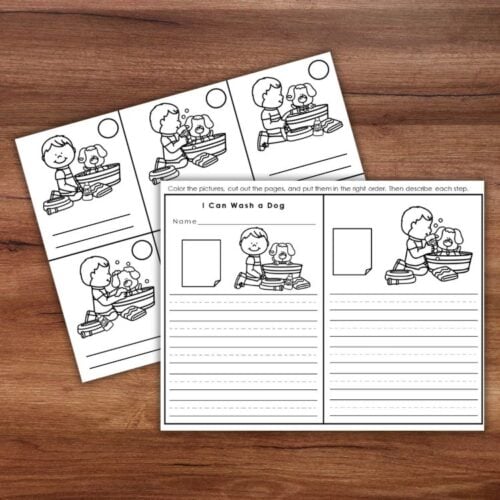
The sequence cards show each stage of the bath, from gathering supplies to drying the dog. A child can arrange the cards in order, talking through what comes first, next, and last. This simple activity builds the kind of procedural thinking that helps with everything from reading comprehension to planning a multi-step project.
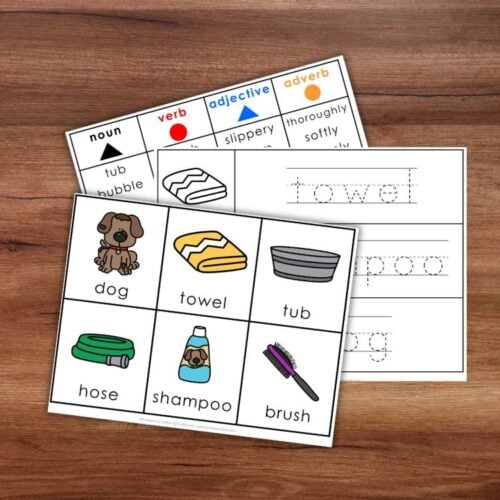
The vocabulary cards introduce words like shampoo, hose, towel through picture matching. A child learns the names of the tools they hold, building the precise language that supports confident communication. The cutting and tracing strips develop fine motor control—the same small-muscle skills that support writing. The parts of speech sorting activity invites older children to categorize dog-washing words into nouns, verbs, and adjectives, connecting a practical outdoor chore to grammar learning in a way that feels natural.
Blackline versions let a child color and personalize their own materials, creating a sense of ownership over the learning. A self-checking poster allows them to verify their sequencing work independently, building the quiet confidence that comes from knowing they are right.
The Memory That Lasts
The dog will get dirty again. That is part of having a furry friend. But the afternoon you spent washing the dog together stays clean in the memory.
The child will not remember whether the dog was perfectly rinsed or every leaf was blown away. They will remember the feel of the hose in their hands, the way the dog shook water across their clothes, the sound of your voice saying “Good job” as they rubbed shampoo into a warm back. They will remember that you trusted them with real work, and that you did it together.
That is the heart of it. The dog is just the excuse. The real work is building a relationship where a child knows they are seen, trusted, and valued. A dog bath, done slowly and joyfully, is one beautiful way to do that.



This printable is also available on TPT


About Anastasia | Anastasia is an early childhood teacher with over twenty years of experience in Montessori classrooms and homeschooling. With a Master’s in Information Science, she blends education and information design to create clear, organized, research-backed resources. As founder of Montessori Nature, she develops evidence-based, nature-inspired printables that support holistic child development and foster curiosity, independence, and a love of learning. Explore more in her shop and Teachers Pay Teachers store.