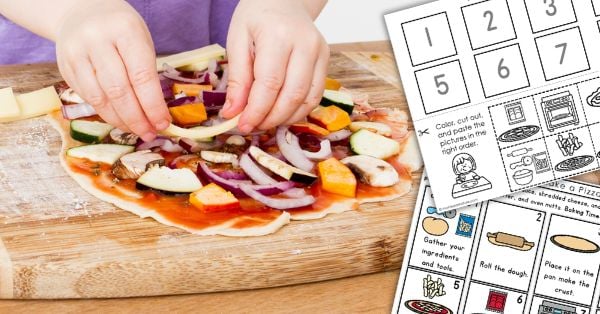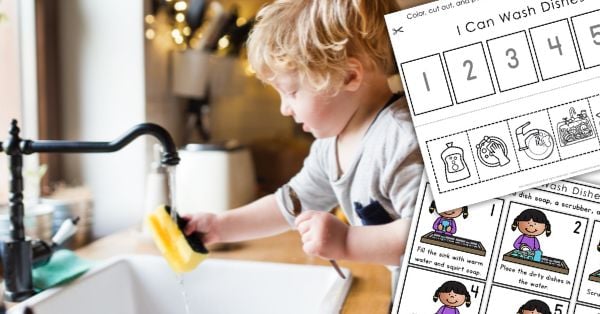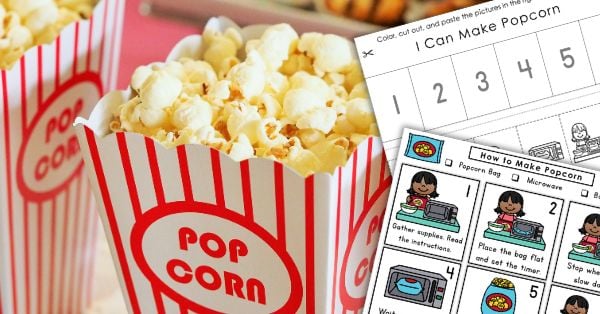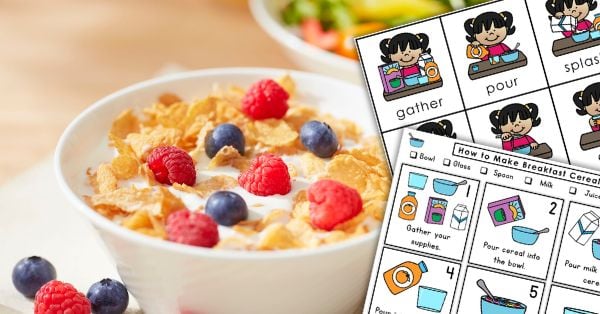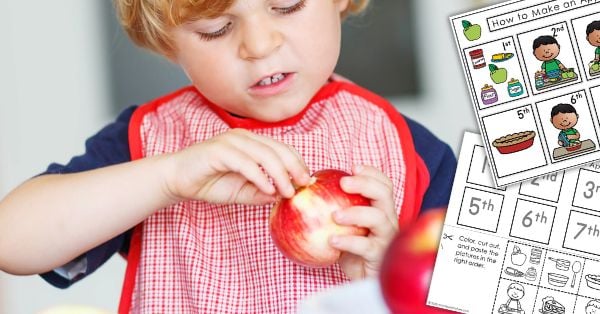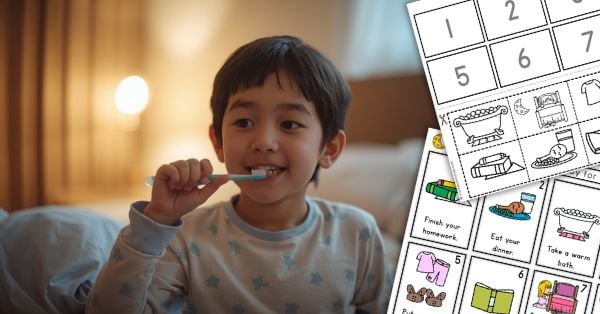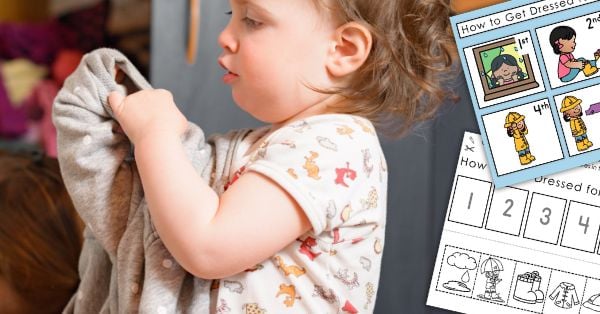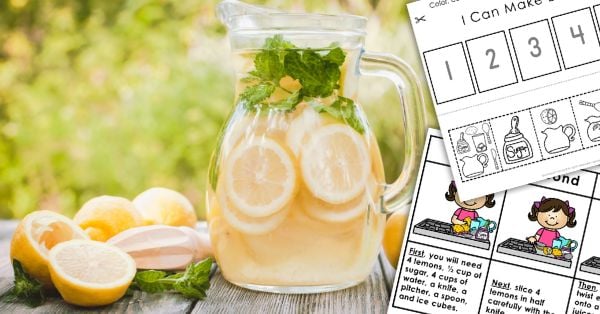
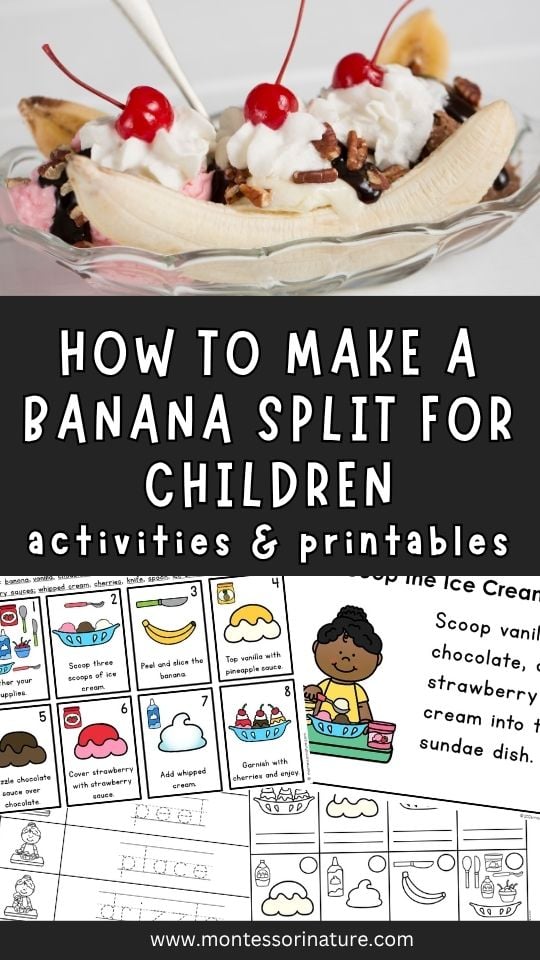
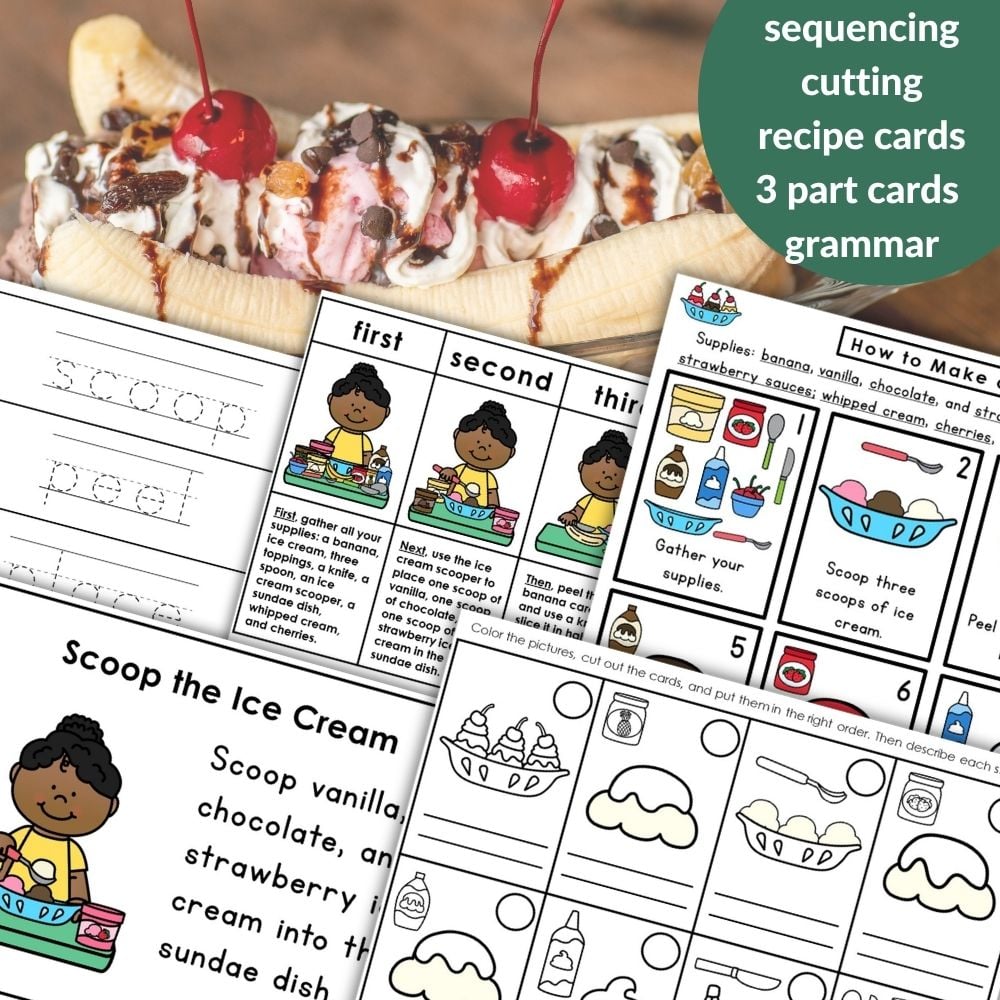
The How to Make a Banana Split printable pack provides everything you need to bring this practical life activity into your Montessori classroom or homeschool.
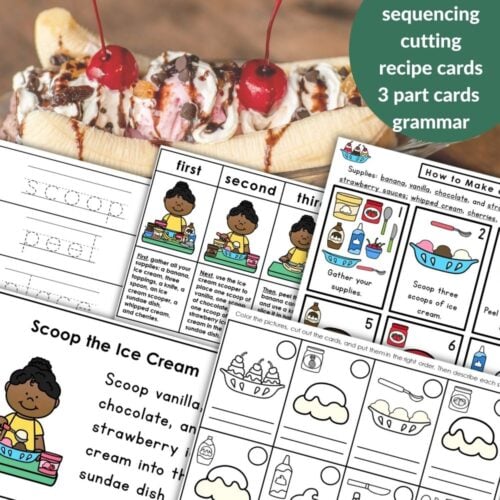
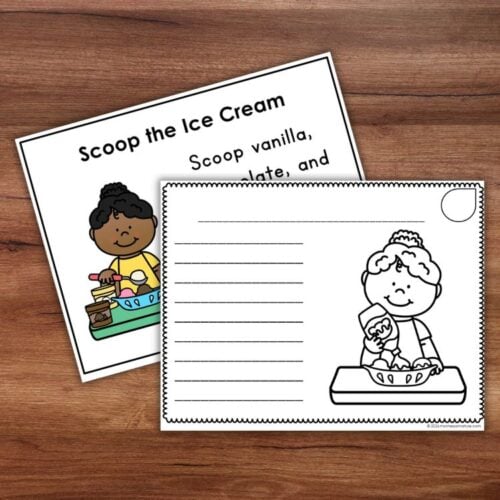
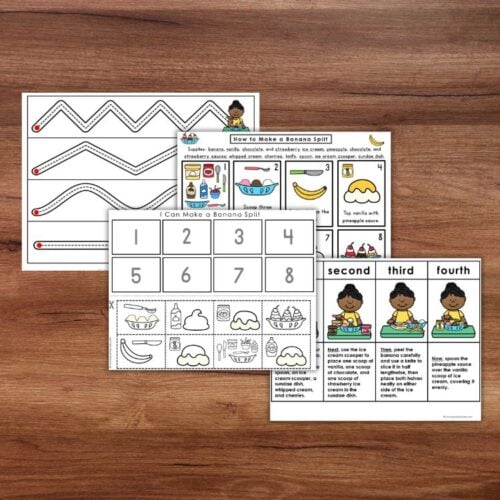
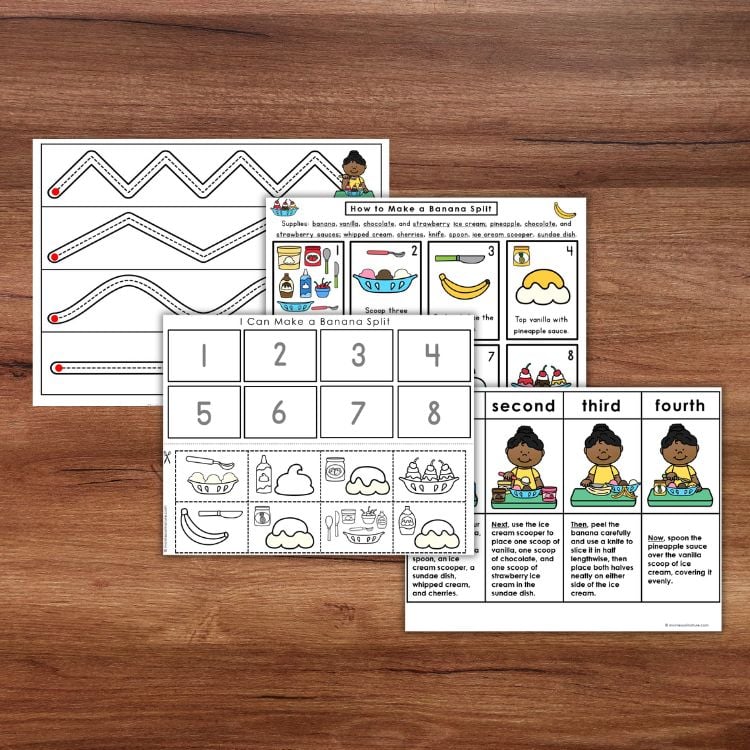
The Step-by-Step Sequencing Cards teach the full process from gathering supplies to enjoying the treat. Blackline versions allow children to color and assemble their own booklet.
The Recipe Cards provide a detailed guide for children to use independently in the kitchen, with helpful tips and safety reminders.
The Self-Checking Poster allows children to verify their sequence independently, building confidence and self-correction skills.
The Banana Split Safety Rules Card covers knife safety, food preparation, and clean-up habits—essential life skills that keep children safe in the kitchen.

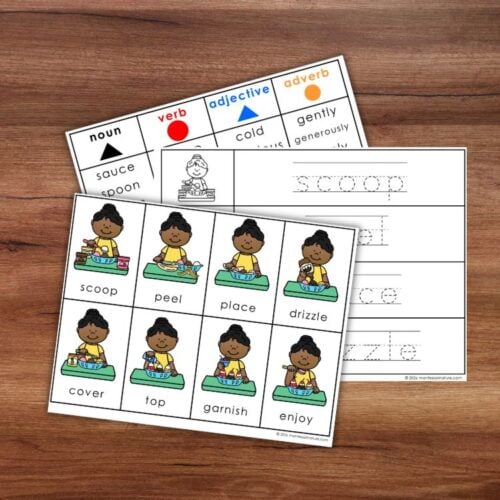
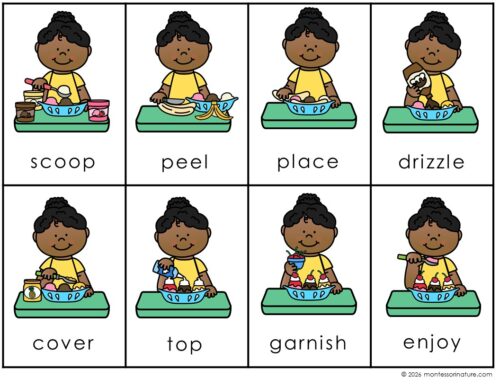
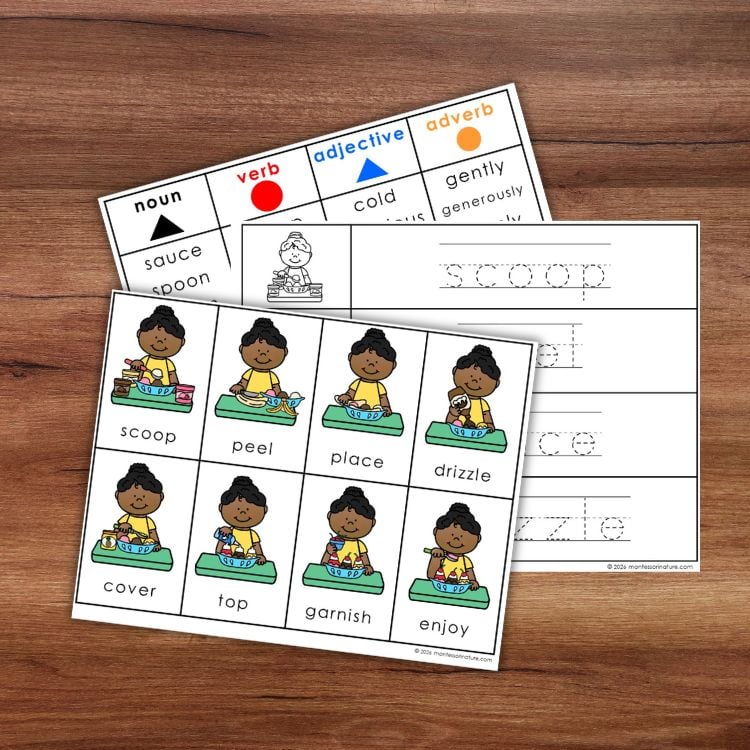
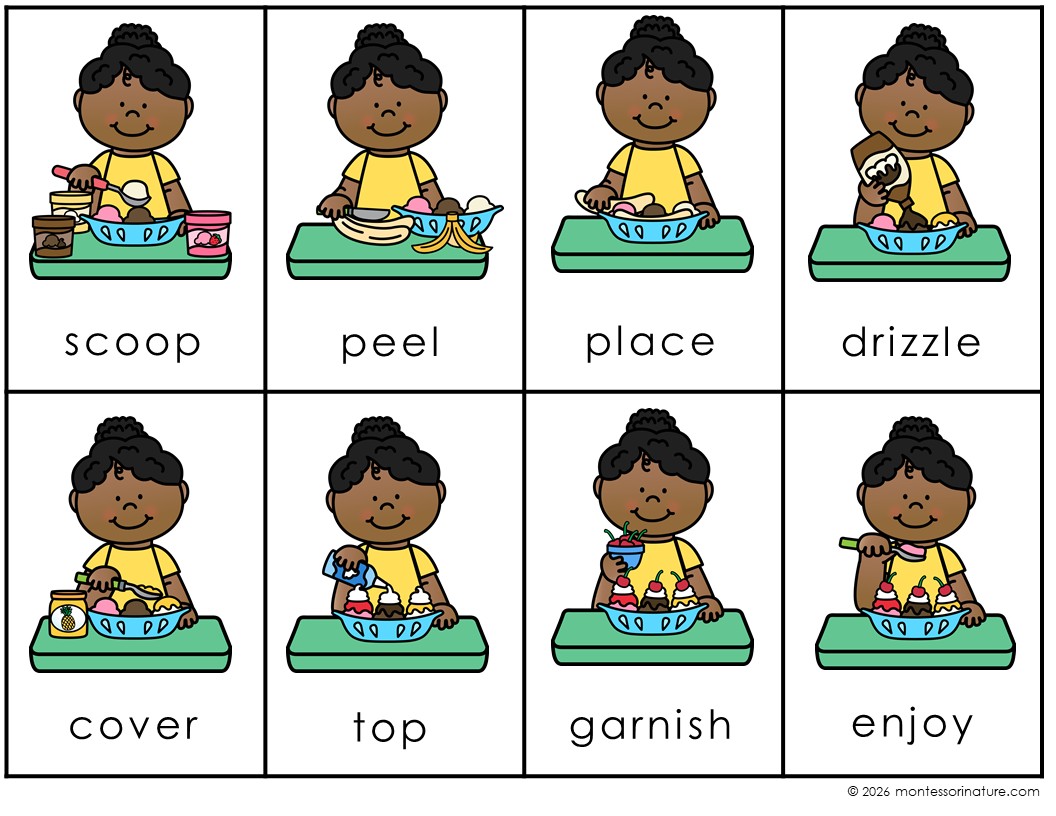
The 3-Part Vocabulary Cards help children build vocabulary.
The Parts of Speech Sorting activity extends the learning by helping children categorize words into nouns, verbs, adjectives, and adverbs—perfect for older children.
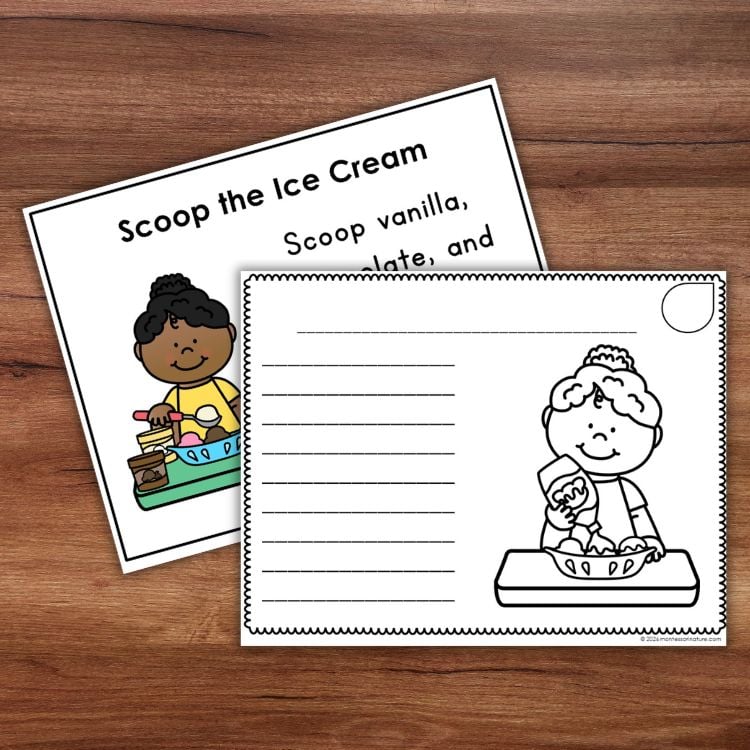
The Blackline Posters allow children to personalize their learning with coloring.
Why This Resource Works
Clear visuals support emerging readers and ELL students. Multiple practice formats reinforce the same sequence—children see the process repeatedly through different activities, embedding the learning deeply.
Print-and-go with blackline options means you can use this resource year after year. Self-checking features build confidence and independence.
But most importantly, this resource helps children develop a positive relationship with food. By engaging with food preparation in a Montessori context, children learn that food is meaningful and worthy of respect, that they are capable of preparing food for themselves and others, that cooking is a creative, joyful activity, and that all foods can fit into a balanced life.
Why Food Preparation Belongs on the Practical Life Shelf
In Montessori education, practical life activities help children develop focus, concentration, and fine motor coordination while building independence and confidence. Food preparation is one of the most rewarding practical life activities because it engages all the senses and gives children real, meaningful work that contributes to their community.
There’s something magical about a banana split. The long dish, the three scoops of ice cream, the colorful sauces, the fluffy whipped cream, and that cherry on top—it’s a dessert that feels like a celebration. And in a classroom or home, making a banana split becomes so much more than just a sweet treat. It becomes a meaningful practical life activity that builds independence, confidence, and a healthy relationship with food.
When a child makes a banana split, they practice hand-eye coordination through peeling, slicing, scooping, and drizzling. They practice concentration by following sequential steps. They develop executive function through planning and gathering supplies. They build fine motor control by using a knife, scooper, and spoon. And they practice grace and courtesy by sharing their creation with others.
The Montessori approach to food preparation is about more than just the final product. As Maria Montessori observed, children are delighted to be able to do kitchen tasks that are sometimes deemed too dangerous for them at home. When we trust children with real tools and real ingredients, we send a powerful message: I believe in you. You are capable.
The Traditional Banana Split: A Celebration Treat
The classic banana split with three scoops of ice cream, three sauces, whipped cream, and cherries is undeniably a dessert. And that’s okay. In fact, it’s more than okay.
Celebrations are an important part of life. Birthday parties, special achievements, family gatherings—these occasions call for something special. The banana split is a perfect celebration treat because it’s visually stunning, customizable, and fun to make together. When children help prepare a banana split for a special occasion, they learn that food can be a way to celebrate, connect, and show love.
Healthier Options for the Banana Split
For everyday enjoyment or for families looking for a more nutritious twist, the banana split can easily be transformed into a wholesome, balanced treat. The beauty of this dessert is its flexibility—the basic structure remains the same, but the ingredients can be adapted to suit any preference or dietary need.
The Breakfast Banana Split
One popular healthier alternative is the breakfast banana split. Instead of ice cream, use Greek yogurt, which is packed with protein and probiotics. The base is a ripe banana, peeled and sliced lengthwise. The scoops are a generous dollop of Greek yogurt in the center. Toppings can include fresh fruit like berries, diced mango, or sliced strawberries, a sprinkle of granola for crunch, and a drizzle of honey or maple syrup. Optional boosts include chia seeds for fiber, nut butter for healthy fats, or mini chocolate chips for a touch of indulgence. This version takes just five minutes to assemble, requires no cooking, and feels like a treat while actually delivering a balanced breakfast.
Healthy Swaps and Variations
For a dairy-free option, use coconut or almond yogurt. For a vegan version, use plant-based yogurt and maple syrup instead of honey. For low sugar, skip the syrup and use unsweetened yogurt. To add protein, use high-protein granola. For nut-free, replace nut butter with sunflower seed butter or tahini.
Why We Shouldn’t Demonize Food
It’s important to be honest with children about food. Some foods are nourishing and support their growing bodies. Others are sweet treats that are fine for special occasions but not meant for daily consumption.
Here’s an important distinction: some foods are genuinely harmful and contain ingredients that don’t serve our bodies well—high fructose corn syrup, artificial colors, trans fats, and excessive preservatives. We should call these what they are and not pretend they are the same as wholesome, nourishing foods.
The problem isn’t with calling these foods what they are. The problem is with moralizing—making a child feel guilty or ashamed for enjoying a sweet treat. A child should never feel like a bad person for eating a piece of birthday cake. At the same time, we should be honest that birthday cake is a sweet treat, not a nourishing daily food.
Labelling food as good or bad or healthy or unhealthy assigns moral value to food. If children think a food is bad, they may end up hiding food from you, eating more when no one is looking, and feeling guilty when they do eat it. This can lead to emotional eating and yo-yo dieting later in life.
Instead of Good or Bad, Try Sometimes and Everyday
A simple language shift can make a world of difference. Instead of saying that’s junk food or that’s bad for you, try saying this is a sometimes food or this is an everyday food. This approach removes the moral judgment and helps children understand balance without guilt. A banana split isn’t bad—it’s a sweet treat we eat sometimes, not every day. That is balance.
The key is to be honest about what the food is. Sweets are sweets. They are delicious and fun and perfect for celebrations. But they are not everyday foods, and children need to know the difference without feeling ashamed.
What About Using Sweets as a Reward?
Using sweets as a reward or punishment can undermine the healthy eating habits we’re trying to teach. Giving sweets, chips, or soda as a reward often leads to children overeating foods that are high in sugar, fat, and empty calories. Worse, it interferes with kids’ natural ability to regulate their eating.
Child psychologist Peadar Maxwell explains that using food as a reward can link eating sugary and salty food with behavior and could teach our kids to eat when they are not hungry. Instead of offering treats as rewards, consider a trip to the library or zoo, new art supplies or coloring books, extra reading time before bed, a playdate with a friend, or playing a favorite game with a parent.
How to Help Children Foster Self-Control
Name the feeling. Help children identify what they are experiencing. “I can see you really want to eat that banana split right now. It looks so delicious, doesn’t it? Let’s take a deep breath together.” Naming emotions reduces their intensity and helps children feel understood.
Set clear expectations. Before beginning the activity, explain when the treat will be eaten. “We are going to make this beautiful banana split together. We will take our time, prepare it carefully, and then we will all sit down together to enjoy it.” Children feel more secure when they know what to expect.
Practice waiting in small steps. Start with short waiting periods and gradually increase. For a younger child, waiting one minute might feel like forever. For an older child, waiting until everyone is served builds patience and social awareness.
Celebrate the waiting. When children successfully wait, acknowledge it. “You waited so patiently while I finished slicing the banana. That shows such self-control.” Positive reinforcement builds confidence and encourages future self-control.
Offer choices within limits. Giving children a sense of control reduces resistance. “Would you like to add the cherries or the whipped cream first?” This allows children to feel empowered while still following the structure of the activity.
Use a timer. Visual timers can be incredibly helpful for young children who struggle with abstract time concepts. “We will wait for three minutes while the timer counts down. When the timer beeps, it’s time to eat.” The visual cue makes waiting concrete and manageable.
Teach deep breathing. Simple breathing exercises can help children calm their impulses. Try the “flower and candle” technique: smell the flower (breathe in through the nose) and blow out the candle (breathe out through the mouth). A few deep breaths can change the body’s response to temptation.
Involve children in the planning process. When children help plan a celebration or choose the toppings for their banana split, they feel more invested in the experience. This investment makes it easier to wait because they are part of creating something special.
Make waiting a game. Challenge children to see how still they can sit while you add the final touches. Or ask them to describe what they see, smell, and hear as the banana split comes together. This engages their senses in a different way and makes waiting feel like part of the fun.
Talk about how waiting feels. After the activity, have a conversation. “How did it feel to wait? Was it hard? What helped you wait?” Reflecting on the experience helps children understand their own emotions and develop self-awareness.
Model Self-Control
Children often adopt behaviors they see caregivers use. You can be a self-control role model by demonstrating these strategies yourself and mentioning that you learned these skills and are still working to improve them.
For example, you might say, “I really want to eat this banana split right now because it looks amazing, but I’m going to wait until we are all sitting together at the table. I’m taking a deep breath to help me wait.” This kind of self-talk gives children a window into your thought process and normalizes the experience of wanting something but choosing to wait.
Show children that you also find waiting difficult sometimes. “This looks so good, it’s hard for me to wait too. But I know it will taste even better when we eat it together.” When we share our own struggles with self-control, we remove shame and make the learning process relatable.
Be consistent. If you say you are going to wait until everyone is seated before eating, follow through. Children are watching and learning from your actions every moment.
Apologize when you slip. If you lose your patience or give in to impulse, acknowledge it. “I got frustrated and snapped at you. I should have taken a deep breath first. I’m still practicing my self-control too.” This teaches chil
Making the Banana Split for a Celebration
When a banana split is presented as a celebration food, it automatically becomes special. Here’s how to make the experience meaningful.
- Involve Children in the Preparation
Even young children can help by peeling the banana, slicing with a child-safe knife, scooping ice cream, drizzling sauces, and adding whipped cream and cherries.
- Create a Special Moment
Set the table with real dishes and utensils, light a candle or add a small decoration, eat together as a family, and take time to appreciate the creation before eating.
- Practice Grace and Courtesy
When children share their banana split with others, they practice important social skills like offering food to others, waiting until everyone is served before eating, and thanking those who prepared the food.
The banana split is more than a dessert—it’s an experience. When children make a banana split in a Montessori classroom or at home, they’re not just following steps. They’re developing independence, building fine motor skills, practicing patience, learning to share, and creating cherished memories.
By offering healthier options alongside the traditional version, we teach children that food is flexible and that we can adapt recipes to suit our needs—without guilt or shame. By avoiding good and bad labels, we help children develop a peaceful relationship with food that will serve them for life.
And when we make a banana split for a celebration, we remind children that food is a way to connect, to celebrate, and to show love. That’s a lesson worth savoring.
You Might Also Enjoy
-
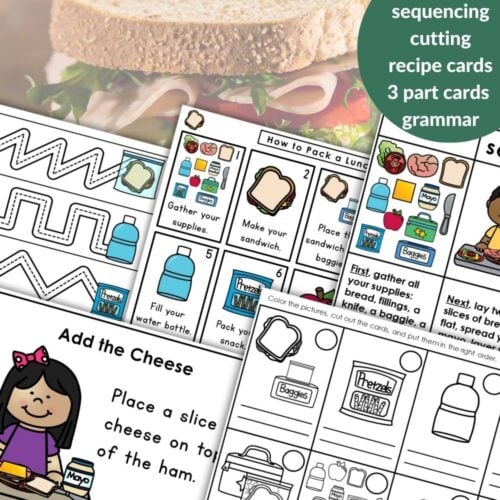
 How to Make and Pack a Sandwich Lunch Daily Routine Chores$4.60
 -
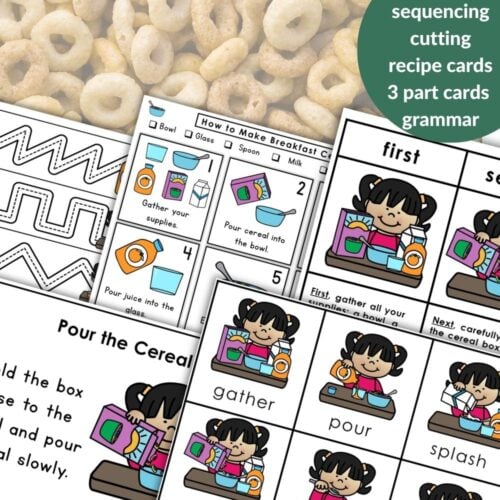
How to Make Breakfast Cereal$4.50
-
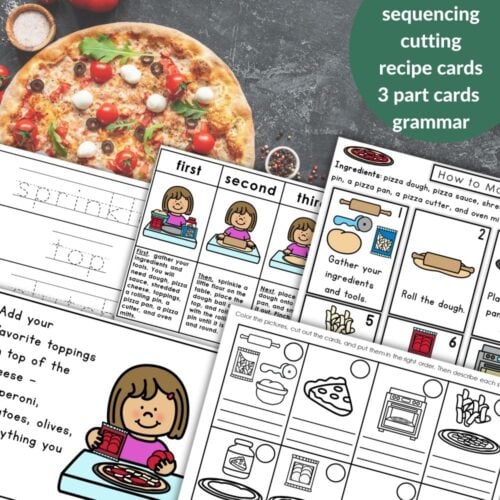
How to Make a Pizza Practical Life Recipe Sequencing Cards$4.60
-
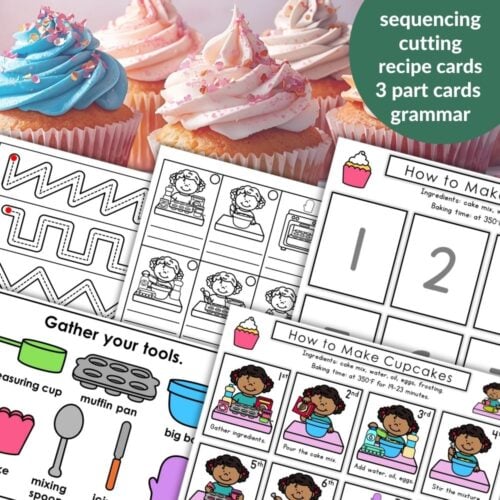
How to Make Cupcakes Practical Life Kitchen Recipe Sequecing Cards$4.60
-
How to Make an Apple Pie Recipe Sequencing Cards$4.60
-
Parts of a Banana Plant Life Cycle Activities$7.10
About Anastasia | Anastasia is an early childhood teacher with over twenty years of experience in Montessori classrooms and homeschooling. With a Master’s in Information Science, she blends education and information design to create clear, organized, research-backed resources. As founder of Montessori Nature, she develops evidence-based, nature-inspired printables that support holistic child development and foster curiosity, independence, and a love of learning. Explore more in her shop and Teachers Pay Teachers store.