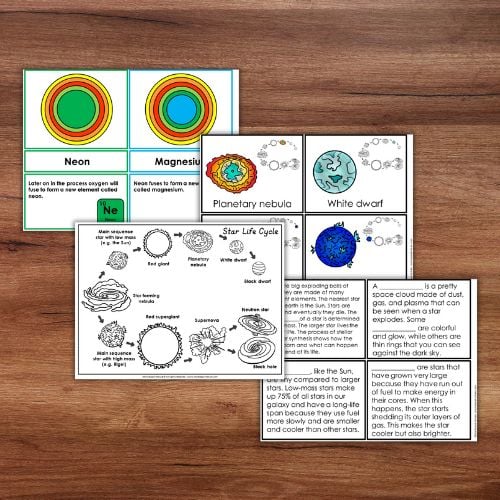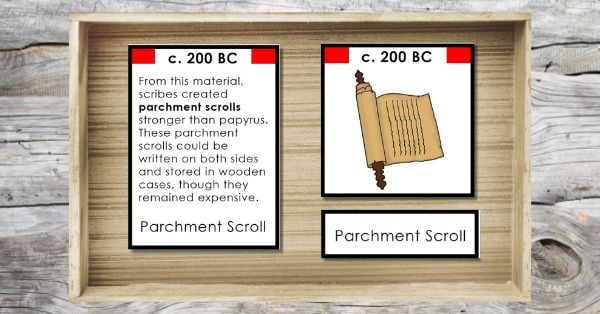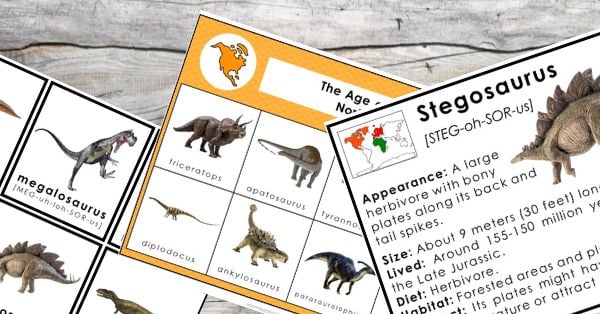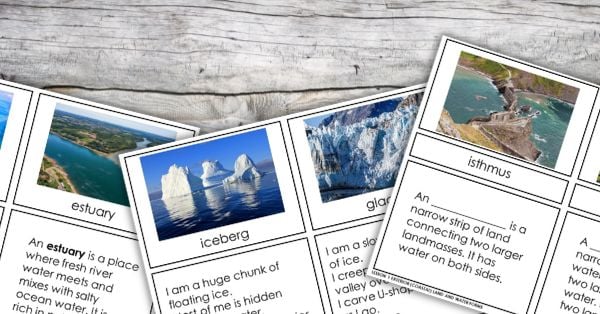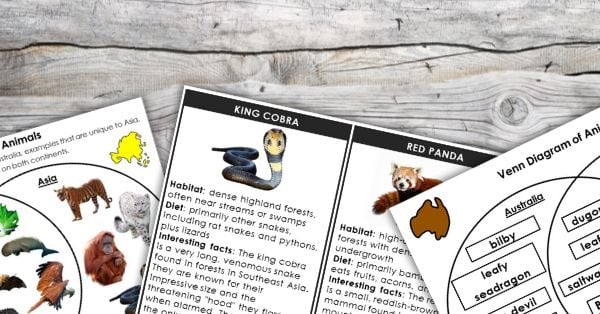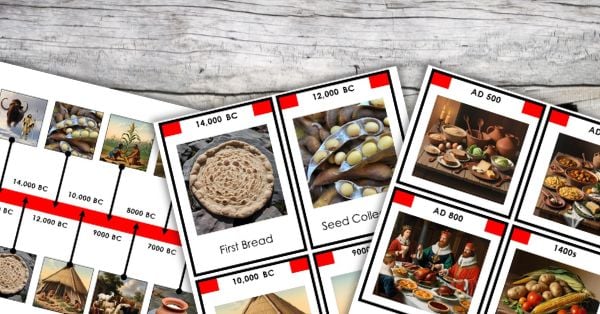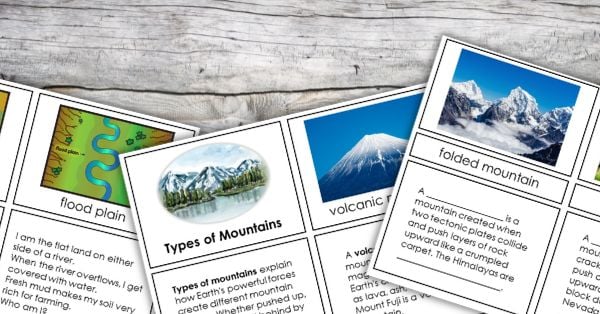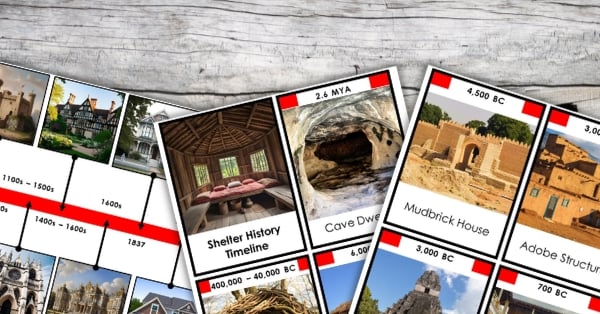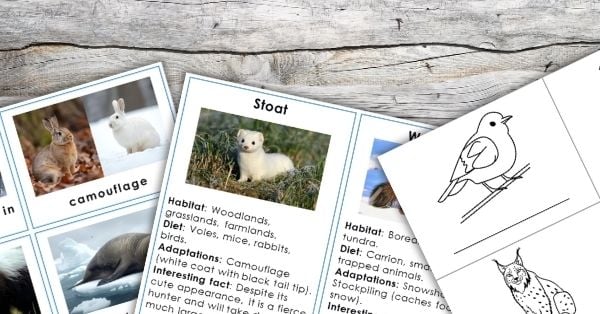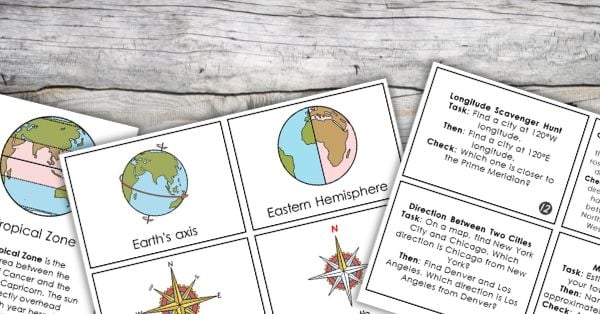
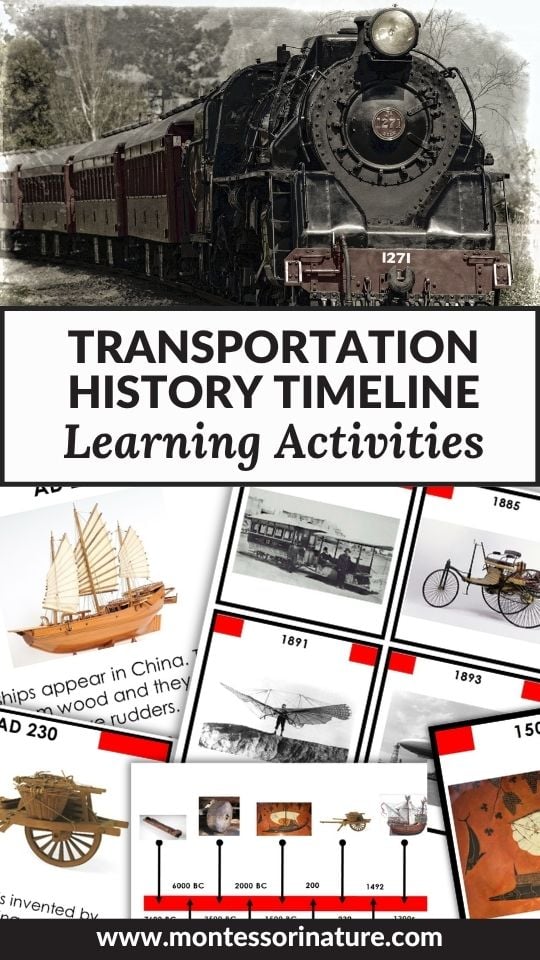
The Transportation History Timeline Printable includes 5‑part cards for 14 key transportation milestones, a timeline overview, and an easy-to-assemble book. You can use it to introduce each invention and provide a visual reference for all your activities.
We need to explore. We need to trade. We need to connect with others beyond our immediate surroundings. This is what transportation history is really about. It is not a collection of machines and vehicles. It is the story of human curiosity, human ingenuity, and human connection.
Transportation is how we say: I want to see what is beyond that hill. I want to share what I have with others. I want to bring the world closer together.
A Journey Through Time

Let me take you on a journey.
Imagine you are a prehistoric human, thousands of years ago. You have no wheels, no roads, no machines. But you have feet. You walk everywhere—following herds, searching for water, exploring new lands. Walking is not just transportation. It is survival.
Then someone has an idea. What if we could make an animal carry our load? You tame a horse, an ox, or a camel. You build a sled or a cart. Suddenly, you can carry more food, more supplies, and more people. Animal-drawn carts transform daily life, allowing communities to trade goods and grow stronger. Art is survival.
Now imagine you are standing on the banks of a river. You need to cross. You tie logs together to make a raft. Later, you hollow out a tree trunk to make a canoe. Eventually, you build a sailing ship that can cross oceans. Ships carry spices, silk, and stories across vast waters. Civilizations that were once isolated become connected. Transportation becomes exploration.
The wheel is invented, and everything changes. The wheel makes it possible to move heavy goods overland. You can build stronger carts and chariots. Roads are built across empires—Roman roads that connect cities and armies. Transportation becomes power.
You are a sailor in the 15th century, clutching a compass that points north. The compass—ancient Chinese technology—has found its way to Europe. It guides you across the open ocean, out of sight of land. You are Columbus, Vasco da Gama, or Magellan. You are discovering new worlds. Transportation becomes discovery.
A Scottish engineer builds a steam engine. Soon, steamships cross the Atlantic in days instead of weeks. Steam locomotives race across continents, carrying people and goods at speeds no one thought possible. The world shrinks. Transportation becomes progress.
You are in the late 1800s, hopping on a bicycle. For the first time, individual people can travel freely and affordably without relying on horses or trains. The bicycle gives freedom to women, factory workers, and schoolchildren. Transportation becomes freedom.
Then the automobile arrives. Henry Ford’s Model T rolls off the assembly line, and suddenly, the average family can travel wherever they want, whenever they want. Roads stretch across the country. Suburbs grow. Transportation becomes opportunity.
Now imagine you are looking up at a plane, soaring through the sky. In just a few decades, humans went from riding horses to flying through the air. The Wright brothers make their first flight, and within generations, passengers are crossing oceans in a matter of hours. Transportation becomes speed.
And finally, you are sitting in a control room, watching a rocket launch. Transportation is no longer confined to our planet. We are reaching for the stars. Transportation becomes imagination.
Why This Matters for Children
Children are natural movers. They run before they walk. They climb before they talk. They are always on the go, always asking, “Where are we going? What is over there?”
But somewhere along the way, many children stop seeing movement as adventure. They forget that every road, every bridge, every vehicle was built by someone who wanted to go somewhere new.
Transportation history can change that.
When children learn that we started by walking, they see the journey. When they discover the wheel was invented thousands of years ago, they realize that every modern vehicle rests on ancient ideas. When they follow the timeline from horses to rockets, they understand that human progress is a story of building on the past.
Transportation history gives children a sense of wonder about movement.
How to Use Transportation History as Inspiration
Here is a step-by-step guide to using transportation history as a foundation for exploration in your classroom or homeschool.
Step 1: Explore the Timeline Together
Begin by introducing the timeline of transportation. Lay out the cards in chronological order—from Walking to Space Travel. Talk about the progression of technology and how each invention built upon the one before it.
Ask questions like:
- What problem did this invention solve?
- What materials did people need?
- How did this invention change people’s lives?
- Display the cards on a wall or bulletin board as a visual reference throughout your study.
Step 2: Focus on One Milestone at a Time
Choose one transportation milestone to explore in depth. Read the definition card together. Look at the representative illustration. Discuss the key characteristics and significance.
Hands-On Activities by Age
Ages 3–6 (Early Childhood)
At this age, children learn through sensory exploration and concrete experiences. Keep activities simple, process-oriented, and focused on the joy of moving.
Walking
- Take a nature walk and notice how animals and people move.
- Trace around your feet on paper and decorate your “footprints.”
- Play follow-the-leader, taking turns leading movements.
Animal-Drawn Carts
- Build a simple cart from a shoebox and string. Pull a toy animal and load it with small objects.
- Play with toy horses and wagons, acting out farm or city scenes.
- Sort toy animals by how they help humans (farm, transport, companionship).
Sailing Ships
- Fold paper boats and float them in water.
- Create a simple raft from twigs and leaves.
- Act out sailing across the ocean, using a cloth as a sail.
The Wheel
- Roll different objects to see which ones roll and which do not.
- Use a toy car and compare rolling it with turning a wagon.
- Paint with wheels—dip toy car wheels in paint and roll across paper.
Roman Roads
- Build a simple road from blocks or LEGO.
- Use string to create a “road” and walk along it.
- Compare walking on smooth and rough surfaces.
The Compass
- Make a simple compass with a magnet and a needle.
- Play “treasure hunt” using directions (north, south, east, west).
- Use a compass while walking outside.
The Caravel
- Build a simple sailboat from foam or wood.
- Race toy boats in a tub of water.
- Look at pictures of explorers and their ships.
- Watch steam rise from a kettle and talk about how steam can push things.
- Make a simple windmill or pinwheel to show how force creates movement.
- Act out being a steam train, making “choo-choo” sounds.
Steamship
- Fold paper boats and add a “steam” feature (cotton balls).
- Compare a rowboat to a steamship.
- Act out a ship voyage, complete with tickets and a captain’s hat.
Steam Locomotive
- Use blocks or cardboard to build a train.
- Line up chairs to make a train and take turns being the conductor.
- Sing train songs and move around the room like a locomotive.
Bicycle
- Draw a bicycle and add wheels that really turn.
- Practice balancing on a balance bike or scooter.
- Talk about how pedals make the wheels go around.
Automobile
- Build a car from a cardboard box and go for a “drive.”
- Draw a traffic scene with cars, roads, and traffic lights.
- Play “car” on a balance board or scooter.
Airplane
- Make paper airplanes and watch them fly.
- Act out being a pilot, taking passengers across the sky.
- Look at pictures of different airplanes.
Space Travel
- Draw a rocket ship and add a countdown.
- Act out being an astronaut, floating in space.
- Build a rocket from paper tubes and launch it (playfully).
Ages 6–9 (Lower Elementary)
At this age, children can handle more detail and longer projects. They enjoy research, comparing modes of transport, and building models.
Walking
- Research how early humans migrated across continents.
- Create a map showing human migration routes.
- Write a diary entry as a prehistoric traveler.
Animal-Drawn Carts
- Research the domestication of horses, camels, and oxen.
- Build a model cart from craft sticks and wheels.
- Compare different types of animal-drawn vehicles.
Sailing Ships
- Research the history of sail and how wind powers boats.
- Build a model sailboat and test it in water.
- Draw and label the parts of a sailing ship.
The Wheel
- Research the invention of the wheel and how it spread.
- Create a timeline of wheeled vehicles.
- Build a simple wheeled cart from cardboard and axles.
Roman Roads
- Research Roman road-building techniques.
- Build a model road with layers (stones, gravel, sand).
- Create a map of Roman roads across Europe.
The Compass
- Research how the compass was used in exploration.
- Create a simple compass and explain how it works.
- Draw a map and use a compass to find directions.
The Caravel
- Research the caravel and its role in the Age of Exploration.
- Build a model caravel from paper or cardboard.
- Write a report on a famous explorer.
Steam Engine
- Research how steam power works and its inventors.
- Build a simple steam engine model (from a kit or online instructions).
- Compare steam power to muscle power.
Steamship
- Research the first steamships and their impact.
- Compare steamship travel to sailing ship travel.
- Build a model steamship with a paddlewheel.
Steam Locomotive
- Research the history of trains and railroads.
- Build a model train from cardboard or LEGO.
- Draw a map of a railroad network.
Bicycle
- Research the history of the bicycle.
- Design and draw your own bicycle.
- Compare bicycles to other forms of individual transport.
Automobile
- Research the invention of the automobile and Henry Ford.
- Build a model car from recycled materials.
- Draw a timeline of automobile development.
Airplane
- Research the Wright brothers and early flight.
- Build a model airplane.
- Draw a diagram showing how airplanes fly.
Space Travel
- Research the history of space exploration.
- Build a model rocket.
- Write a report on a famous astronaut.
Ages 9–12 (Upper Elementary)
At this age, children are ready for independent research, in-depth analysis, and sophisticated projects.
Walking
- Research human migration and its impact on civilization.
- Create a detailed map of early human migration.
- Write a research paper on the importance of walking.
Animal-Drawn Carts
- Research the economic and social impact of animal transport.
- Compare animal-drawn vehicles across cultures.
- Write a report on the domestication of animals.
Sailing Ships
- Research the impact of sail on global exploration and trade.
- Build a detailed model of a specific ship.
- Write a report on the Age of Exploration.
The Wheel
- Research the wheel’s impact on civilization.
- Compare wheeled vs. wheel-less societies.
- Write an essay on the importance of the wheel.
Roman Roads
- Research the engineering of Roman roads.
- Build a detailed model road system.
- Write a report on the Roman Empire’s transportation network.
The Compass
- Research the science of navigation.
- Create a detailed map with compass directions.
- Write a report on the compass’s role in exploration.
The Caravel
- Research the caravel’s design and its role in exploration.
- Build a detailed model caravel.
- Write a biography of a caravel explorer.
Steam Engine
- Research the Industrial Revolution and steam power.
- Build a working model steam engine.
- Write a research paper on James Watt and his invention.
Steamship
- Research the impact of steamships on global trade.
- Compare steamships to earlier ships.
- Write a report on transatlantic travel.
Steam Locomotive
- Research the history of railroads and their impact on settlement.
- Build a detailed model train layout.
- Write a report on the First Transcontinental Railroad.
Bicycle
- Research the social impact of bicycles on women and the working class.
- Design and draw a modern bicycle.
- Write a report on the history of cycling.
Automobile
- Research the impact of automobiles on cities and culture.
- Build a detailed model car.
- Write a persuasive essay on the future of cars.
Airplane
- Research the science of aviation.
- Build a detailed model airplane.
- Write a report on the history of commercial aviation.
Space Travel
- Research the Space Race and its scientific legacy.
- Build a detailed model rocket.
- Write a report on the future of space exploration.
Step 3: Compare and Contrast
Ask children to compare two modes of transport side by side. For example:
- How is a sailing ship different from a steamship?
- What makes a bicycle different from an automobile?
- How did trains change travel compared to horse-drawn carts?
- How does space travel compare to early sea exploration?
Use the 5‑part cards to guide the conversation. The definition cards provide key characteristics, major milestones, and significance for each invention.
Step 4: Create a Personal Transportation Timeline
Invite children to create their own transportation history timeline—but with their own experiences. Have them draw how they have traveled in their lifetime (walking, biking, car, train, plane, boat). They can also interview grandparents about how transportation has changed during their lives.
This is a powerful way for children to see themselves as part of the story. They are not just observers of transportation history—they are participants in it.
Transportation is not just about machines. It is about what people value.
Walking was survival and exploration.
Animal-drawn carts were community and trade.
Ships were connection and discovery.
Roads were power and unity.
The compass was curiosity and courage.
Steam power was progress and industry.
Bicycles were freedom and independence.
Automobiles were opportunity and mobility.
Airplanes were speed and global unity.
Space travel is imagination and the human spirit.
When children understand this, they begin to see transportation everywhere—in the roads they drive on, the planes they see in the sky, the ships that carry goods across oceans. They understand that transportation is not separate from life. It is life.
“The journey, not the arrival, matters.” —T.S. Eliot
Transportation history shows us that movement is not a luxury. It is a fundamental human need. It is how we explore. It is how we connect. It is how we grow.
When you share transportation history with your students, you are doing more than teaching facts. You are giving them a foundation for curiosity. You are showing them that they, too, belong to the great story of human exploration.
And who knows? One day, they might be the ones inventing the next way to move.
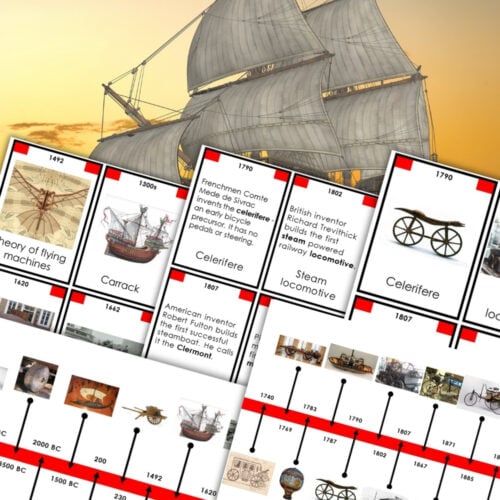


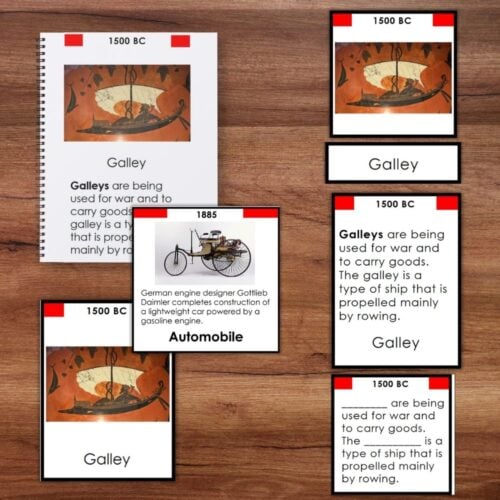
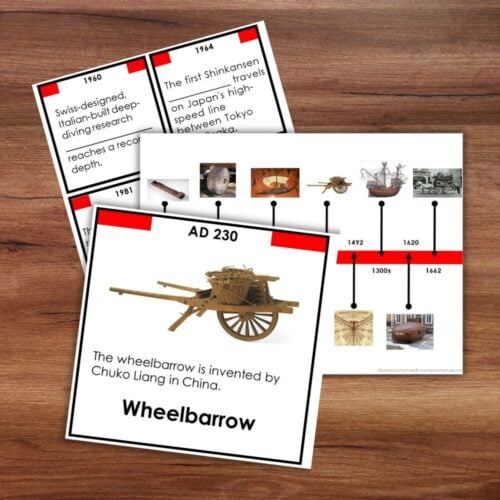
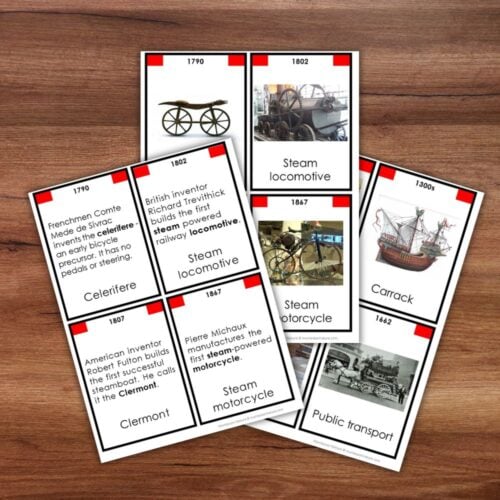
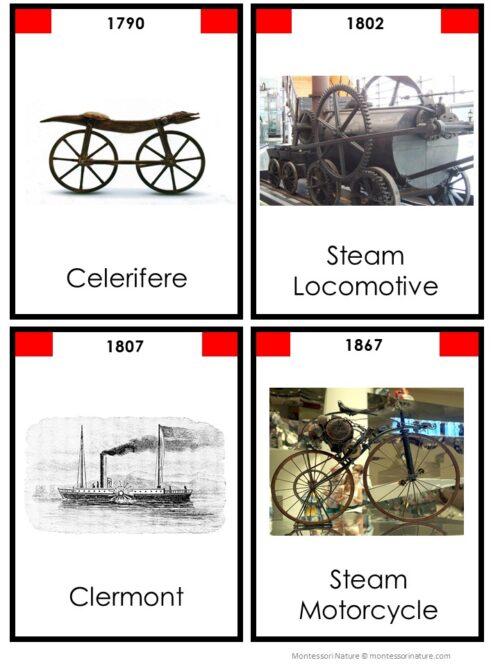
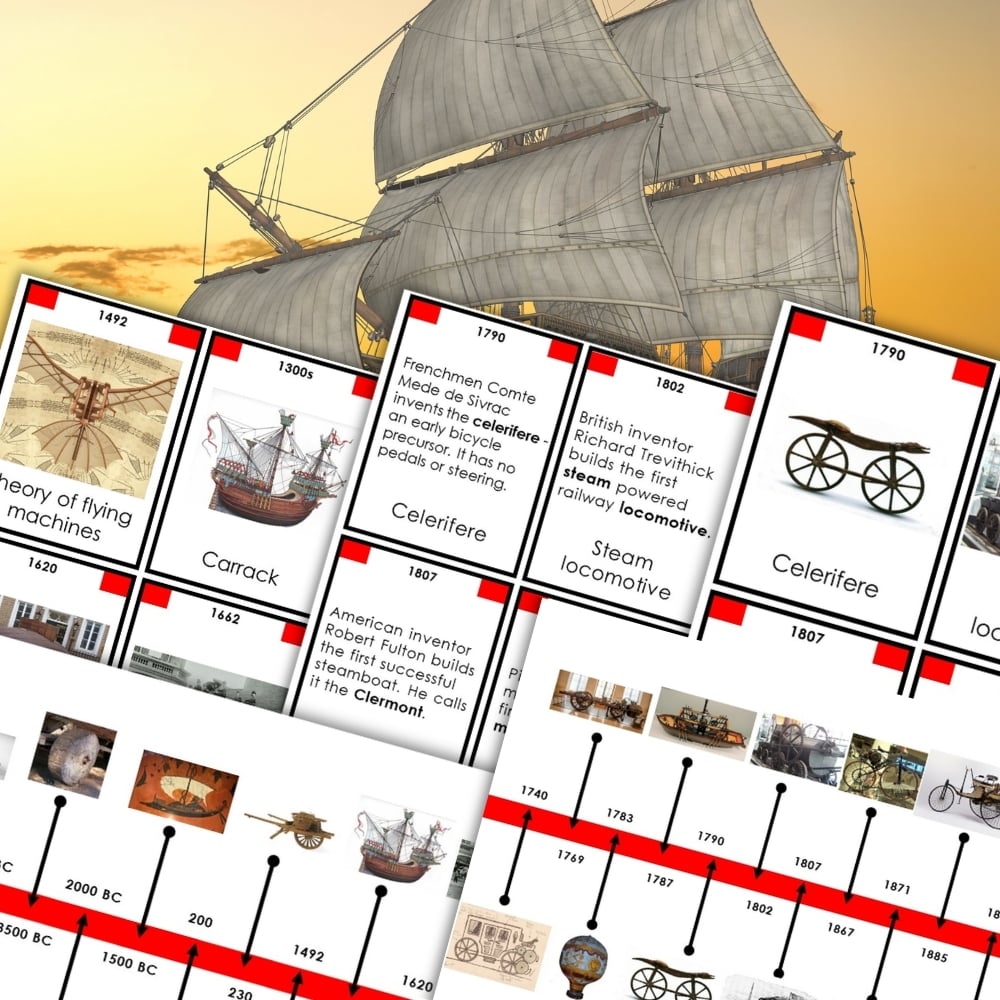


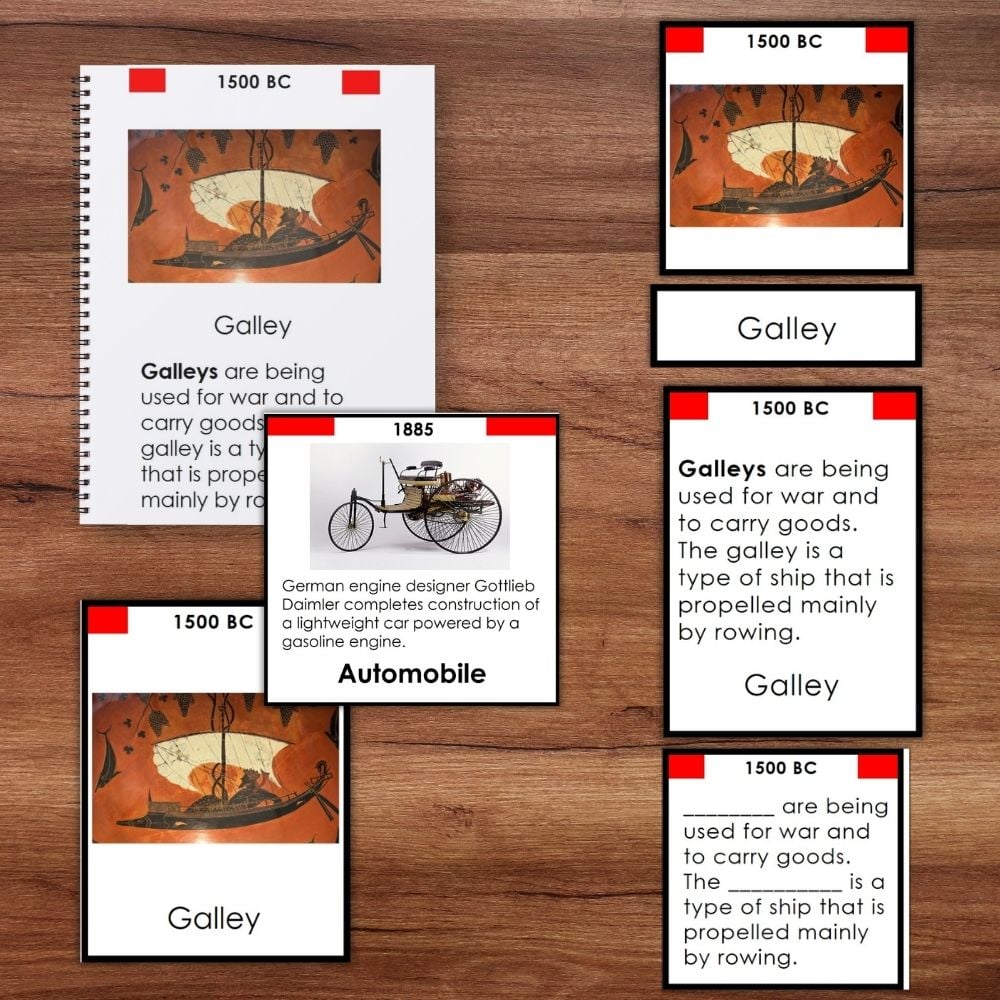
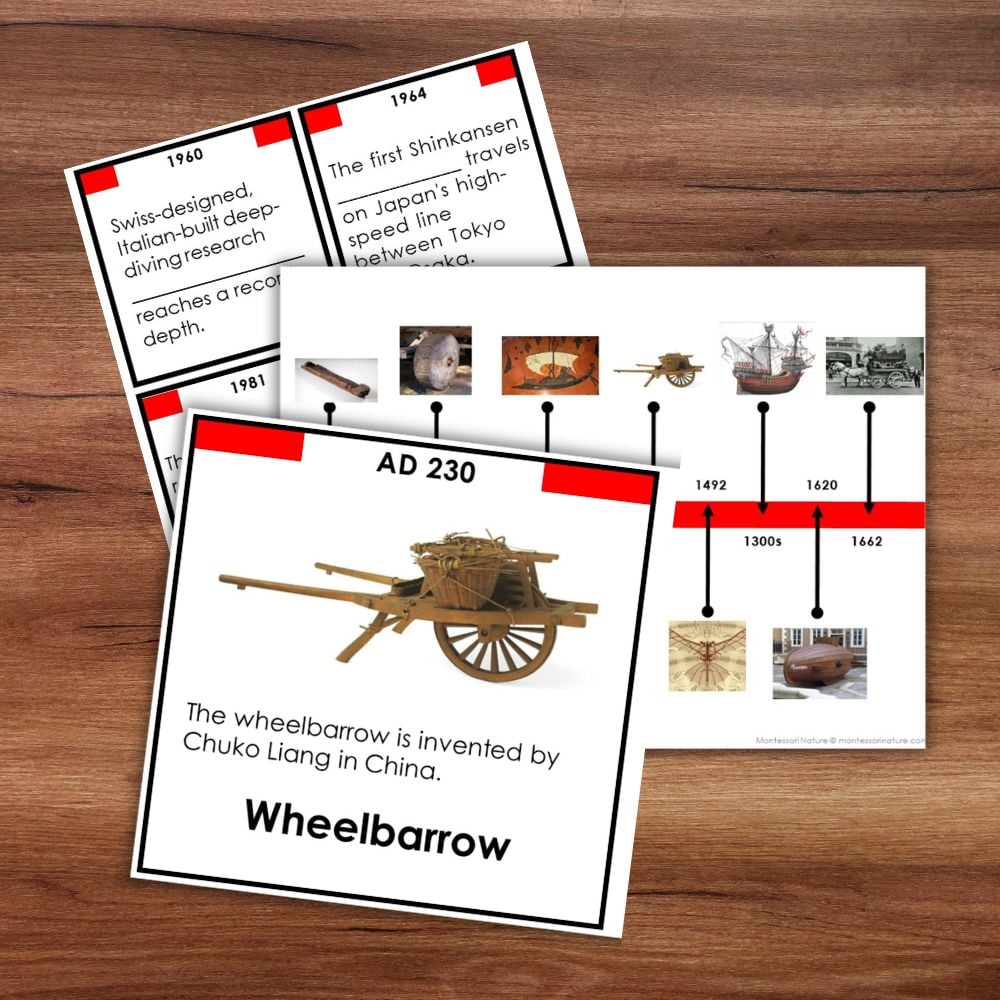
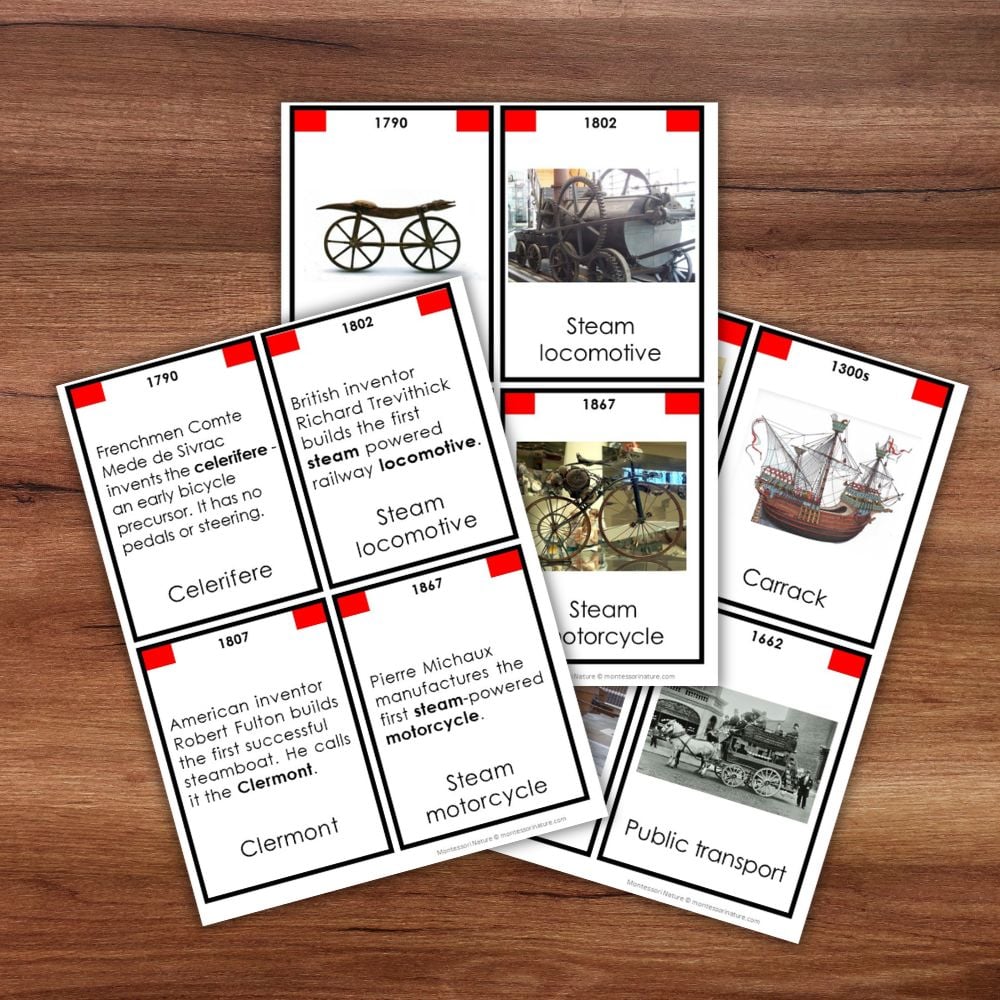
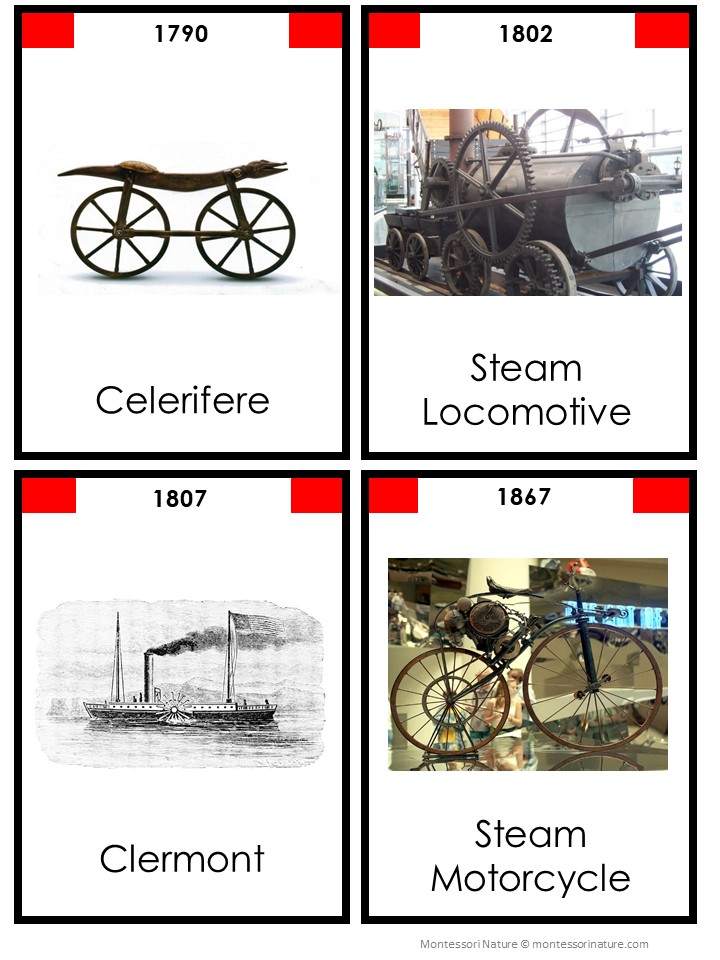
Transportation History Timeline: 5 Part Cards
This Montessori-inspired Timeline of Transportation Printable for the classroom or homeschool can be a helpful addition to history and science curriculum. This resource is designed to support hands-on, inquiry-based learning for students exploring the evolution of technology and human innovation.
You Might Also Enjoy
-
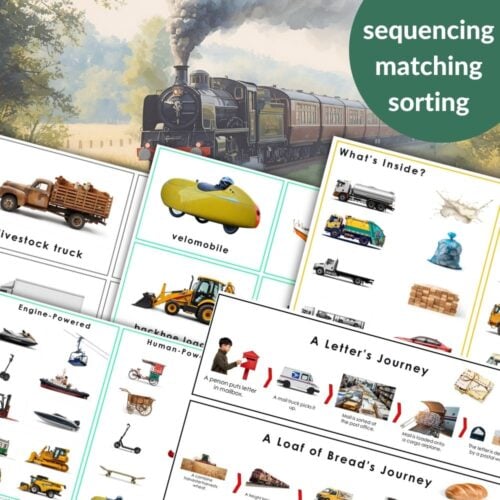
 Transportation Activities: Sorting, Matching & Sequencing$4.10
 -
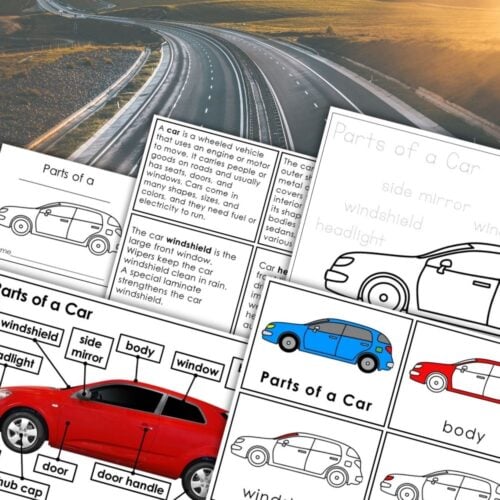
Parts of a Car: 3 Part Cards Diagram Blackline Master$4.30
-
Train Travel 3 Part Cards Information$3.30
-
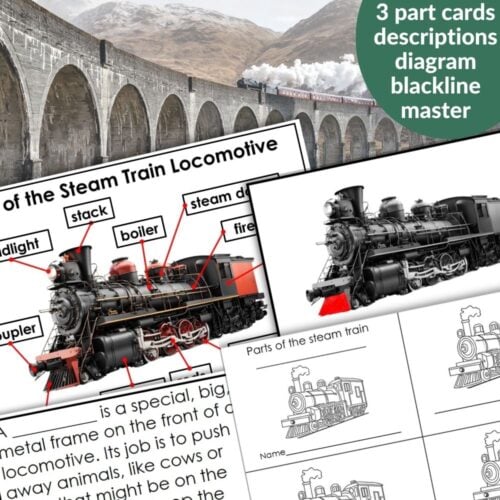
Parts of the Steam Train Locomotive 3 Part Cards Blackline Master Activities$4.30
-
Train Cars: Safari TOOB Compatible 3 Part Cards Facts$3.10
-
Transportation Hands On Activity Pack: 3 Part Cards Blackline Master Worksheets$7.10



About Anastasia | Anastasia is an early childhood teacher with over twenty years of experience in Montessori classrooms and homeschooling. With a Master’s in Information Science, she blends education and information design to create clear, organized, research-backed resources. As founder of Montessori Nature, she develops evidence-based, nature-inspired printables that support holistic child development and foster curiosity, independence, and a love of learning. Explore more in her shop and Teachers Pay Teachers store.