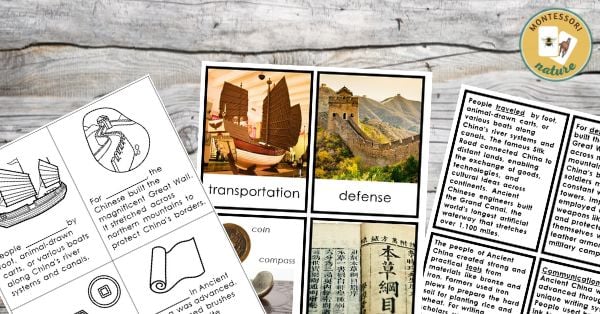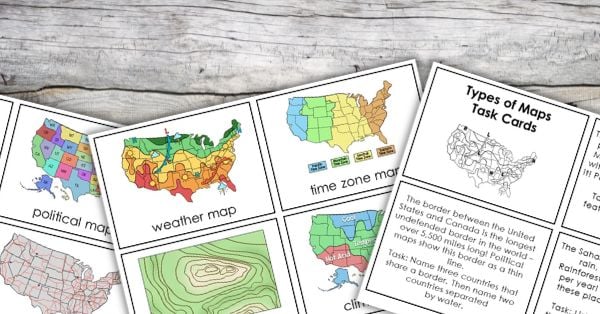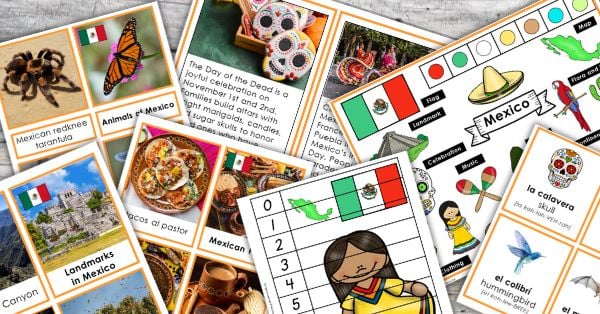
Have you ever watched a child build a fort out of blankets and pillows—really build it—and wondered what they are thinking? Shelter is one of those subjects that naturally sparks curiosity. That is why I created the Shelter History Timeline Printable—a complete set of 5‑part cards, timeline overview, and easy‑to‑assemble book that helps children explore key shelter milestones from cave dwellings to smart homes.
This resource is perfect for Montessori classrooms, homeschoolers, and any educator who wants to bring the story of human shelter to life through hands‑on learning. It builds vocabulary, chronological understanding, and a deep appreciation for how human ingenuity has protected families from the elements and created spaces for community, culture, and creativity. It also connects beautifully to the study of Fundamental Human Needs—specifically the human need for shelter, safety, and community.
But before I tell you more about the printable, let me take you on a journey through the history of shelter itself.
The Human Need for Shelter

In Montessori education, we talk about Fundamental Human Needs—the basic requirements that all people, across time and culture, have worked to fulfill. We need food and water, clothing and beauty. But we also need something else. Something that has protected us since the very beginning.
We need shelter.
We need a place to feel safe. We need a place to rest. We need a place to gather with family and community. This is what shelter history is really about. It is not a collection of building materials and architectural styles. It is the story of human safety, human ingenuity, and human community.
Shelter is how we say: I am home. I am safe. I belong here.
A Journey Through Shelter
Let me take you on a journey.
Imagine you are an early human, thousands of years ago. You find a cave. It is dark and damp, but it protects you from the wind, rain, and predators. It is the first home—a natural shelter. Shelter becomes safety.
You begin to move. You follow animal migrations, searching for food. You need a home that can travel with you. You build huts and tents—portable shelters made from animal hides, wood, and bones. You can pack them up and carry them wherever you go. Shelter becomes portable.
You settle down. You learn to farm. You build wattle and daub homes—a wooden framework covered in clay, mud, and straw. These walls are strong and well-insulated. Shelter becomes permanent.
You discover mud. You shape it into bricks and leave them in the sun to dry. Mudbrick houses rise in towns and cities. They are sturdy and durable. Shelter becomes urban.
You live in a hot, dry place. You build adobe structures—sun-dried clay bricks that keep the heat out and the interiors cool. Shelter becomes climate‑smart.
You find stone. You build stone structures—massive, lasting monuments that show engineering skill and social cooperation. Ziggurats rise in Mesopotamia, and Stonehenge stands in England. Shelter becomes monumental.
You are in ancient Greece. You build Greek houses with open courtyards and shaded areas for socializing with friends and family. Shelter becomes community.
You are in ancient Rome. You build Roman houses—fancy villas with beautiful gardens, open atriums, and rich decorations that show off your wealth. Shelter becomes status.
You need to defend your home. You build castles with fortified walls, towers, and moats. They are homes, but they are also fortresses. Shelter becomes defense.
You build Gothic architecture—pointed arches and flying buttresses that create tall, light-filled sacred spaces. Shelter becomes spiritual.
You are in Tudor England. You build Tudor houses with visible wooden beams and fancy roof decorations. Shelter becomes style.
You build Baroque palaces—grand, extravagant buildings with dramatic architecture and lavish decorations. Shelter becomes luxury.
You build Victorian houses with fancy designs, bay windows, and ornamental details. Shelter becomes individuality.
You embrace Modernism—keeping things simple and practical with new materials like steel, glass, and reinforced concrete. Shelter becomes innovation.
And today, you build smart homes with technology that saves energy, enhances safety, and automatically adjusts lights and temperature. Shelter becomes intelligent.
Shelter history is a story of safety, ingenuity, and community. It is a story that begins with a cave and continues with smart technology in our homes. It is a story of human beings, building a place to say: I am home.
Why This Matters for Children
Children love building. They build forts, towers, and cities with blocks, blankets, and cardboard boxes. They are natural architects and engineers, drawn to the magic of creating a space that is their own.
But somewhere along the way, many children stop building. They stop experimenting. They forget that every home they see was once an idea in someone’s mind.
Shelter history can change that.
When children learn that the first homes were caves, they appreciate the comfort of their own beds. When they discover that people once built homes from mud and straw, they understand the power of creativity. When they see how shelters evolved from simple huts to smart homes, they realize that progress is built on curiosity and ingenuity.
Shelter history gives children a sense of wonder about the spaces they call home.
How to Use Shelter History as Inspiration
Here is a step-by-step guide to using shelter history as a foundation for exploration in your classroom or homeschool.
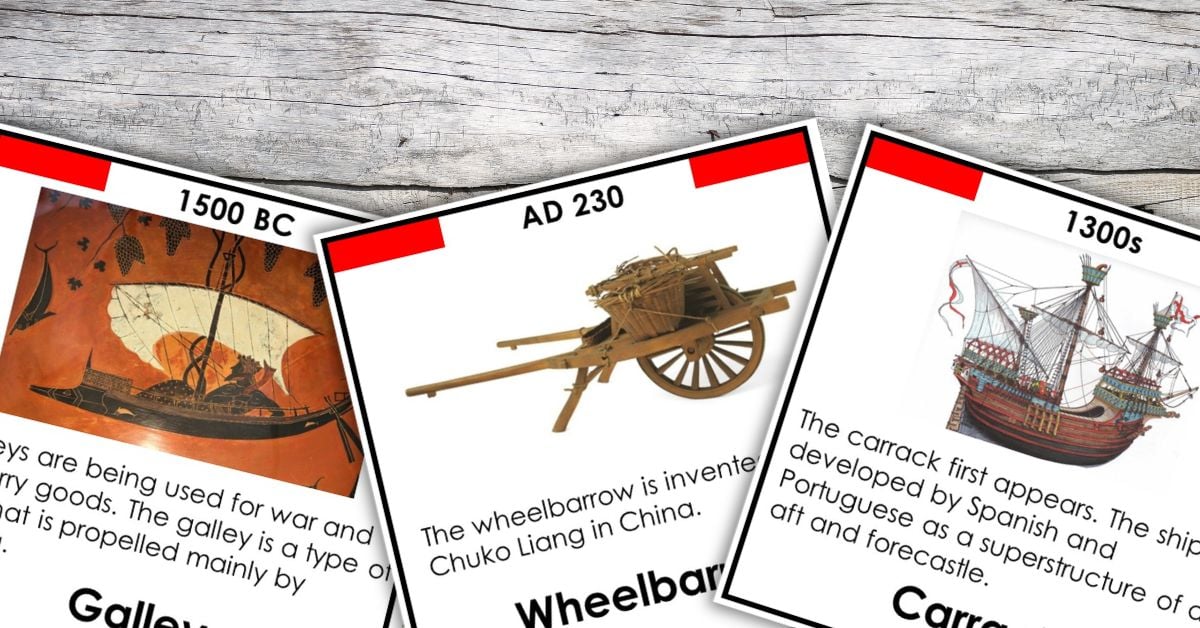
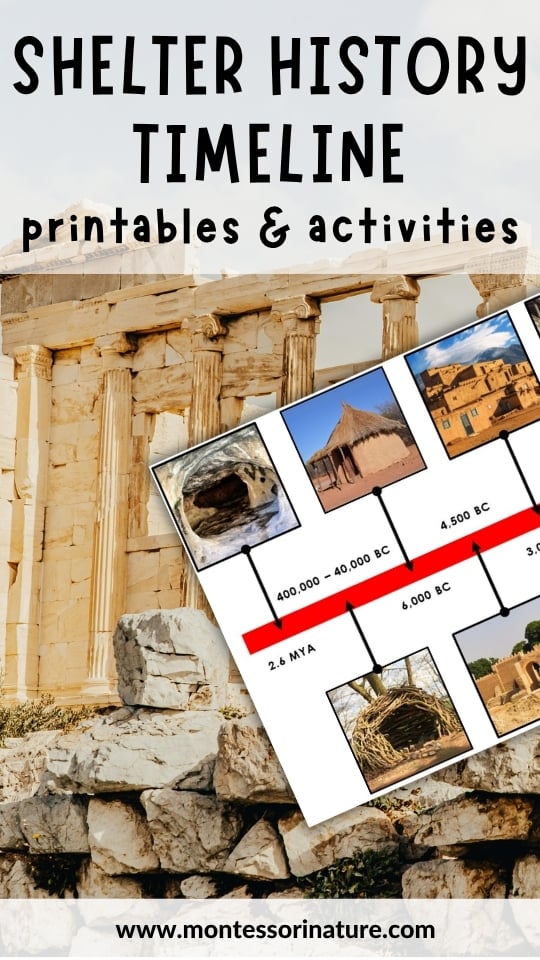
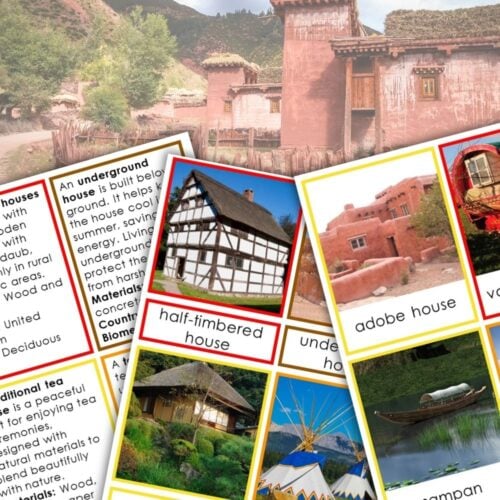
The Shelter History Timeline Printable includes 5‑part cards for key shelter milestones, a timeline overview, and an easy-to-assemble book. You can use it to introduce each invention and provide a visual reference for all your activities.
Step 1: Explore the Timeline Together
Begin by introducing the timeline of shelter. Lay out the cards in chronological order—from Cave Dwelling to Smart Homes. Talk about the progression of building techniques and how each invention built upon the one before it.
Ask questions like:
- What problem did this building technique solve?
- How did this shelter keep people safe?
- What materials did people use, and why?
Display the cards on a wall or bulletin board as a visual reference throughout your study.
Step 2: Focus on One Milestone at a Time
Choose one shelter milestone to explore in depth. Read the definition card together. Look at the representative illustration. Discuss the key characteristics, materials, and significance.
Step 3: Compare and Contrast
Ask children to compare two shelter milestones side by side. For example:
- How is a cave dwelling different from a mudbrick house?
- What makes a castle different from a Victorian house?
- How does a modernist house compare to a smart home?
Use the 5‑part cards to guide the conversation.
Step 4: Create a Personal Shelter Timeline
Invite children to create their own shelter timeline—but with their own homes. Have them draw or write about the places they have lived, comparing them to historical shelters. They can also interview grandparents about how homes have changed during their lives.
This is a powerful way for children to see themselves as part of the story.
Hands-On Activities
Ages 3–6 (Early Childhood)
At this age, children learn through sensory exploration and concrete experiences. Keep activities simple, process-oriented, and focused on the joy of building.
- Building & Construction
- Build a “cave” with blankets over chairs
- Build a simple tent with a sheet over a table
- Build a “mudbrick” house using playdough or clay
- Build a castle with blocks or cardboard tubes
- Build a house with wooden beams using craft sticks
- Build a simple, practical house with blocks
- Build a house and add “technology” (paper buttons)
Pretend Play & Creative Expression
- Play at being a nomad, carrying your “home” with you
- Act out being a knight in a castle
- Create a “cave painting” mural with brown paper and charcoal
- Pretend the lights and heat turn on automatically in a smart home
- Draw a picture of a cave, tent, mudbrick house, castle, or modern home
- Go on a “shelter walk” and point out different houses in your neighborhood
Ages 6–9 (Lower Elementary)
At this age, children can handle more detail and longer projects. They enjoy research, comparing building techniques, and creating projects.
Research & Hands-On Construction
- Research early shelters (Lascaux Caves, Sami tents, Glastonbury Lake Village)
- Build models of different shelter types (skin tents, wattle and daub walls, mudbrick houses)
- Make sun-dried mud bricks
- Build model castles, Greek houses, Roman villas, or Tudor houses
- Create a pointed arch inspired by Gothic cathedrals
- Build a model modernist house using simple materials
Writing & Presentations
- Write reports on how early humans used caves or built portable shelters
- Write reports on ancient building techniques and materials
- Write reports on castle defenses, Gothic features, or Victorian style
- Create a mini-presentation on their favorite shelter milestone
- Write a diary entry as if living in a castle or Victorian house
Community Connections
- Visit a local historical house or building
- Interview a family member about their childhood home
- Take photos of different architectural styles in the neighborhood
- Create a “shelter scrapbook” with pictures and descriptions of local buildings
Ages 9–12 (Upper Elementary)
At this age, children are ready for independent research, in-depth analysis, and sophisticated projects.
In-Depth Research
- Research prehistoric shelters and early human dwellings
- Compare and contrast ancient building techniques (wattle and daub, mudbrick, adobe)
- Research stone structures (ziggurats, Stonehenge) and their engineering
- Compare Greek and Roman housing and domestic life
- Research medieval castles and Gothic cathedrals
- Compare Tudor, Baroque, and Victorian architectural styles
- Research modernist architects (Frank Lloyd Wright, Le Corbusier)
- Research sustainable building and smart home technology
Creative & Analytical Projects
- Create a detailed timeline of shelter evolution
- Build a model of a stone structure (ziggurat or Stonehenge)
- Design a smart home of the future with labeled features
- Compare castle vs. cathedral construction
- Compare and contrast architectural styles (Tudor vs. Victorian, Modernism vs. Smart Homes)
- Write a persuasive essay on sustainable building practices
- Debate: “Which architectural style is the most innovative?”
- Create a 3D model or digital design of an ideal home
Field Studies
- Plan a field trip to a museum, historical house, or architectural landmark
- Sketch buildings in your community and identify their style
- Research local architects and their contributions
- Study how climate and environment influence building design in different regions
All Ages (Shared & Collaborative Activities)
Timeline Building: Arrange the 5‑part cards in chronological order
- Matching Work: Match picture cards to label cards and self-correct with control cards
- Cloze Practice: Complete cloze cards and self-correct with definition cards
- Compare and Contrast: Compare two shelter milestones using a Venn diagram
- Group Timelines: Work in pairs to build a giant timeline on the wall
- Material Exploration: Collect and compare building materials (wood, stone, clay, brick, glass, plastic)
- Shelter Walk: Take a walk in the neighborhood and identify different architectural styles
- Interview Project: Interview grandparents about how homes have changed during their lives
- Mini Museum: Create a classroom “Shelter Museum” with models, drawings, and descriptions
- Art Project: Draw or paint homes from different historical periods
Connecting to Home and Culture
Shelter is not just about materials. It is about what people value.
Cave dwellings were safety.
Huts and tents were portability.
Wattle and daub was permanence.
Mudbrick houses were strength.
Adobe was climate adaptation.
Castles were defense.
Gothic cathedrals were spirituality.
Tudor houses were style.
Modernism was simplicity.
Smart homes are convenience.
When children understand this, they begin to see shelter everywhere—in their own homes, in the buildings around them, in the stories of their families. They understand that shelter is not separate from life. It is life.
“Home is not a place, it is a feeling.”
Shelter history shows us that building a home is not a luxury. It is a fundamental human need. It is how we stay safe. It is how we create community. It is how we find belonging.
When you share shelter history with your students, you are doing more than teaching facts. You are giving them a foundation for curiosity. You are showing them that they, too, belong to the great story of building.
And who knows? One day, they might be the ones designing the homes of the future.
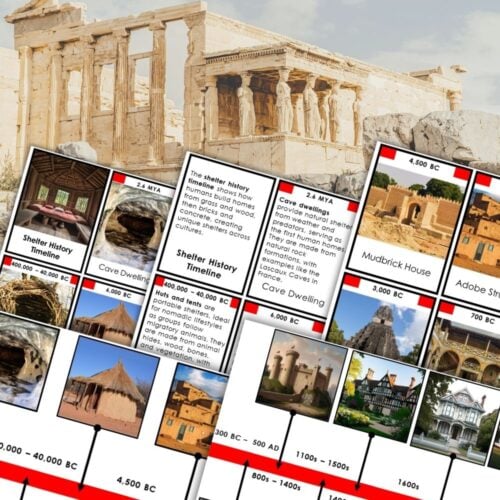
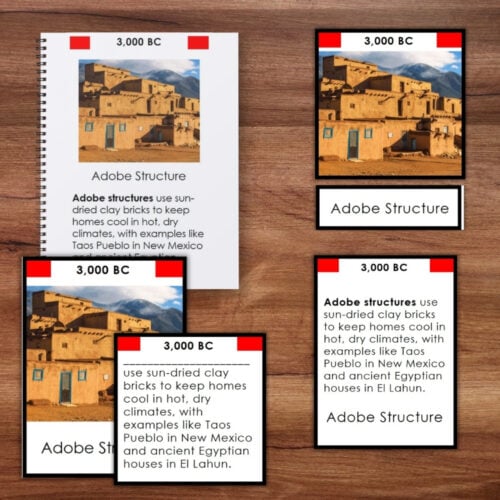
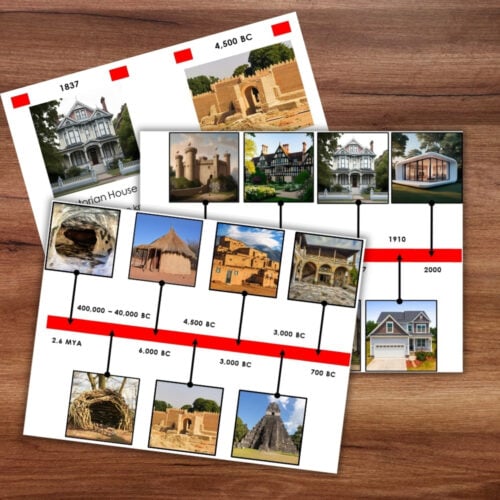
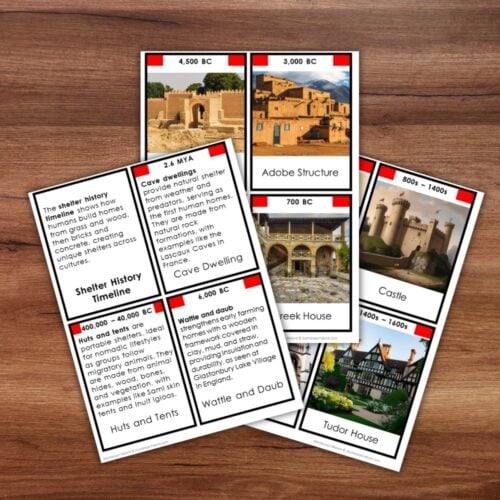
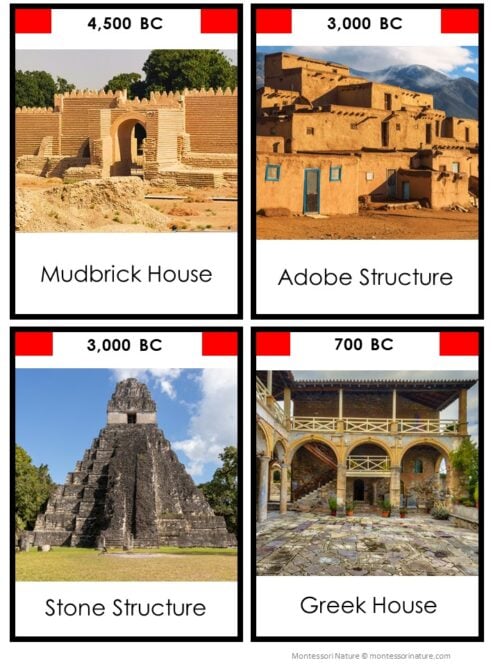
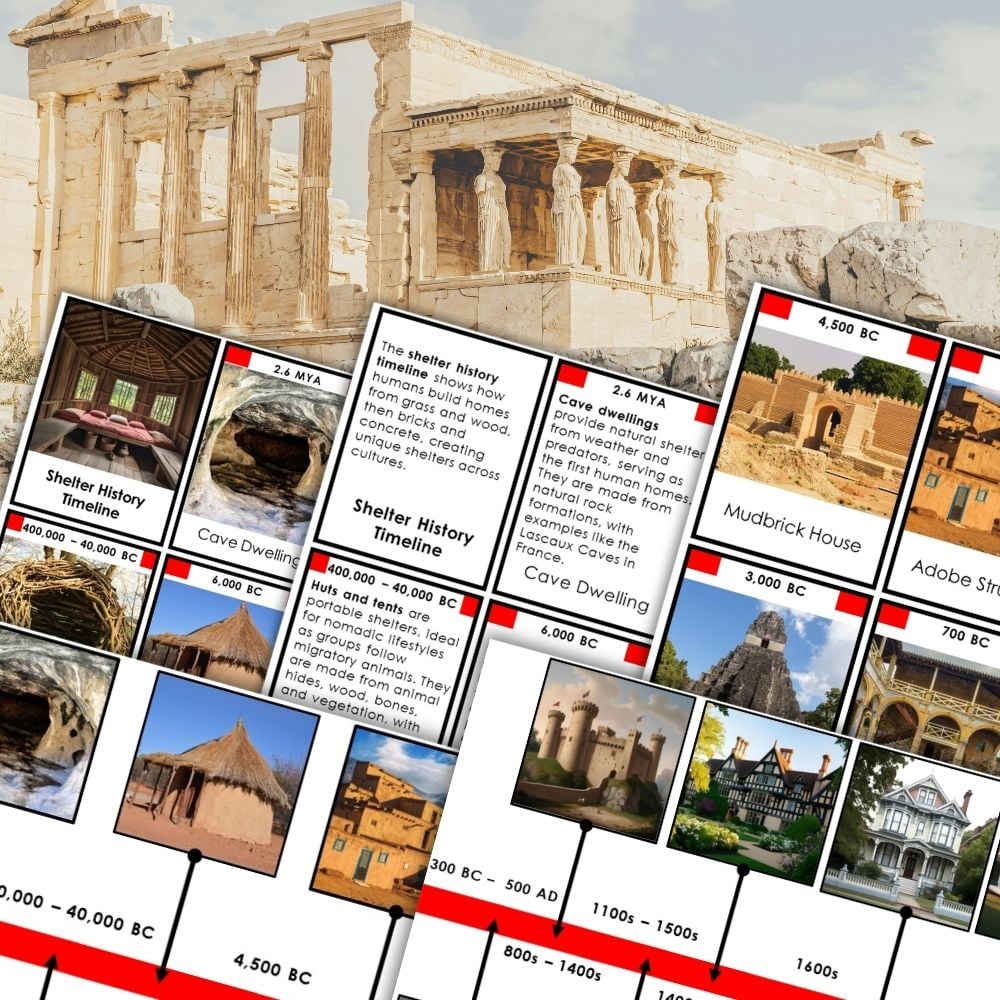
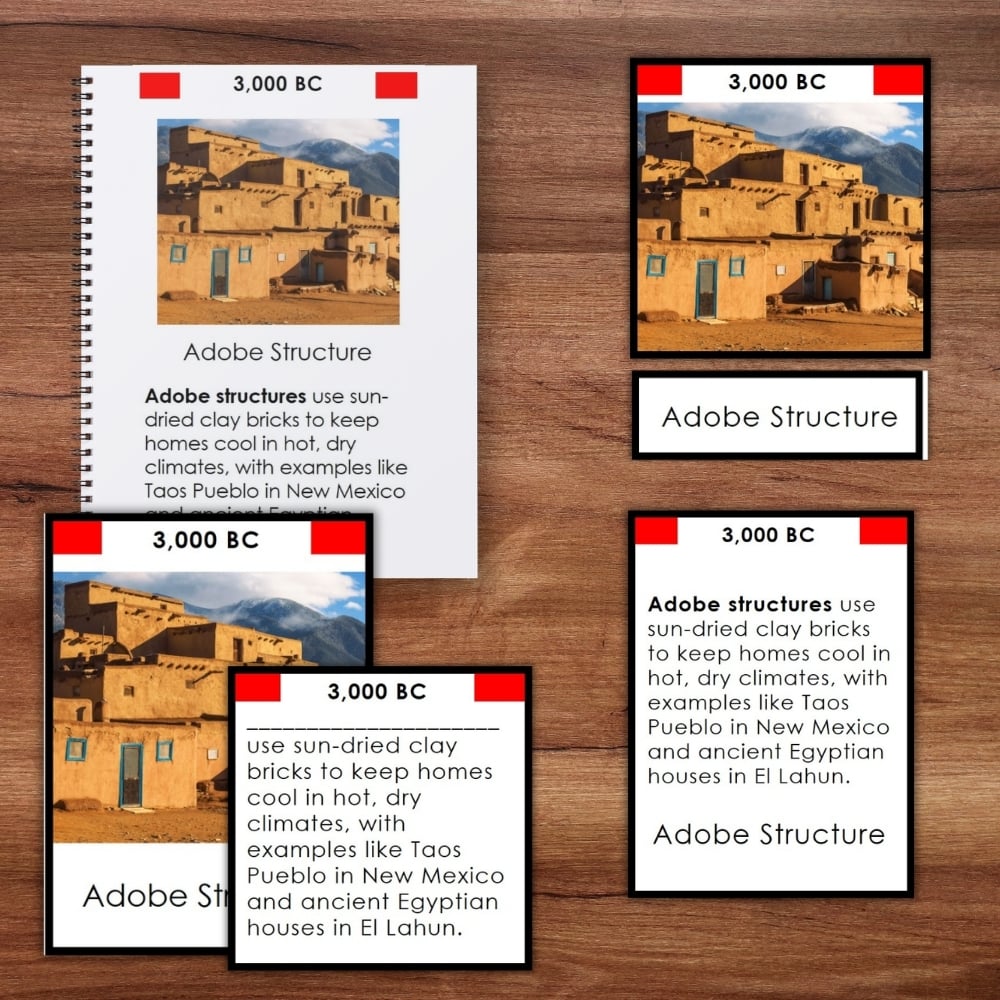
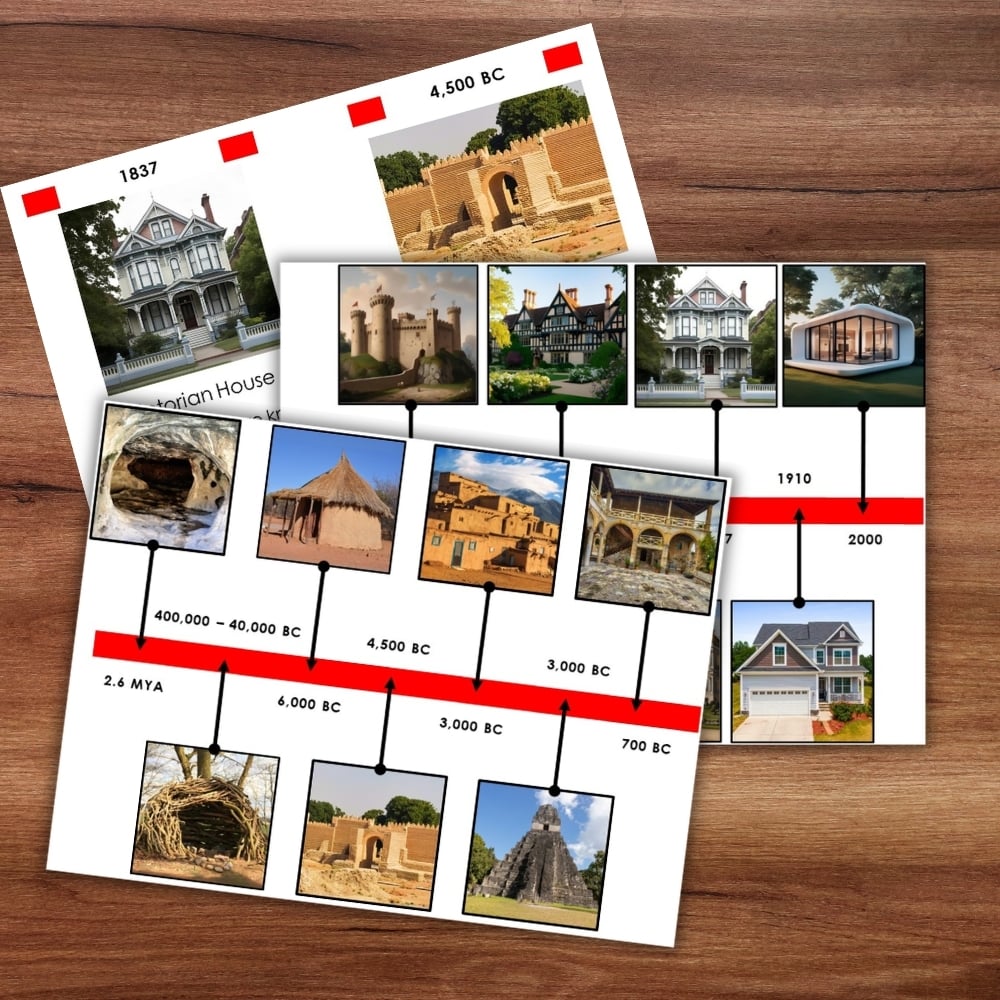
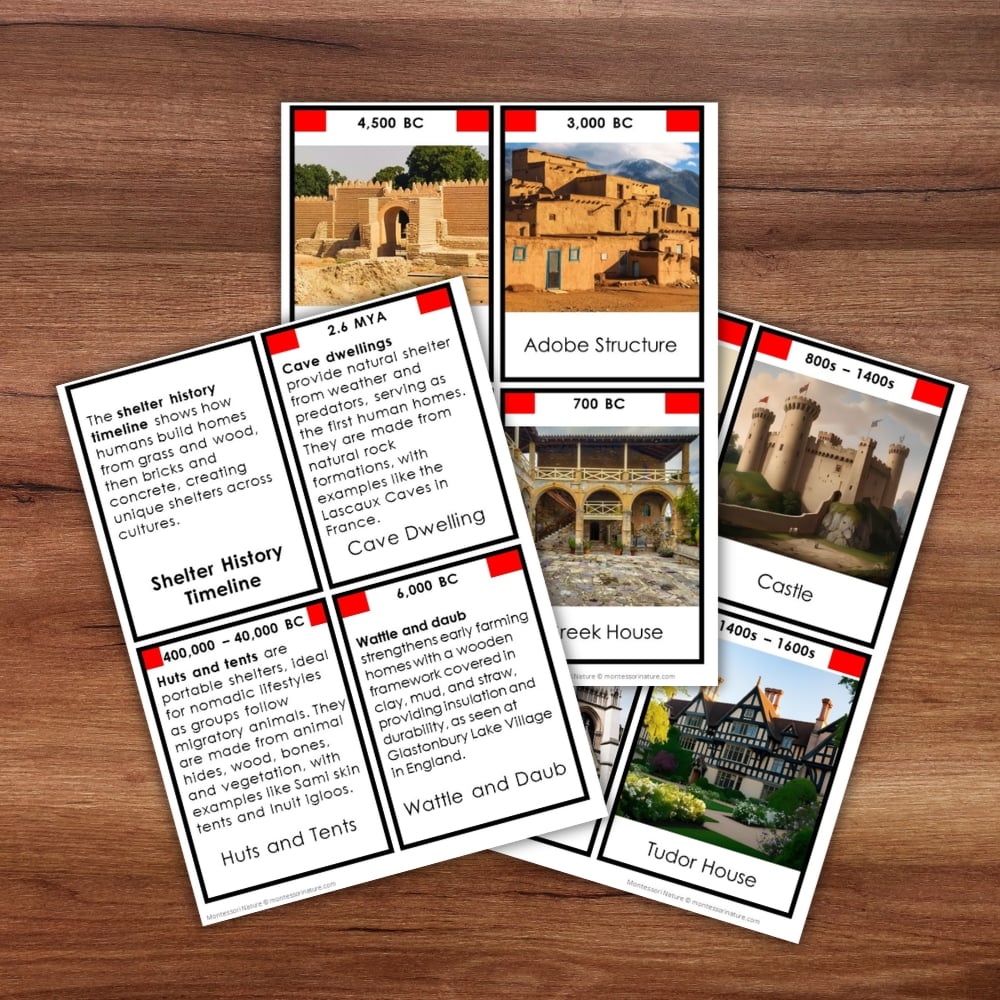
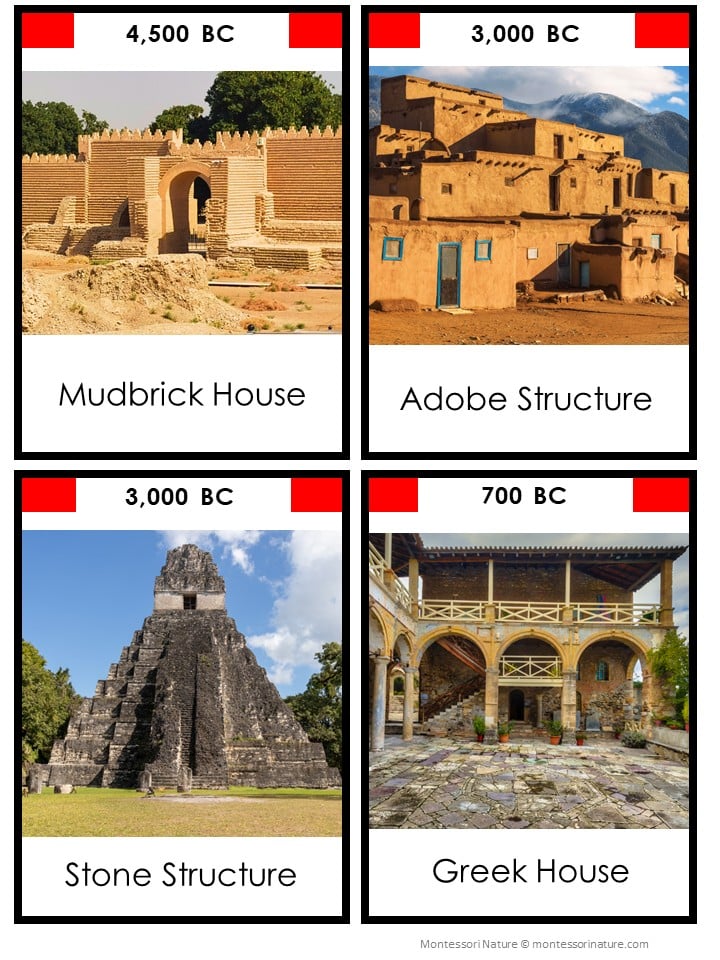
Shelter History Timeline: 5 Part Cards
This Montessori-inspired Timeline of Shelter History Printable Card Set for the classroom or homeschool can be a helpful addition to history, cultural studies, and STEM curriculum. This resource is designed to support hands-on, inquiry-based learning for students exploring the evolution of human dwellings – from cave dwellings to smart homes.
You Might Also Enjoy


About Anastasia | Anastasia is an early childhood teacher with over twenty years of experience in Montessori classrooms and homeschooling. With a Master’s in Information Science, she blends education and information design to create clear, organized, research-backed resources. As founder of Montessori Nature, she develops evidence-based, nature-inspired printables that support holistic child development and foster curiosity, independence, and a love of learning. Explore more in her shop and Teachers Pay Teachers store.