
There is a particular anxiety that grips every adult who cares for children today: the fear that if we don’t intervene right now, the child will fall behind, fail, or fracture. So we zip the coat before they fumble with the zipper. We correct the homework before the teacher sees the mistake. We call the school about the forgotten assignment before the child feels the consequence.
It feels like love. It is often the opposite.
Maria Montessori saw something that modern developmental science is only now catching up to: growth unfolds from the inside out. The chick must break its own shell. The seed must push through its own soil. A child whose inner readiness has not stirred cannot be hurried into understanding—force it, and you sow confusion.
This is not a passive philosophy. It is a demanding practice. Montessori understood that the adult’s task is not to push, but to prepare, observe, and trust. And that trust is perhaps the hardest work we will ever do.
Here is how to practice it.
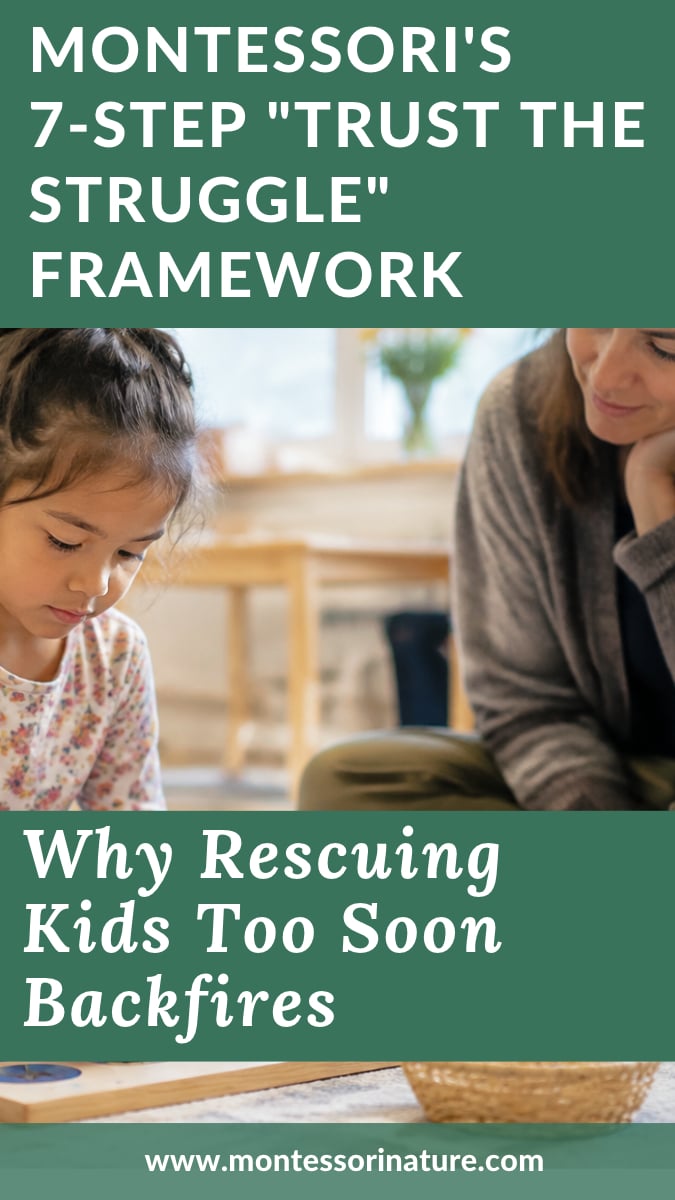
1. Pause Before You Rescue—Even When It Hurts
The rescue reflex is fast. A child struggles with a zipper, and before you’ve consciously decided anything, your hands are already there. Research on independence confirms what Montessori observed: when adults always step in, children learn helplessness, not competence. They begin to believe, “I must not be capable if Mom always steps in”.
Actionable step this week: Practice the three-second pause. When you see a child struggle with something non-dangerous—a button, a puzzle piece, a math problem—count to three silently before moving. Often, in those three seconds, the child solves it. If they don’t, ask: “Would you like help, or would you like to keep trying?” The choice matters. It signals that you believe they can decide what they need.
2. Distinguish Between Stress and Challenge
Not all struggle is good. Montessori was not advocating abandonment. The modern parent’s difficulty is knowing where the line falls—between a challenge that builds and a stress that breaks. A child who is hungry, exhausted, or frightened needs comfort, not a lesson in resilience. A child who is frustrated by a tricky shoelace or a difficult math problem is in the growth zone.
Actionable step this week: When you feel the urge to intervene, run a quick mental check. Is the child safe? Is the child rested and fed? Is the frustration proportionate to the task? If the answers are yes, yes, yes—step back. The struggle is the lesson. If the answer is no, step in. The relationship is the lesson.
3. Study the Child, Not the Timeline
One of the most insidious pressures of modern parenting and teaching is the timeline. By this age, they should be reading this level. By this month, they should have mastered this skill. Montessori insisted that those fitted to care for children “see a change in them every day, almost every hour”—not because the child is racing toward a benchmark, but because growth is always happening, in its own time and its own way.
Actionable step this week: Keep a simple observation journal for five days. Each day, write down one thing the child did that you did not teach them. A new word. A new strategy for a problem. A moment of patience you didn’t prompt. This is not a milestone chart. It is evidence of the inner teacher at work.
4. Prepare the Environment, Then Get Out of the Way
Montessori’s genius was not in what she told children to do, but in what she designed the environment to allow. The child-sized furniture. The accessible shelves. The materials that invited concentration without adult intervention. “In nature all is correlated,” she wrote. “Everything fits into the plan”. The adult’s job is to create the conditions for growth, then trust the growth to happen.
Actionable step this week: Look at one space in your home or classroom—a corner, a shelf, a table. Ask: What does this space make possible for the child without me? Can they reach what they need? Can they choose? Can they make a mess and clean it up? Move one thing to make the space more independent. Then observe what happens when you are not the gatekeeper.
5. Let the Child See Your Joy, Not Your Anxiety
Montessori’s second passage is the heart of this practice: “To encourage is to rejoice, so that the child sees that you are rejoicing” . Children read our faces with astonishing precision. When they see anxiety—the furrowed brow, the hovering hands—they learn that the task must be dangerous. When they see quiet delight—the soft eyes, the slight smile—they learn that their effort is worthy of admiration.
Actionable step this week: Catch yourself in the act of watching. When a child is working through something difficult, notice what your face is doing. Are you broadcasting worry? Practice softening. Let your expression say: I see you. I trust you. This is good work. You don’t need to say a word. They will read it anyway.
6. Honor the Struggle as the Growth, Not the Obstacle
The deepest shift Montessori asks of us is a reframing. We tend to see struggle as a sign that something is wrong—that the child needs help, or the method needs adjusting, or the timeline needs revising. But the chick breaking the shell is not in trouble. The seed pushing through the earth is not failing. They are doing exactly what they must do to become what they are meant to be.
Actionable step this week: The next time you see a child struggle, say silently to yourself: This is not in the way of growth. This is the growth. Then watch what happens. You may find that your entire body relaxes. And when you relax, the child often does too—and tries again.
7. Forgive Yourself When You Get It Wrong
This is an art, Montessori said, “which cannot be acquired without effort” . You will rescue when you shouldn’t. You will hover. You will correct. You will feel the familiar sting of knowing you robbed a child of a moment that was theirs.
That is not failure. That is the practice.
Actionable step this week: When you catch yourself over-intervening, name it—to yourself, or even to the child if they’re old enough. “I stepped in too fast. That was yours to figure out. I’m sorry.” This models something profound: that adults are also learning, that repair matters more than perfection, and that the trust we ask of children is something we are also learning to give.
A Simple Challenge for This Week
Choose one of these steps. Just one.
- Pause before rescuing.
- Study the child, not the timeline.
- Prepare the environment and step back.
- Let your face show joy, not worry.
- Reframe the struggle as the growth.
Montessori’s vision is not complicated. It is simply hard. The chick breaks its own shell. The seed finds its own light. The child grows from the inside out. Our task is not to do it for them. Our task is to believe it is possible—and to let our faces show that belief. That is the work. And it is worth all the effort.
You Might Enjoy
-

How to Clean Your Bedroom Daily Chores Sequencing Cards
$3.60 -
How to Cross the Street Safety Activities
$3.10 -
How to Dress for Snowy Weather Practical Life Winter Sequencing Cards Blackline Master
$3.10 -
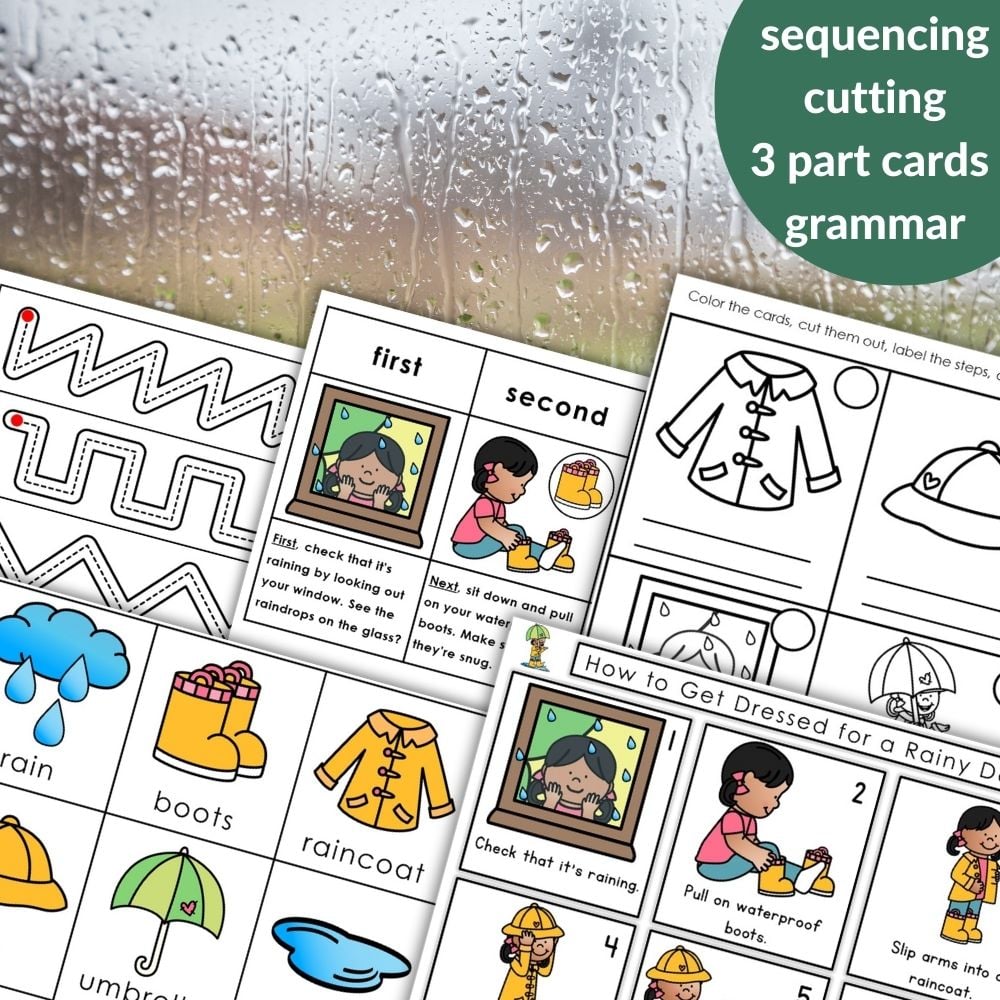
How to Get Dressed for a Rainy Day
$3.10 -
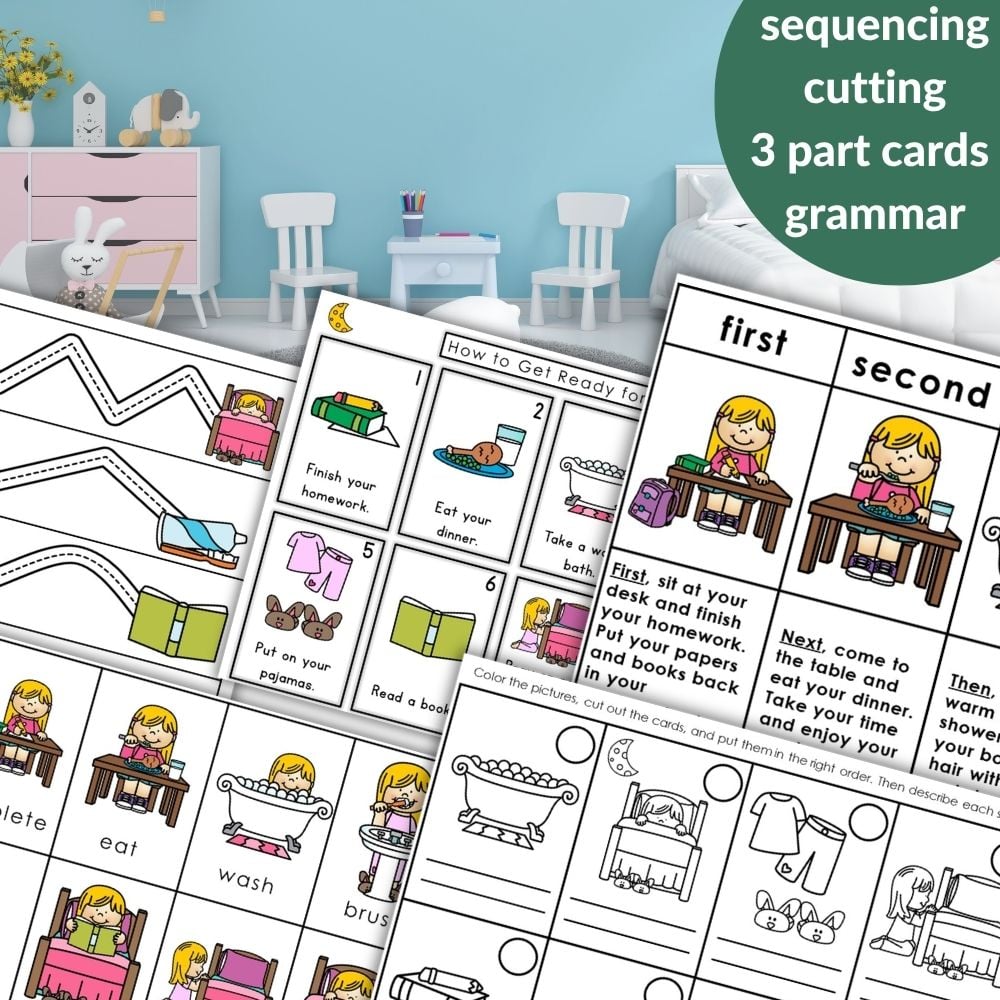
How to Get Ready for Bed Daily Routine Sequencing Cards
$3.60 -
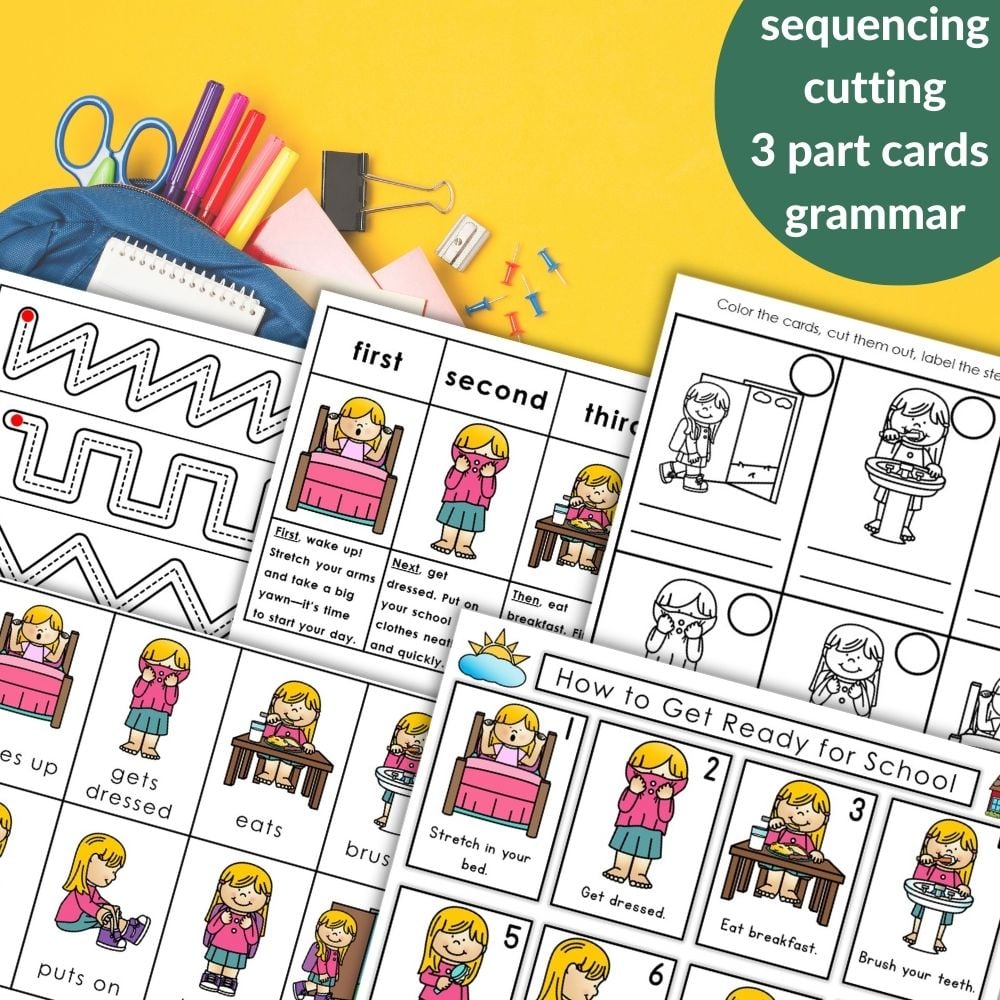
How to Get Ready for School Daily Routine
$3.10



About Anastasia | Anastasia is an early childhood teacher with over twenty years of experience in Montessori classrooms and homeschooling. With a Master’s in Information Science, she blends education and information design to create clear, organized, research-backed resources. As founder of Montessori Nature, she develops evidence-based, nature-inspired printables that support holistic child development and foster curiosity, independence, and a love of learning. Explore more in her shop, Teachers Pay Teachers and Etsy store.