
Whether in the classroom or at home, these free printables can be a fun and educational way to get children excited about math and birds.

Birds are one of the most fascinating creatures on our planet. These feathered friends can do so many amazing things, from soaring through the sky to building intricate nests. And for preschoolers, learning about birds can be an exciting and educational adventure.
About Birds
Types of Birds:
There are many different types of birds. Some common types of birds are Finch, Sparrow, Eagle, Pelican, Penguin, Pigeon, Duck, and Ostrich. Birds can be found in different colors, sizes, shapes, and features. Some birds have bright colors, while some have muted colors that help them blend into their surroundings. Some birds are small and lightweight, while others are large and heavy.

Bird Life Cycle:
A bird’s life cycle starts when they hatch from an egg. The female bird lays eggs, and both parents take turns incubating the eggs until they hatch. Once the chicks hatch, both parents work together to feed and take care of them. As the chicks grow, they start to develop feathers and learn to fly. Once they are fully grown, they can mate and start the cycle over again.
Bird Anatomy:
Birds have unique features that help them fly and survive. Some of these features include feathers, wings, beaks, and feet. Birds have lightweight, waterproof feathers that help them fly and keep them warm. Their wings are shaped like airplane wings, and they can flap them to fly through the air. Their beaks are different shapes and sizes, depending on what they eat. For example, a bird that eats insects will have a small, pointy beak, while a bird that eats seeds will have a thicker, stronger beak. Finally, birds have different types of feet depending on how they live. Some birds, like eagles, have sharp talons that they use to catch prey. Other birds, like ducks, have webbed feet that help them swim.
Bird themed hands on activities
Bird nest building: Provide children with twigs, grass, and other natural materials to build their own bird nests.
Bird feeder making: Use recycled materials such as plastic bottles or milk cartons to create bird feeders. Fill them with birdseed and observe the different bird species that come to feed.
Bird watching: Go on a nature walk and observe different birds in their natural habitats. Use binoculars or a bird spotting guide to help identify them.
Egg hatching: Use a simple science experiment to simulate the hatching of a bird egg. Fill a plastic bag with water and a small sponge or egg-shaped object. Place it in the sun and observe it as the water heats up and the “egg” “hatches”.
Bird migration: Discuss bird migration and have children participate in a migration game where they simulate the journey of a bird from one place to another.
Feathers: Explore the different types of feathers on birds and their functions. Provide feathers for children to observe and touch.
Bird calls: Listen to bird calls and have children try to identify the bird species based on their calls.
Bird anatomy: Use a bird anatomy chart to learn about the different parts of a bird’s body and their functions.
Nesting materials: Provide a variety of nesting materials for birds such as string, yarn, and feathers. Discuss the importance of these materials in a bird’s nest.
Bird art: Allow children to express their creativity by creating bird-themed art such as painting or drawing their favorite bird species.

Types of Birds Coordinates Free Printable
To get started, download our free printable math coordinates for preschoolers. These sheets include a variety of bird-themed illustrations.
To use the math coordinates with your preschooler, simply follow these steps:
- Print out the math coordinates sheets and invite the child to cut out the individual cards.
- Use a ruler to help your preschooler understand the horizontal and vertical axes shown on each card. Show them which number corresponds to the horizontal axis and which one corresponds to the vertical axis.
- Choose a card and have your preschooler find the coordinates for each object on the page.
- As your preschooler finds each object, encourage them to count how many they’ve found so far and how many are left to find.

Recommended products
-

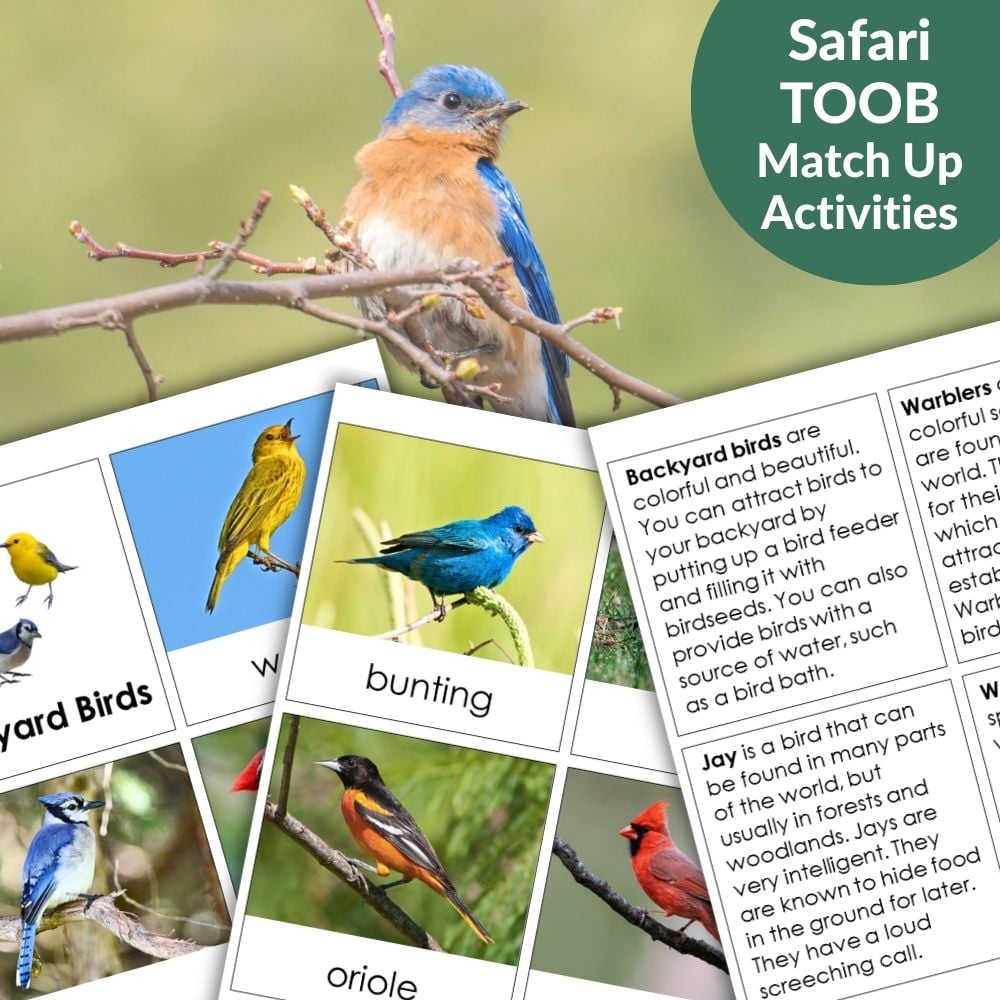
Backyard Birds: Safari TOOB Compatible 3 Part Cards Facts
$3.10 -
Birds And Their Eggs: 3 Part Cards Facts Blackline Master
$6.10 -

Birds Preschool Activity Pack
$6.40 -
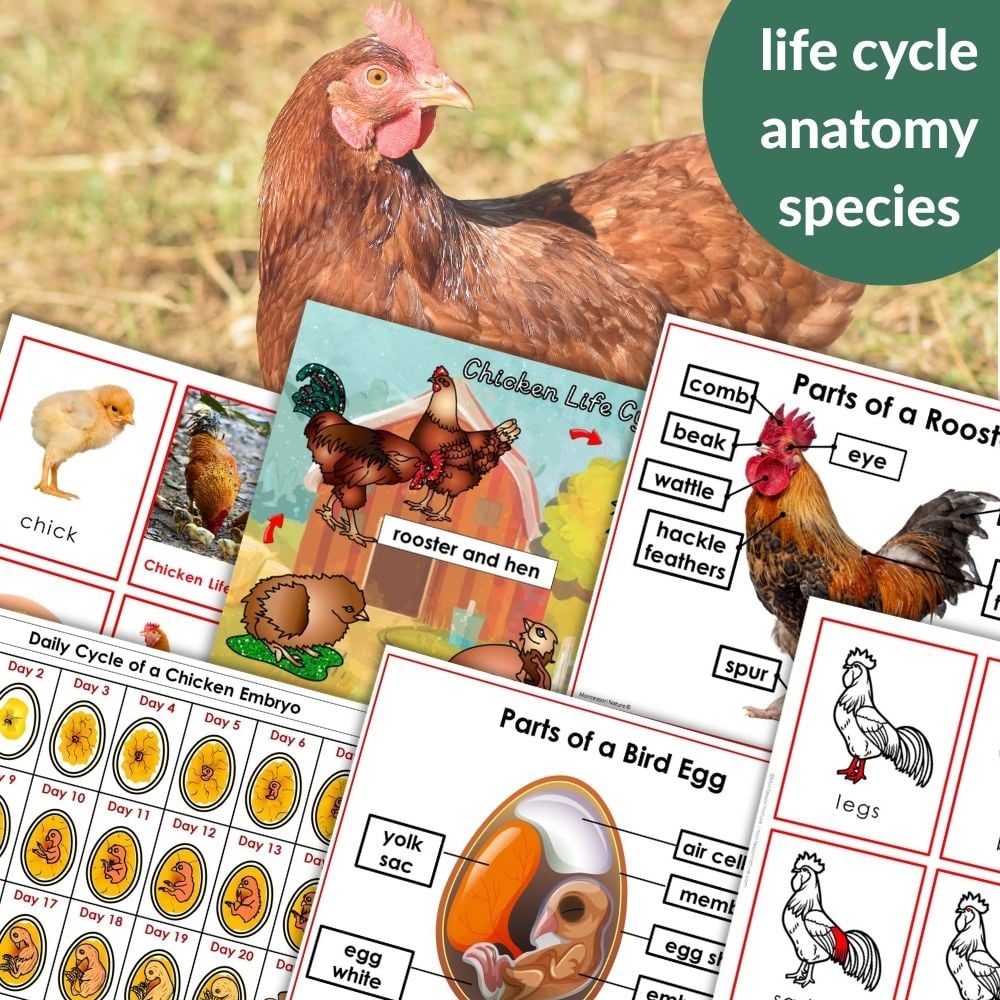
Chicken Life Cycle Parts of a Rooster Bird Egg Daily Cycle of Embryo Chart
$9.40 -
Kiwi Bird Life Cycle Parts of a Kiwi Activities
$7.10 -
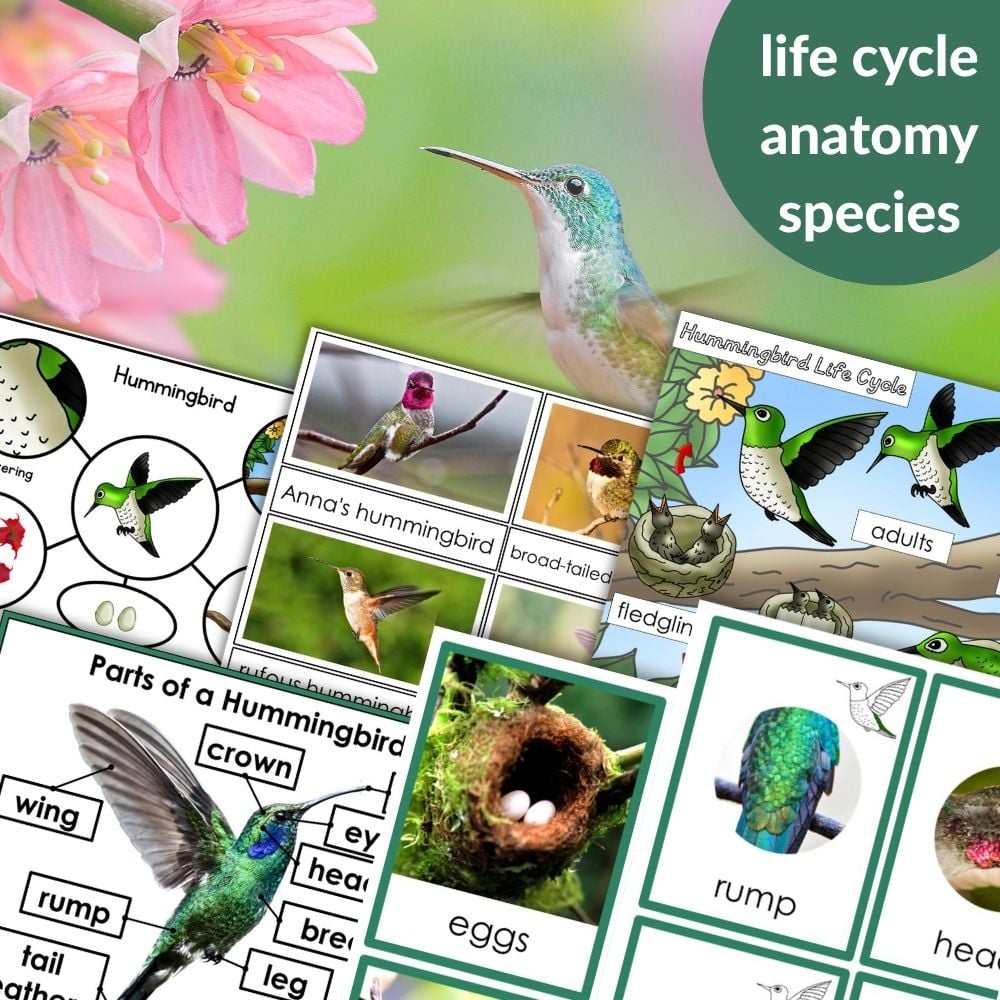
Parts of a Hummingbird Life Cycle Activities
$7.60



About Anastasia | Anastasia is an early childhood teacher with over twenty years of experience in Montessori classrooms and homeschooling. With a Master’s in Information Science, she blends education and information design to create clear, organized, research-backed resources. As founder of Montessori Nature, she develops evidence-based, nature-inspired printables that support holistic child development and foster curiosity, independence, and a love of learning. Explore more in her shop and Teachers Pay Teachers store.


