
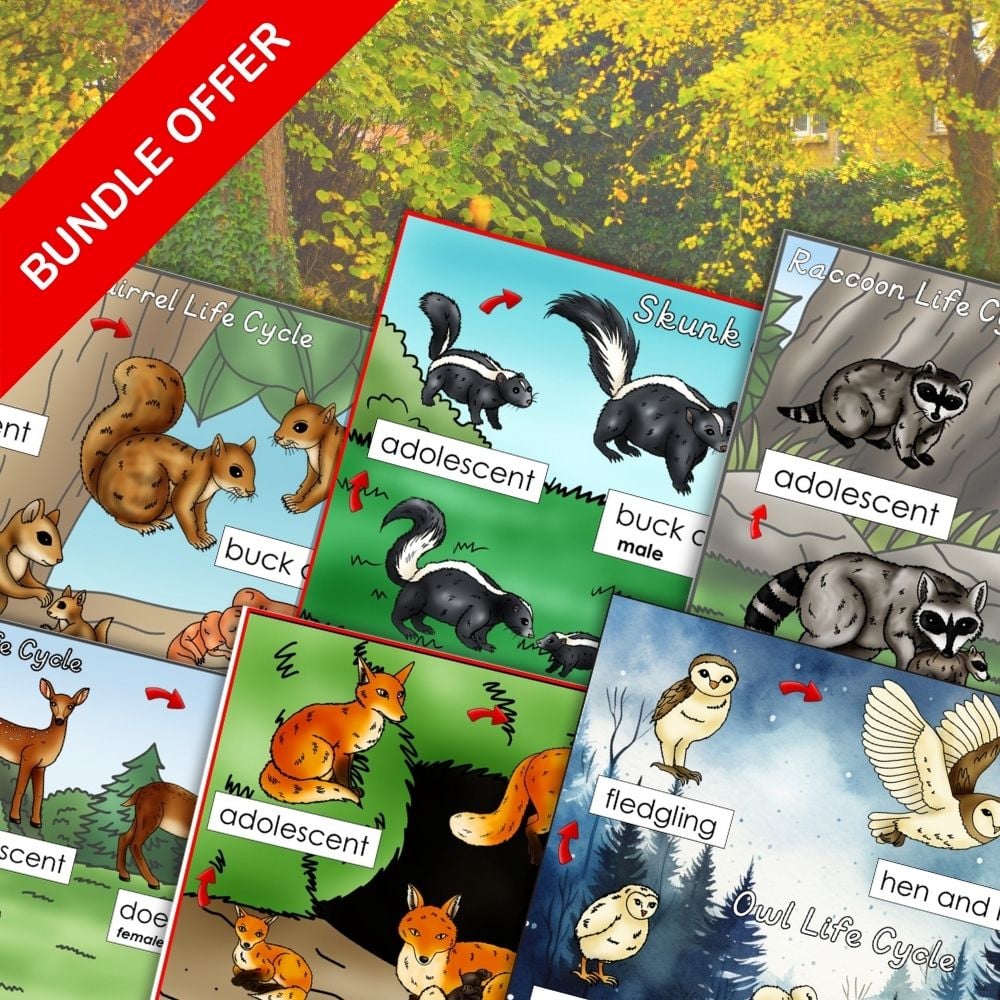



Use this resource with clear, true-to-life images and photographs to create engaging activities for your students. It’s an ideal tool for exploring mammals and forest animals, preparing work for your Woodland Habitat, Fall, Winter, or North American Animals units.
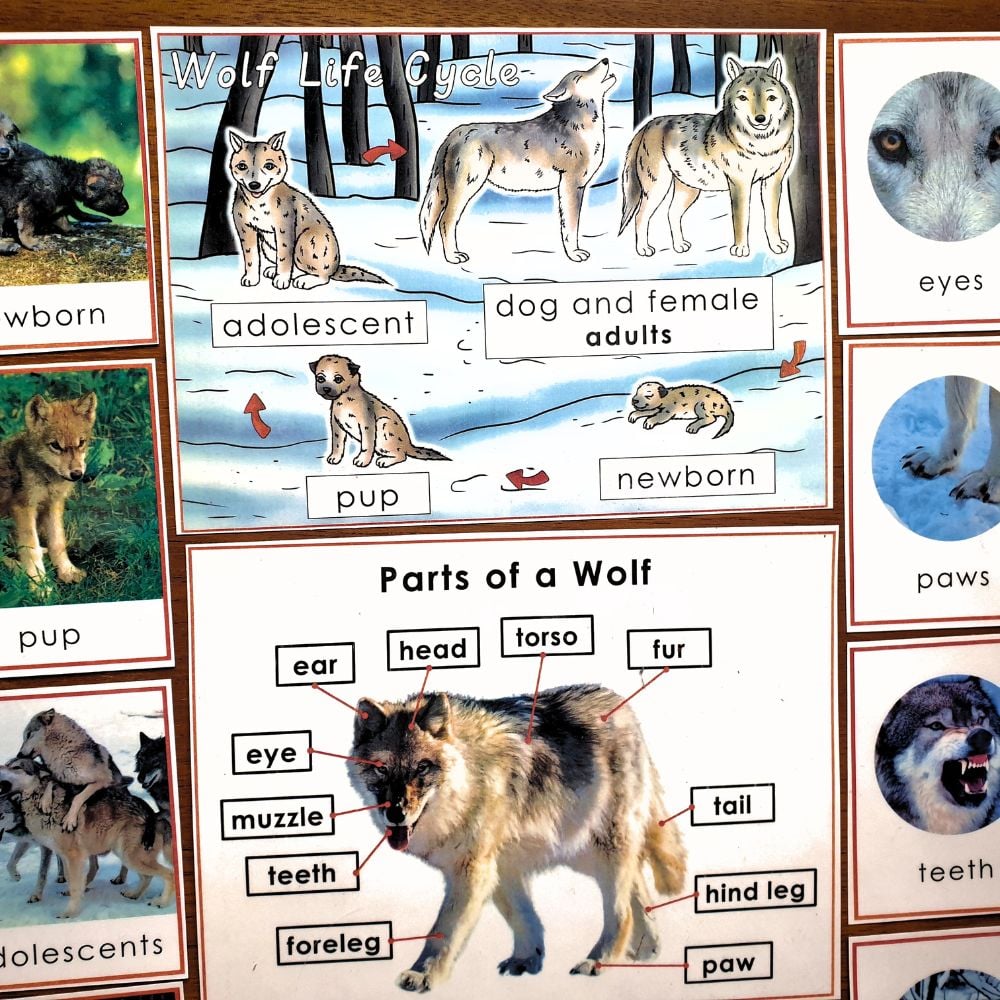
Children will learn the life cycles, key characteristics, and anatomy (parts of) nine fascinating woodland creatures: deer, bear, skunk, squirrel, raccoon, owl, hedgehog, wolf, and fox. Through these materials, students will practice sequencing, sorting, and classification skills while working to improve their concentration, fine motor skills, and handwriting.
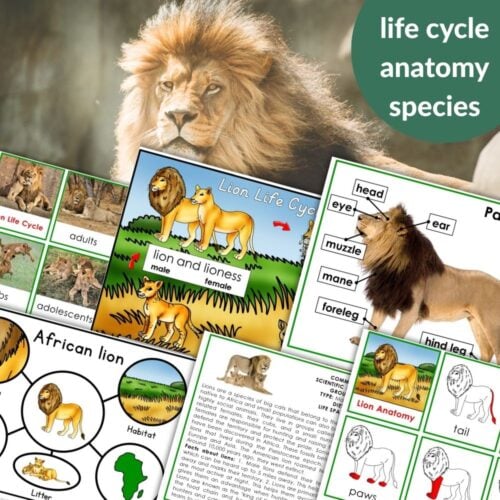
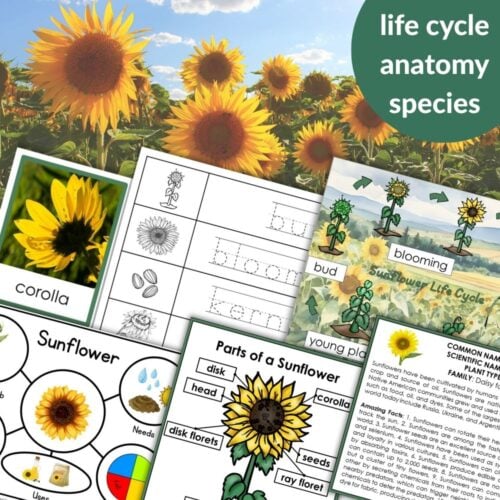
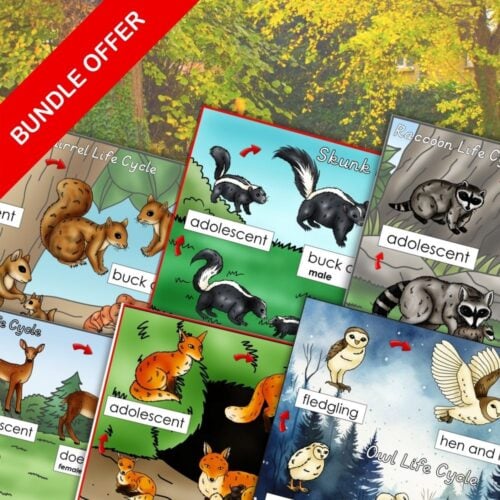
This MEGA BUNDLE includes the following resources for EACH of the 9 animals (Deer, Bear, Skunk, Squirrel, Raccoon, Owl, Hedgehog, Wolf, Fox):
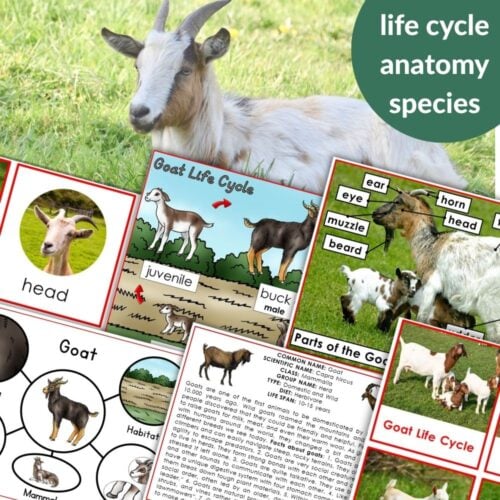
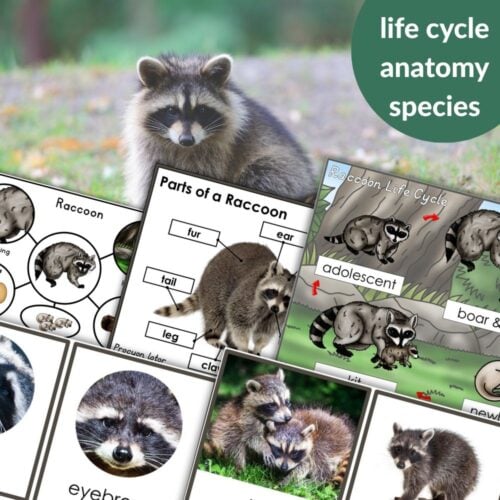
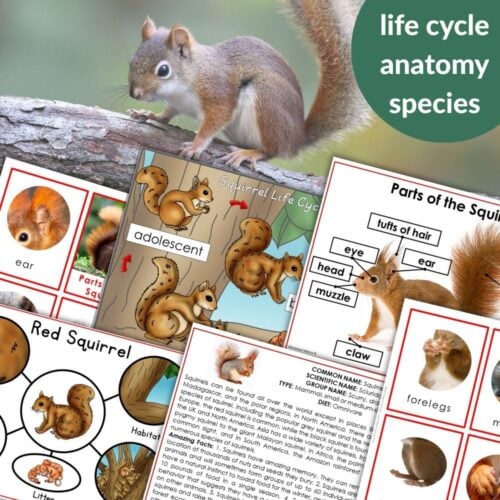
Life cycle diagram
Life cycle 3-part cards
Life cycle coloring, cutting, and pasting worksheet (color and blackline)
Life cycle tracing strips
Life cycle information cards
Parts of the animal (anatomy) diagram
Parts of the animal diagram minus labels
Parts of the animal labels
Parts of the animal information cards
Parts of the animal tracing & independent writing worksheet
Parts of the animal student booklet (independent writing)
Animal characteristics color poster
Animal characteristics black line poster
Animal characteristics mat
Animal characteristics color cards
Animal characteristics tracing & coloring student booklet
Animal characteristics student booklet
Educational Benefits and Uses:
This bundle aligns with Montessori principles to create an interactive, student-centered learning environment.
Hands-on Learning: Tactile materials like 3-part cards and labeling diagrams enhance information retention.
Self-directed Learning: Booklets and activity mats foster independence as children explore at their own pace.
Vocabulary Building: Specialized terminology expands children’s language skills in science and zoology.
Cognitive Development: Matching, sequencing, and sorting activities improve memory, critical thinking, and categorization skills.
Fosters Respect for Nature: Learning about these animals’ roles in the ecosystem encourages appreciation and interest in wildlife conservation.
Science Education: Introduces key biological concepts like life cycles, anatomy, predator/prey relationships, and adaptation.
Cross-Curricular Integration: Easily ties into lessons on geography, seasons, habitats, and food chains.




Reviews
There are no reviews yet