There’s something special about pigs. Maybe it’s their curly tails, their cheerful grunts, or the way they snuffle through the soil with boundless curiosity. For young children, pigs are endlessly fascinating—and for good reason. Behind those floppy ears and friendly snouts lies one of the most intelligent, adaptable, and historically significant animals on Earth. Whether you’re building a Montessori farm animal unit, searching for hands-on science activities, or planning a pig life cycle study for your preschool or early elementary students, the humble pig offers a rich story that weaves together evolution, agriculture, animal behavior, and even a little bit of human history. And with the right hands-on materials, children can explore that story at their own pace, discovering for themselves what makes pigs so remarkable.
The Pig’s Long Journey: From Forest to Farm
Long before pigs lived in red barns, their ancestors roamed the forests of Europe, Asia, and Africa. These wild boars were tough, tusked creatures with thick fur and sharp instincts. Around 9,000 years ago, in two separate regions—eastern Turkey and China—humans began to tame them. This was a turning point in human history. Pigs were one of the first animals to be domesticated, providing a reliable source of food and becoming valued members of early farming communities.
Unlike many other domesticated animals, pigs have changed very little from their wild ancestors. Even today, a farm pig can grow tusks, root in the soil with its powerful snout, and survive in the wild if given the chance. This connection to their past makes pigs a wonderful subject for teaching children about evolution and adaptation.

The Pig on the Farm: A Helper and Provider
On the farm, pigs have played many roles throughout history. They were often called “the mortgage lifters” because a litter of piglets could help a family pay off debts. Pigs are efficient recyclers—they eat kitchen scraps and turn them into valuable meat and manure, which enriches the soil for crops. Their intelligence makes them curious, trainable, and full of personality. In many cultures, pigs were symbols of good fortune, abundance, and hard work.
Today, children can learn about the pig’s role on the farm through observation, storytelling, and hands-on activities. Understanding where our food comes from and how animals contribute to our lives builds respect and gratitude in young learners.
Fascinating Pig Facts That Will Amaze Children
Their Sense of Smell is Superpowered
A pig’s sense of smell is about 2,000 times stronger than a human’s! This incredible ability helps them find food buried deep underground. In some parts of the world, pigs are even trained to sniff out truffles, a rare and expensive fungus, and they have helped locate landmines in war-torn areas.
They Are Faster Than You Think
Despite their round, sturdy bodies, pigs can run up to 11 miles per hour. That means they can run a mile in about seven minutes—faster than most humans!
They Talk Constantly
Scientists have identified over 20 different pig vocalizations. Pigs have special grunts for saying “I’m hungry,” “Come here,” “I’m happy,” and even for flirting. Mother pigs “sing” to their piglets while nursing, and piglets learn their own names by the time they are two weeks old.
They Dream Like Us
Pigs are highly intelligent and social animals. They sleep snuggled close together, nose to nose. Studies show that pigs dream, just like humans. Their brains show similar patterns of activity during sleep.
They Don’t Sweat
Pigs have very few sweat glands. To cool down, they roll in mud. The mud acts like sunscreen, protects their skin from bugs, and keeps them comfortable on hot days. That’s why we often see them wallowing!
Hands-On Activities for Young Learners (Ages 3–8)
Bringing the pig’s story to life in your classroom or homeschool is easy with these hands-on, Montessori-inspired activities.
- Sensory Tray: Mud for Wallowing
Set up a sensory bin with brown kinetic sand. Add small pig figurines. Let children explore how pigs cool down in mud. Talk about why pigs don’t sweat and how mud protects their skin. This activity engages the senses and builds vocabulary around adaptation. - Snout Investigation: The Power of Smell
Pigs use their snouts to find food. Create a “mystery smell” activity using small containers with cotton balls soaked in different extracts (vanilla, peppermint, orange). Have children close their eyes and guess the smell. Discuss how pigs have a sense of smell 2,000 times stronger than humans and what that allows them to do. - Life Cycle Sequencing Cards
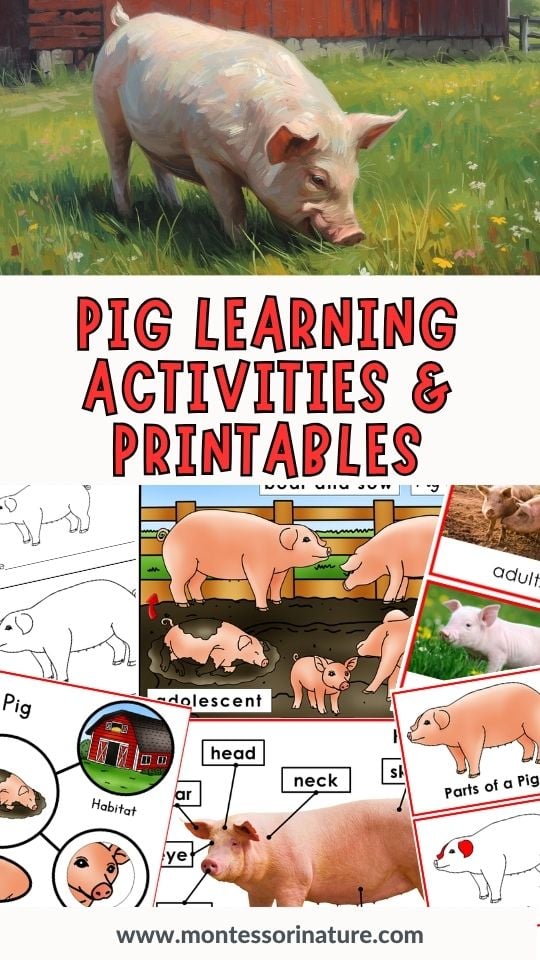
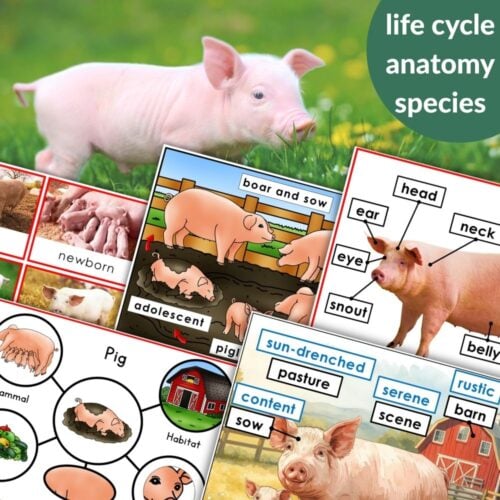
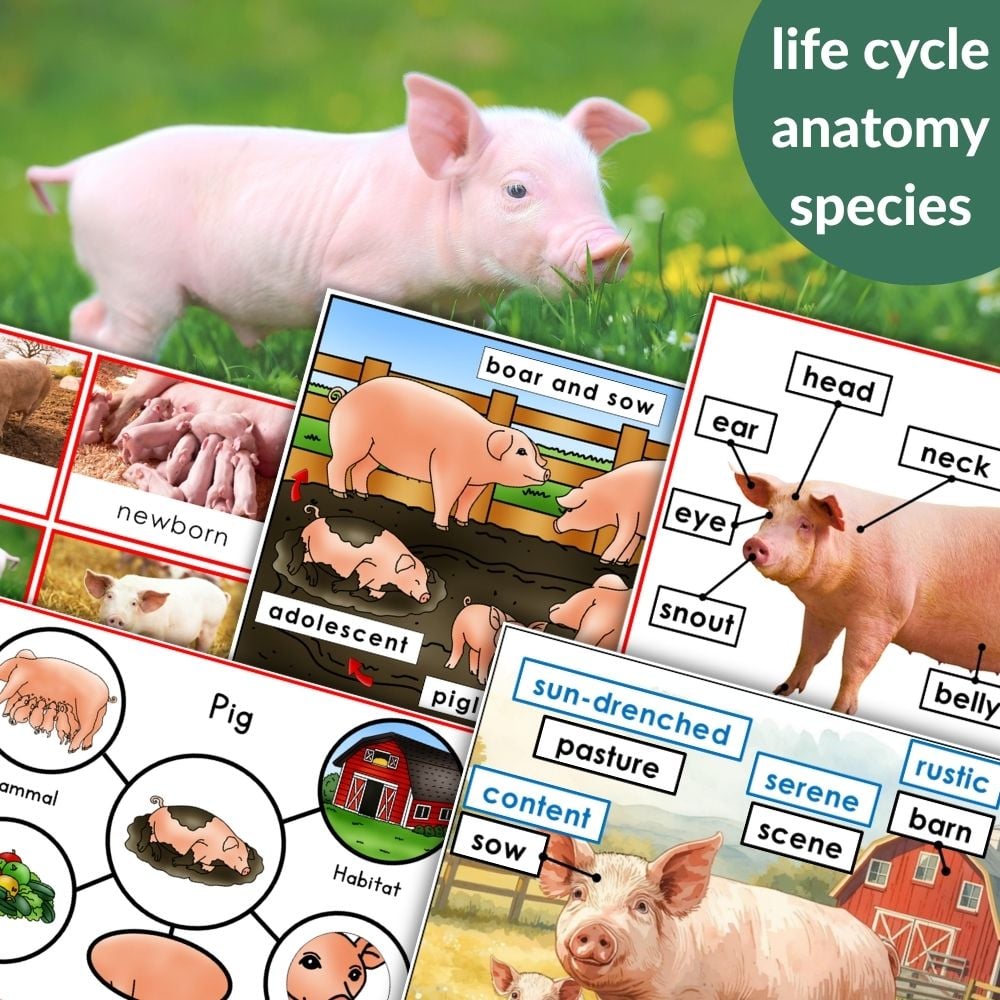
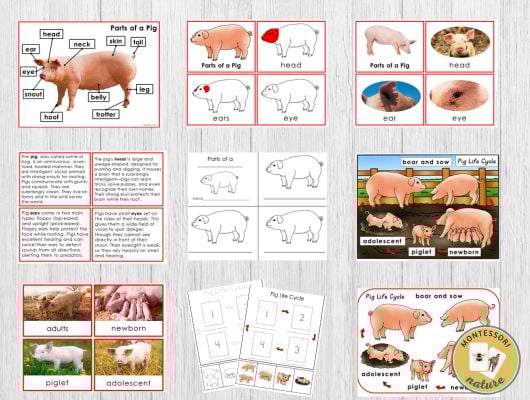
Using the pig life cycle 3-part cards, children can arrange the stages from newborn piglet to adult. This builds sequencing skills and introduces biological concepts. The cut-and-paste worksheet offers a hands-on way to reinforce the stages for younger learners. - Parts of a Pig Labeling
Using the parts of a pig diagram and 3-part cards, children can learn words like “snout” and “trotter.” Matching picture cards to labels builds literacy and helps children understand how each part of the pig’s body serves a purpose. - Pig Talk: Listening and Mimicking
Play recordings of pig sounds (grunts, squeals, snorts). Ask children what they think each sound means. Let them try to mimic the sounds. Discuss how pigs communicate with each other and why they need so many different sounds. - Running Race: How Fast Is a Pig?
Mark out a 100-foot course in the yard. Time children running. Then explain that pigs can run 11 miles per hour—faster than most kids! This gross motor activity connects physical movement to real-world animal facts.
Bringing It All Together with a Printable Resource
This comprehensive set provides resources you need to create a rich, hands-on learning experience. Children can explore the parts of a pig diagram, building vocabulary with 3-part cards and reinforcing knowledge with tracing and writing worksheets. They can sequence the pig life cycle using the diagram and information cards, then test their understanding with the cut-and-paste activity. The pig characteristics posters and student booklets invite children to document their learning, while the anatomy adjective activity encourages creative language use. Sorting cards for diet and predators help children understand the pig’s place in the ecosystem.
This resource is designed to support independent exploration, allowing children to follow their curiosity at their own pace—the very heart of Montessori education.
The pig is more than a barnyard animal. It is a survivor, a communicator, a dreamer, and a partner in human history. By introducing children to the pig’s story—from wild boar to farm friend—we open doors to biology, history, language, and empathy. Through hands-on activities, engaging facts, and carefully designed materials, we can help young learners see pigs not as simple farm animals, but as intelligent, fascinating creatures with a story worth knowing.
So this season, whether you’re planning a farm unit, a mammal study, or simply want to bring a bit of barnyard wonder into your classroom, let the pig lead the way. There’s so much to discover, right down to the very last squeal.


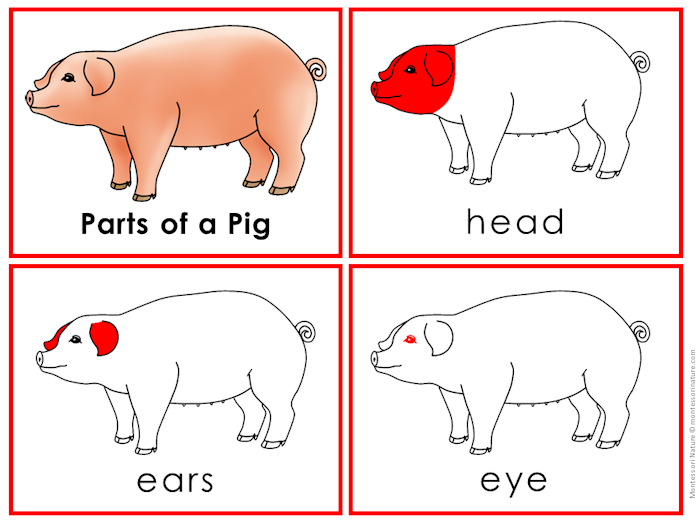

Parts of a Pig Life Cycle Activities
Suitable for preschool, kindergarten, and Grades 1–3 students, the Pig Life Cycle and Parts of a Pig printable offers a variety of Montessori-inspired hands-on activities that can be used for individual quiet shelf work, centers, or small group lessons in homeschool or classroom settings.
You Might Also Enjoy
-
Product on sale
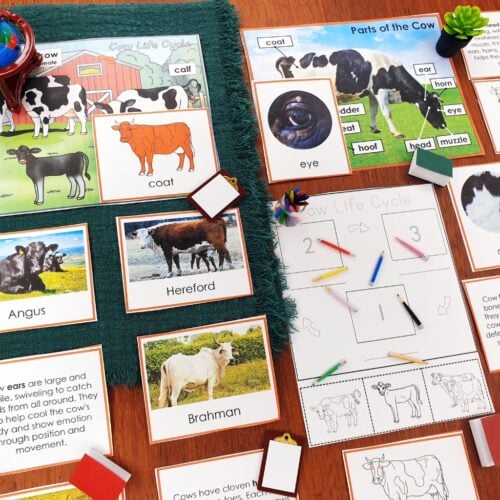
 Parts of a Cow Life Cycle ActivitiesOriginal price was: $8.00.$4.00Current price is: $4.00.
 -
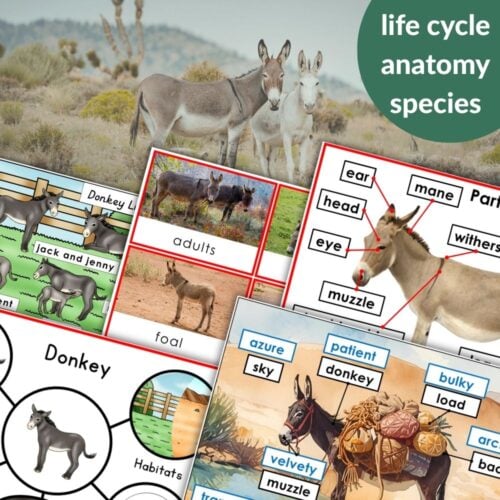
Parts of a Donkey Life Cycle Activities 3 Part Cards Blackline Master Poster$7.60
-
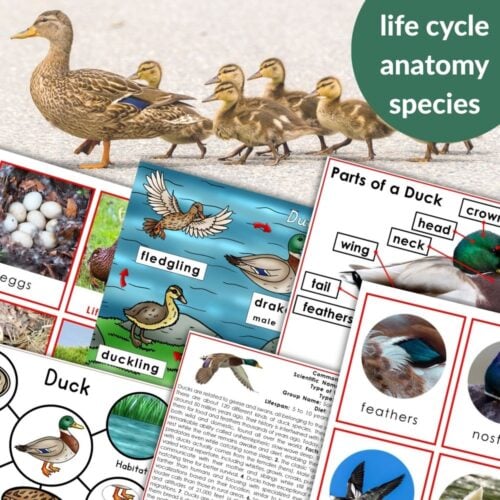
Duck Life Cycle Parts of a Duck Activities$8.30
-
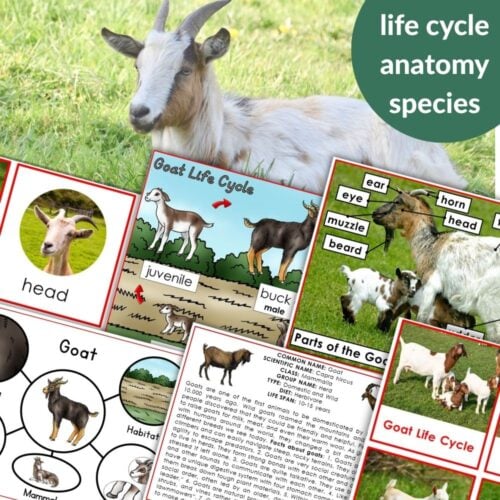
Parts of a Goat Life Cycle Activities$7.60
-
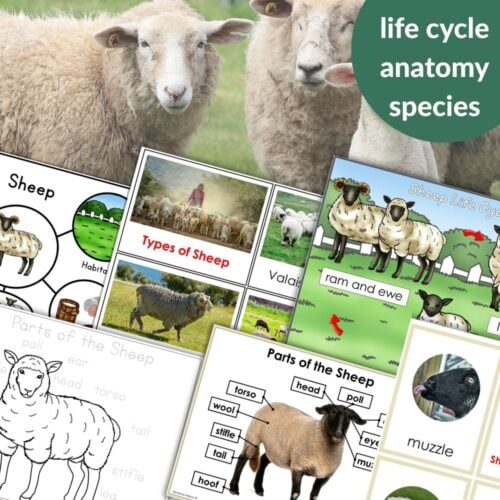
Parts of a Sheep Life Cycle Activities$7.10
-
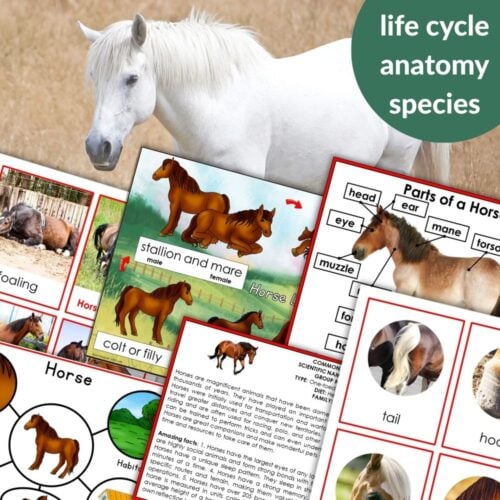
Parts of a Horse Life Cycle Activities$8.30
About Anastasia | Anastasia is an early childhood teacher with over twenty years of experience in Montessori classrooms and homeschooling. With a Master’s in Information Science, she blends education and information design to create clear, organized, research-backed resources. As founder of Montessori Nature, she develops evidence-based, nature-inspired printables that support holistic child development and foster curiosity, independence, and a love of learning. Explore more in her shop and Teachers Pay Teachers store.