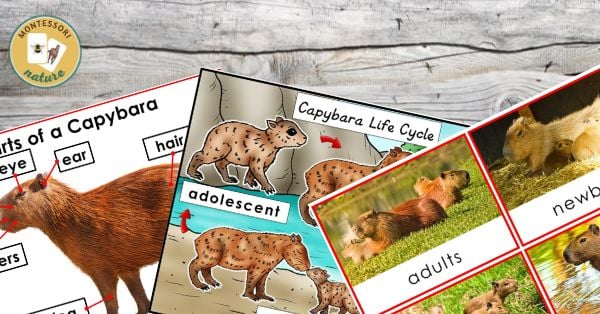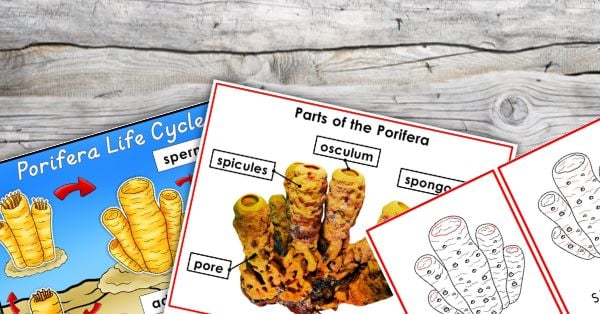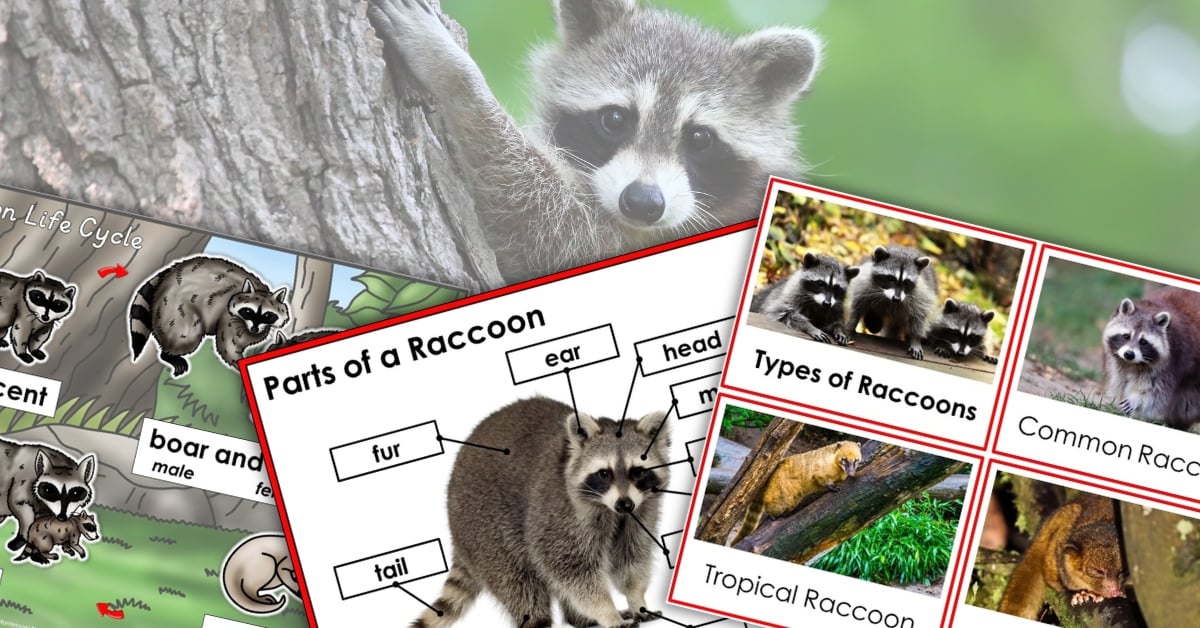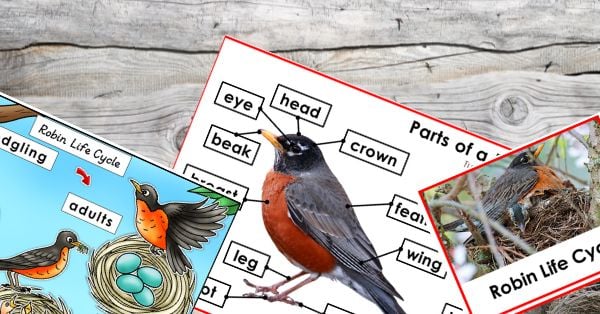
For teachers and homeschooling parents searching for Montessori-inspired hands-on science activities, Winter Unit, Ocean Unit, and Winter Animals themes, the walrus offers a perfect, cross-curricular walrus topic to captivate young learners. This incredible Arctic giant provides a gateway to explore animal adaptation, Indigenous culture, and ecosystem dynamics through practical life, sensorial, and cultural work. By integrating the walrus into your curriculum, you can create a rich, engaging study that connects science with real-world stories of survival and respect.

Imagine a creature so vital that for thousands of years, the story of Arctic survival could not be written without it. The walrus is not just an animal of ice and ocean; it is a cornerstone of culture, a provider, and a master of Arctic survival. For the Indigenous peoples of the North, like the Inuit, the relationship with the walrus is one of profound respect and deep connection. The walrus was a partner in fulfilling almost every fundamental human need.
Long before stores existed in the frozen north, the walrus was a mobile grocery store, hardware shop, and art supply cabinet. Its rich, fatty meat and maqtaaq (skin and blubber) provided crucial food and energy. Its thick hide was transformed into shelter (tents and boat coverings) and durable clothing and footwear. Every part had a purpose: bones became tools and sled runners, sinew turned into thread, and intestines could be used for waterproof clothing. This incredible use of the entire animal shows a principle of zero waste and deep gratitude.
But the connection went beyond survival. The iconic tusks, often called “ivory gold,” were central to art, community, and self-adornment. Skilled artisans would carve them into intricate figures, jewelry, and tools, telling stories and passing down knowledge through generations. A single tusk could be transformed into a harpoon tip for defense and hunting, a delicate comb for self-care, and a beautiful pendant, connecting the practical to the spiritual.


In the wild, the walrus is a kingpin of its ecosystem. This benthic feeder, using its amazing whiskers to find clams on the dark seafloor, connects the energy of the sun (which grows tiny phytoplankton) all the way up to apex predators like orcas.
Walrus themed activities
How can we help children touch, feel, and understand this interconnected world? Here are hands-on, Montessori-inspired activities across key areas:
Practical Life: Walrus Whisker Sensory Sorting
- Direct Aim: To refine the pincer grip and develop tactile discrimination, mirroring how a walwhal uses its vibrissae (whiskers).
- Indirect Aims: To build concentration, foster care of the environment, and introduce the concept of animal adaptation through a real-world skill.
Materials:
- A divided tray or two small bowls.
- A pair of child-sized tweezers (representing the walrus’s ability to “pick up” sensory information).
- A mixed collection of small, textured items: e.g., smooth pebbles (like clamshells), bumpy buttons, soft cotton balls, rough-cut pieces of sponge, and small shells.
- A small, deep bin or box filled with a “seafloor” substrate like dry black beans, brown rice, or kinetic sand.
Presentation:
- Introduction: “A walrus doesn’t use its eyes to find food on the dark seafloor. It uses its amazing whiskers, which are as sensitive as your fingers! Today, you will use tools like a walrus uses its whiskers.”
- Demonstration: Show the child how to use the tweezers to gently search through the “seafloor” bin to find one item. Feel the item, describe its texture (“bumpy,” “smooth”), and then sort it into the correct section of the tray based on how it feels.
- Invitation to Work: Invite the child to continue, searching for and sorting all the hidden items. The focus is on careful, deliberate movement and tactile identification.
- Control of Error: The different textures are self-correcting—a smooth pebble is clearly different from a rough sponge. A picture card showing items sorted by texture can serve as a control.
Connection to Walrus Science & Culture:
This activity directly simulates the walrus’s benthic foraging technique. While the child sorts by texture, you can explain that a walrus feels for the hard, smooth shape of a clam versus the soft body of a worm. This links the practical life skill to its biological purpose (finding food). It also connects to cultural lessons, as successfully finding these “resources” in the activity mirrors the first step Inuit hunters would take in utilizing the walrus for community needs.
Cultural: Ivory Carving & Storytelling
- Concept: Indigenous art and oral tradition.
- Activity: Discuss how Inuit artists use soapstone or walrus ivory (for this, use a bar of white soap or sculpting clay) to carve stories. Let children “carve” their own simple animal shapes or symbols into soap with a popsicle stick. They can then share the story of their carving with the class, linking art to communication and education just as Arctic peoples have done for millennia.
Our Walrus Life Cycle and Anatomy Printable is designed to be the thread that weaves these lessons together. When a child uses the “Parts of a Walrus” 3-part cards, they’re not just learning vocabulary; they’re discovering the very tools—the tusks for pulling, the flippers for swimming, the whiskers for sensing—that made this animal a lifeline. The cloze-sentence information cards challenge them to actively recall facts, building deeper comprehension of how each physical part served both the walrus in the wild and the people who relied on it.
By studying the walrus through this holistic lens, we do more than teach biology. We open a window to a culture of ingenuity and respect, and we teach children that in nature, everything is connected—from the smallest clam on the seafloor to the grand stories carved in ivory.
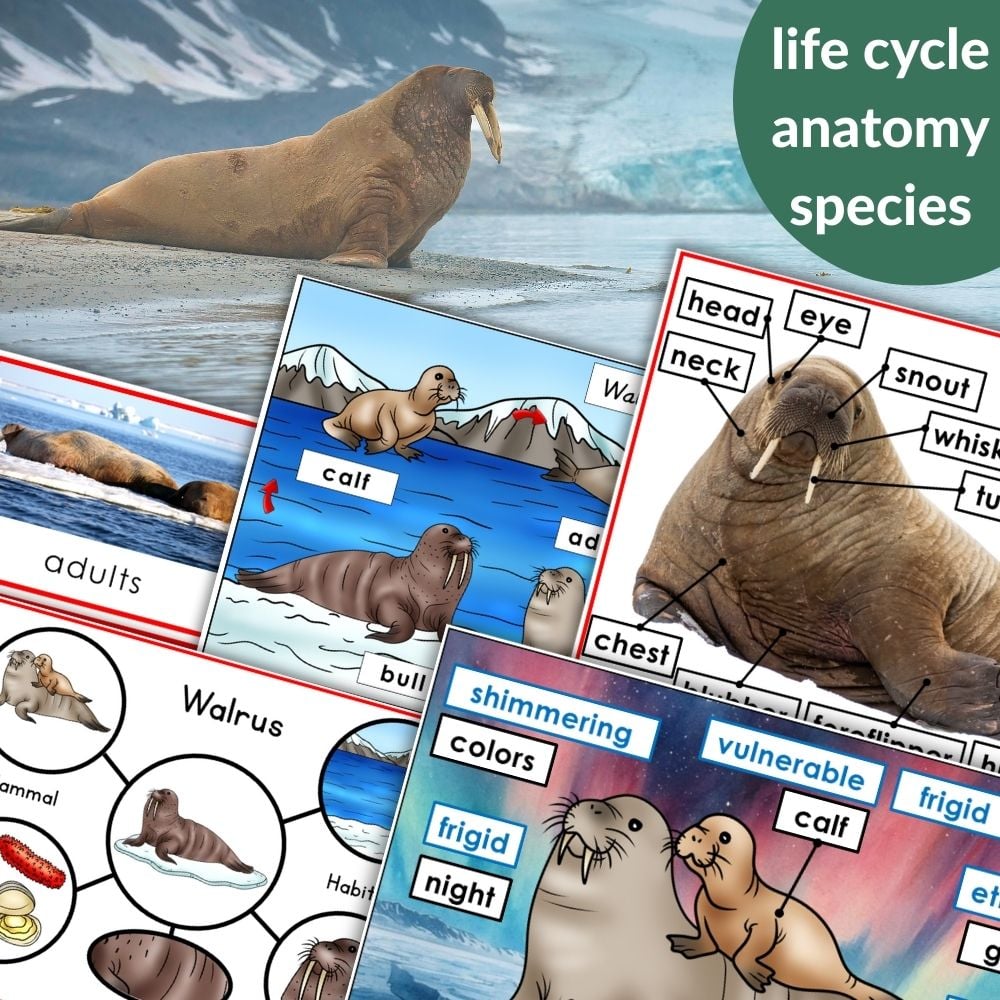
Parts of a Walrus Life Cycle Activities 3 Part Cards Blackline Master Poster
Suitable for preschool, kindergarten, and Grades 1–3 students, the Walrus Life Cycle and Parts of a Walrus printable offers a variety of Montessori-inspired hands-on activities that can be used for individual quiet shelf work, centers, or small group lessons in homeschool or classroom settings.
This printable is also available on TPT
You Might Also Enjoy
-
 Venn Diagram Animal Comparison Polar Bears and Arctic Foxes$2.60
 -
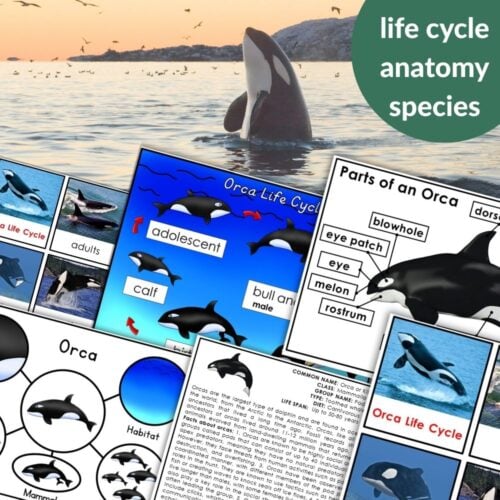
Parts of an Orca Life Cycle Types of Whales Activities$7.10
-
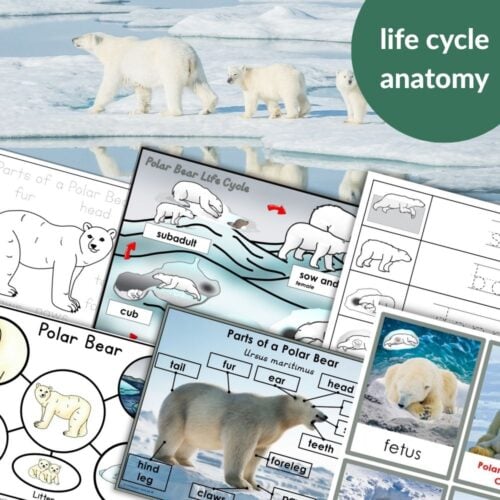
Parts of the Polar Bear Life Cycle Activities$7.10
-
Animals of the Arctic and Antarctica 3-Part Cards Chart$3.10
-
The Arctic and Antarctica Preschool and Kindergarten Pack$9.10
-
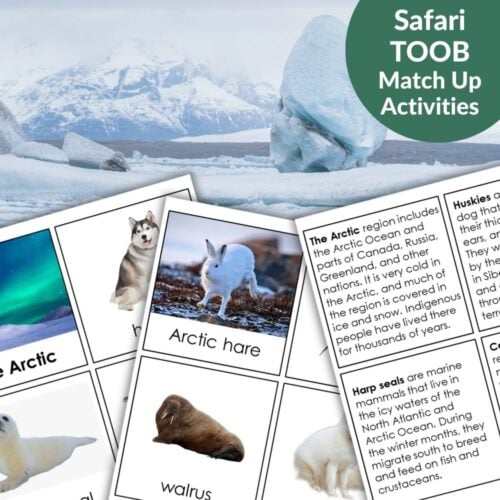
Arctic Animals: Safari TOOB Compatible 3 Part Cards Facts$3.60



About Anastasia | Anastasia is an early childhood teacher with over twenty years of experience in Montessori classrooms and homeschooling. With a Master’s in Information Science, she blends education and information design to create clear, organized, research-backed resources. As founder of Montessori Nature, she develops evidence-based, nature-inspired printables that support holistic child development and foster curiosity, independence, and a love of learning. Explore more in her shop and Teachers Pay Teachers store.