
Cutting activities are one of the most popular ones in the preschool classroom. Paper-cutting skills are very important for little hands to master. This ability to cut paper on the line opens up a world of opportunities to create art and craft. It is also a life skill that will empower children to become more independent in their day-to-day daily activities.
As children embark on their educational journey, it is important to equip them with essential life skills early on. In the Montessori preschool classroom, one such skill that can be effectively cultivated is cutting. This fundamental ability not only enhances a child’s fine motor skills but also fosters independence and self-confidence. Let’s explore how the Montessori method can be applied to teach cutting in a way that ensures a joyful and purposeful learning experience.
Preparing the Environment:
In the Montessori classroom, the environment plays a vital role in facilitating independent learning. To introduce cutting, create an inviting space with child-sized tables and chairs conducive to sitting comfortably while working. Ensure that age-appropriate cutting tools, such as safety scissors with comfortable handles, are readily available and easily accessible to the children.
Demonstrating Proper Scissor Use:
Before introducing cutting materials to the children, it is crucial to demonstrate the proper technique for handling scissors. Gather the students in a small group and show them how to hold the scissors with thumb and index finger correctly. Encourage them to practice opening and closing the scissors smoothly without strain. Demonstrate safety measures, such as holding their cutting hand away from the blades, to avoid accidents.
Using Montessori Cutting Strips:
Montessori cutting strips provide a structured way for children to practice cutting. These strips are typically made of heavy paper or cardboard and feature different lines or designs for cutting. Start with simpler lines and gradually progress to more complex ones as the children improve their skills. Encourage them to cut along the lines using smooth, deliberate movements, emphasizing the importance of precision and control.

Introducing Practical Life Activities:
The Montessori approach recognizes the significance of practical life activities in a child’s development. Incorporate cutting into various practical life exercises, such as food preparation or art projects. Offer opportunities for children to slice fruits or vegetables using child-safe knives or create scrapbooks by cutting out and pasting pictures from magazines. These activities not only refine cutting skills but also instill a sense of purpose and accomplishment.
Encouraging Independence and Responsibility:
In the Montessori classroom, independence and responsibility are valued. Encourage children to take ownership of their cutting materials. Teach them how to care for and store their scissors properly, fostering a sense of responsibility and respect for their tools.
Providing Freedom to Explore:
While the Montessori method emphasizes structure and order, it also offers freedom within limits. Allow children the freedom to explore cutting in a way that enhances creativity and personal expression. Provide a variety of materials, such as colored papers, fabrics, or play dough, to cut and craft open-ended projects. This approach not only enhances cutting skills but also encourages individuality and imaginative thinking.
Teaching cutting skills using the Montessori method in a preschool classroom can be a transformative experience for both teachers and young learners. By preparing an environment that nurtures independence, demonstrating proper techniques, and incorporating practical life activities, children develop essential fine motor skills while gaining a sense of responsibility.
-

Cutting Strips
$0.00

Recommended products
-

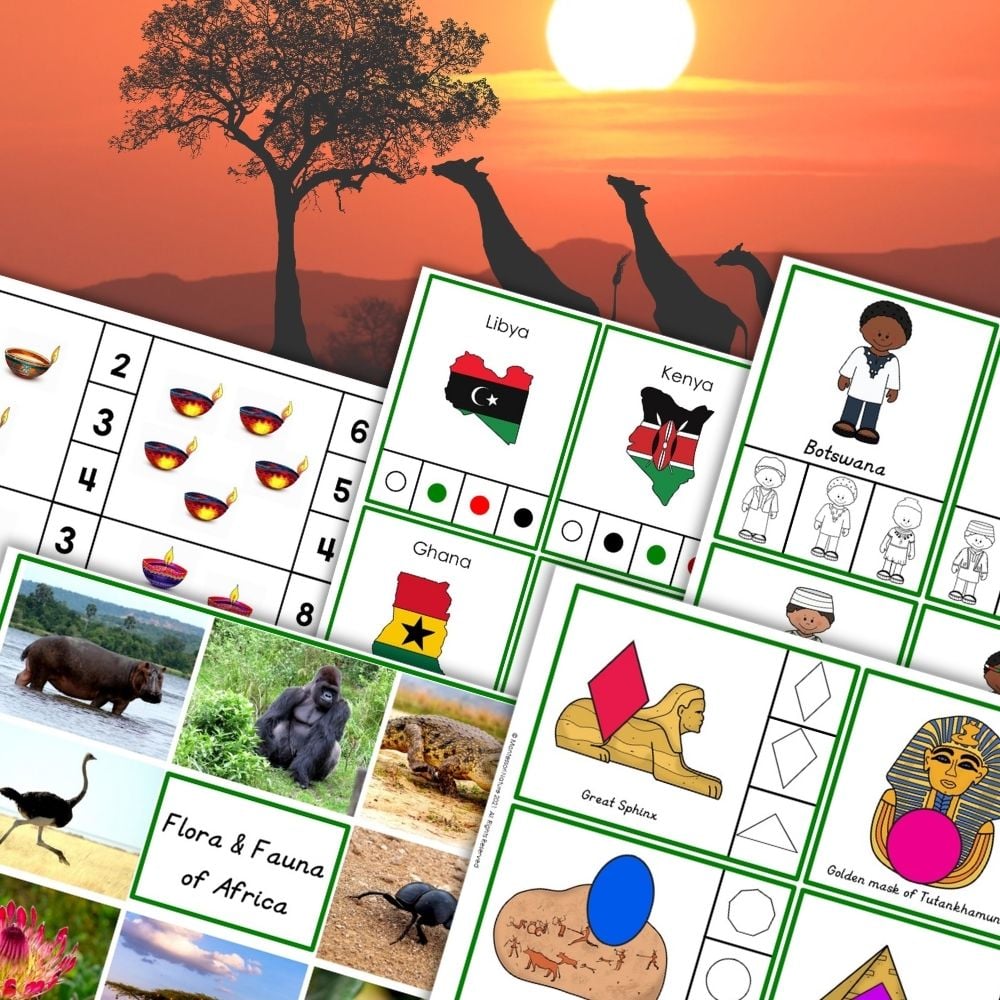
Africa Preschool Activity Pack
$5.10 -
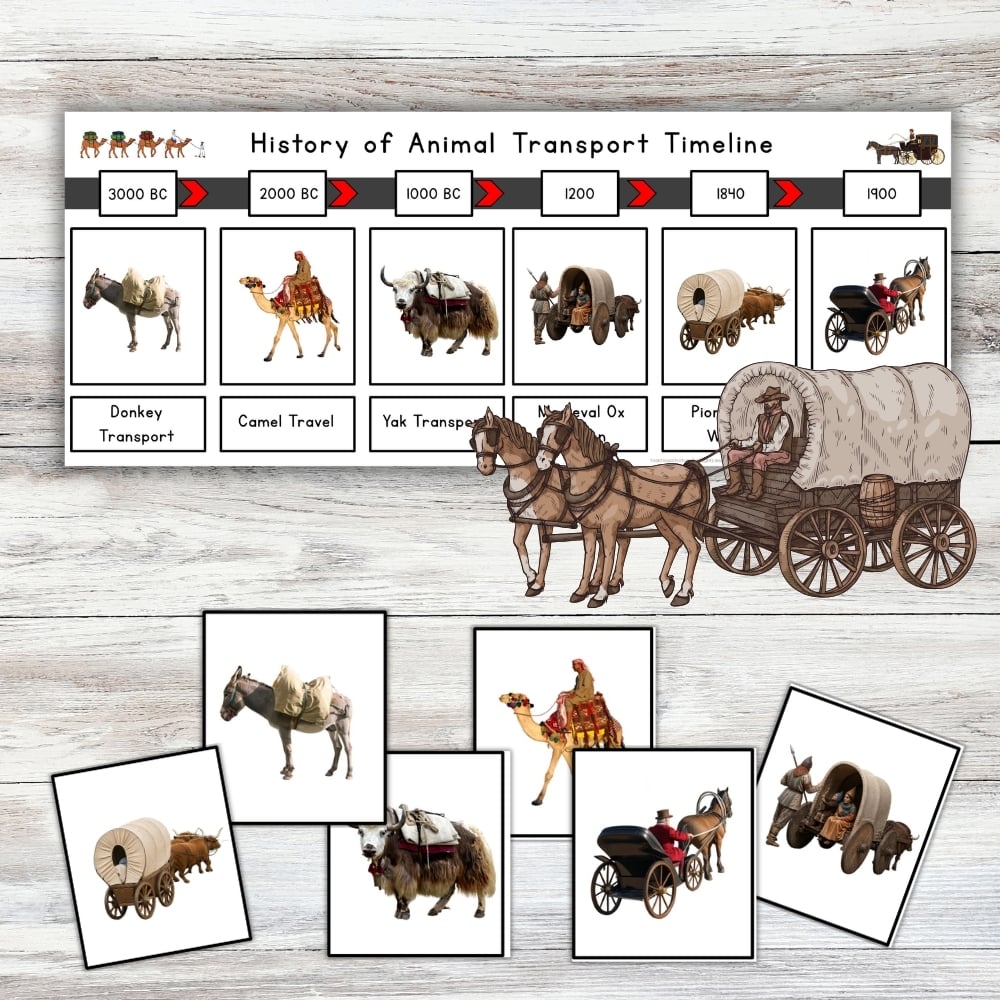
Animal Transport History Timeline: Sort Sequencing Activity Blackline Preschool K
$3.10 -
Antarctica Preschool Activity Pack
$4.10 -
Apple Preschool Activities Life Cycle Play Doh Mats
$4.60 -
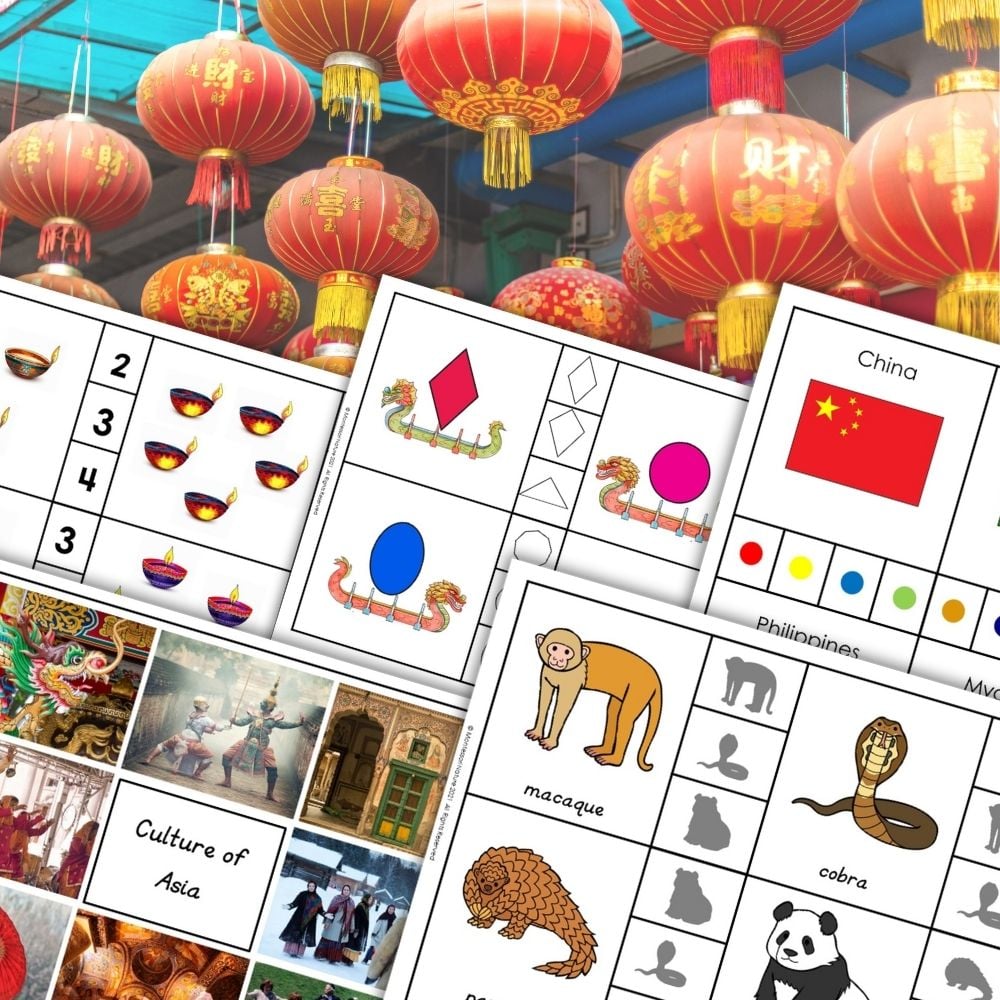
Asia Preschool Hands on Activity Pack
$4.10 -
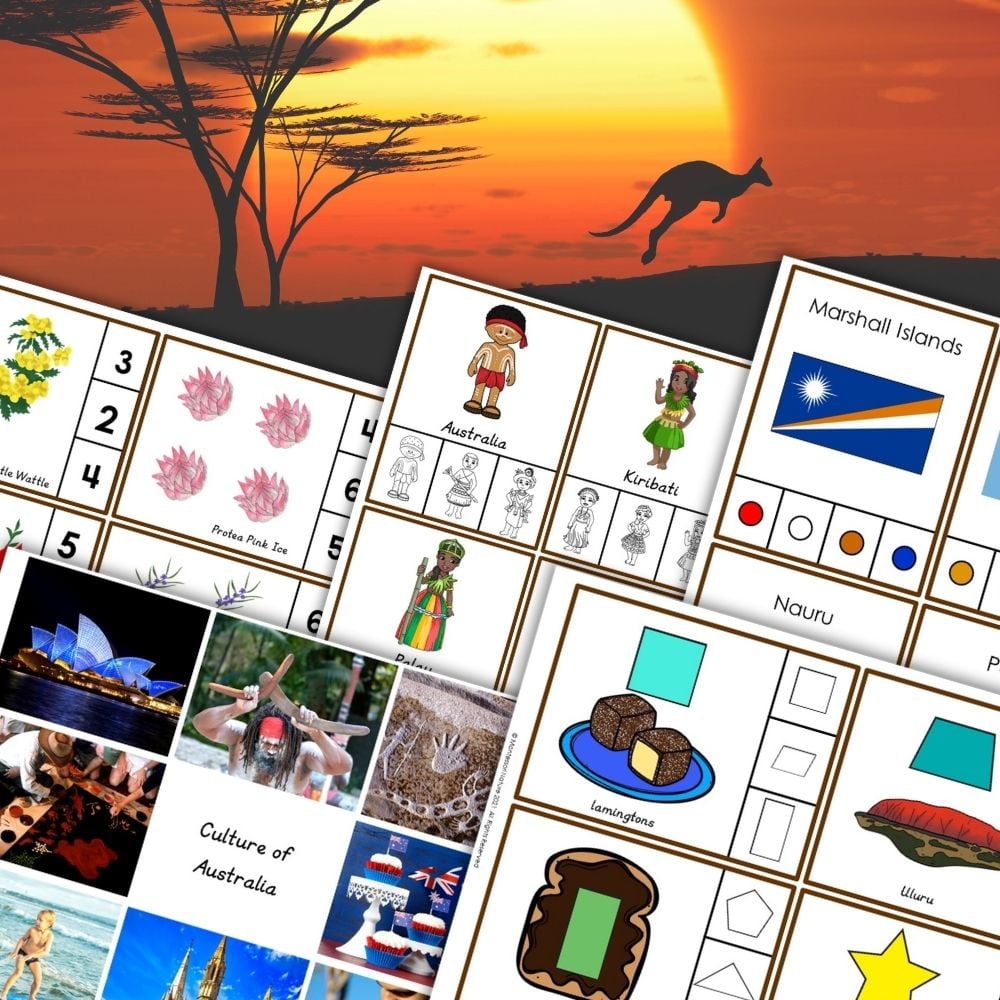
Australia Oceania Preschool Activity Pack
$5.40 -
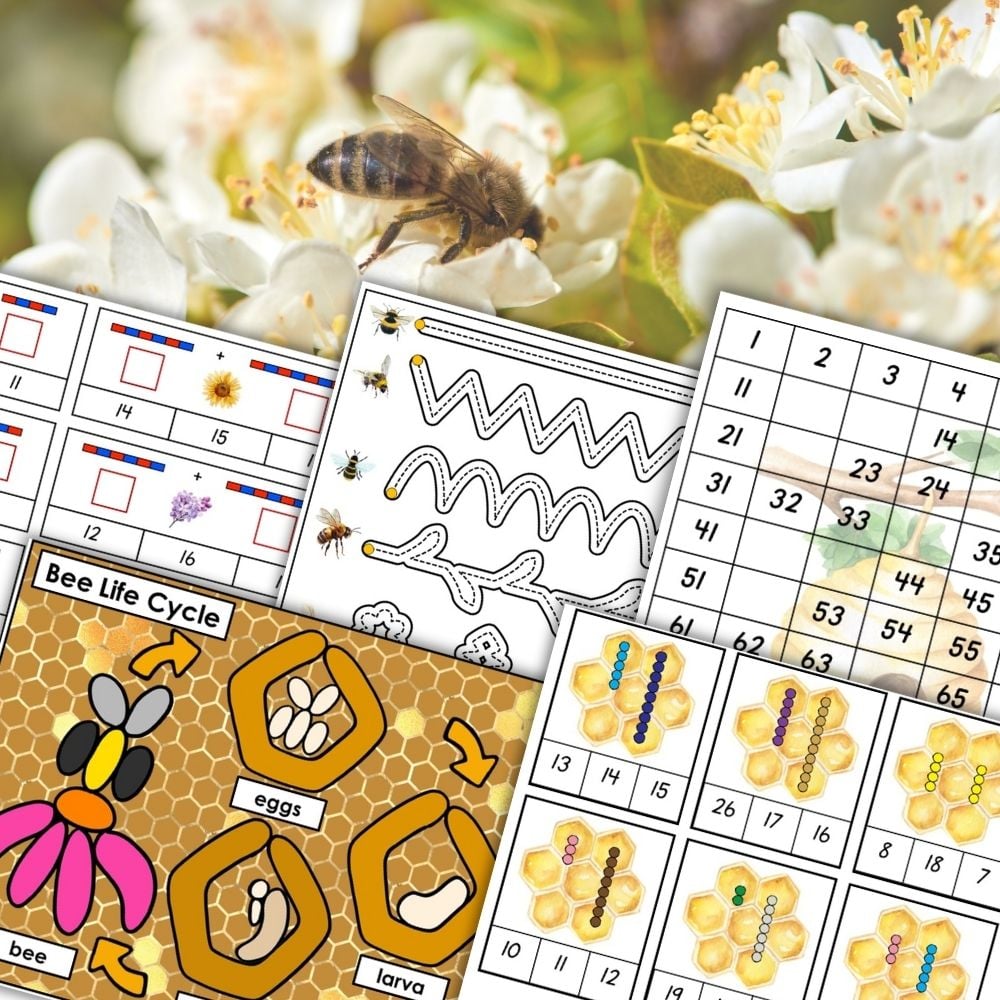
Bee Preschool Activities and Life Cycle Play Doh Mats
$3.50 -

Birds Preschool Activity Pack
$6.40 -
Car History Timeline: Sort Sequencing Activity Blackline Preschool K
$3.10




About Anastasia | Anastasia is an early childhood teacher with over twenty years of experience in Montessori classrooms and homeschooling. With a Master’s in Information Science, she blends education and information design to create clear, organized, research-backed resources. As founder of Montessori Nature, she develops evidence-based, nature-inspired printables that support holistic child development and foster curiosity, independence, and a love of learning. Explore more in her shop and Teachers Pay Teachers store.


