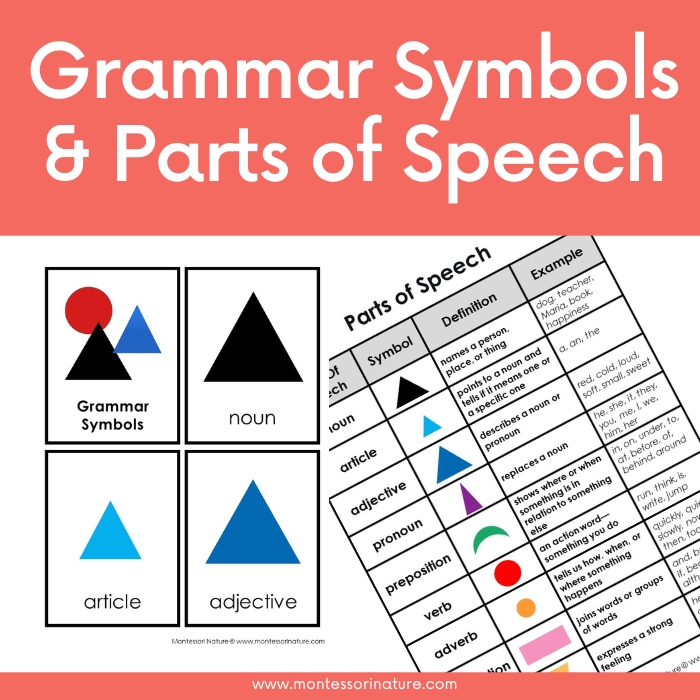
I’ve created a free printable set: Grammar Symbols 3-Part Cards and a Parts of Speech Poster. Before you grab it, I want to explain why Montessori classrooms use these specific shapes for grammar, how the approach works in practice, and why it’s effective.
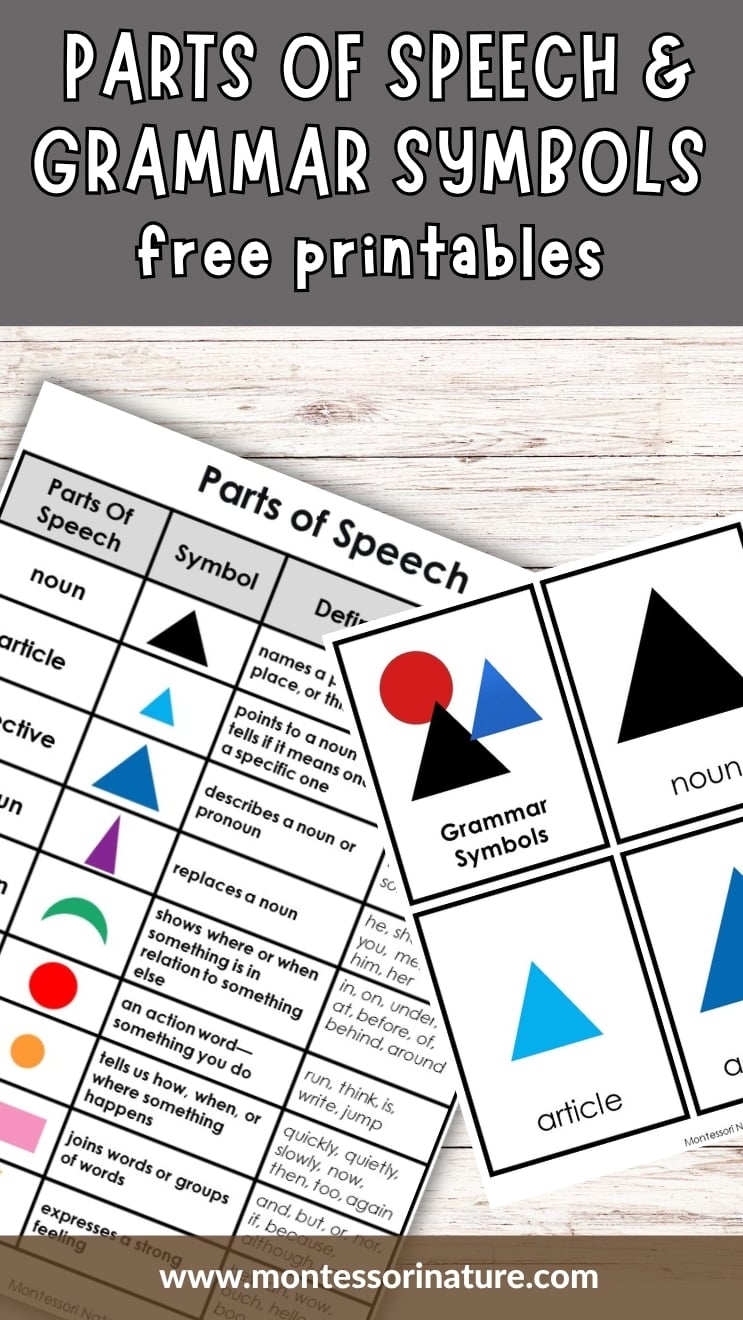
In a Montessori classroom, grammar symbols are a core material. Each part of speech has a distinct shape and color: the noun is a large black triangle (or pyramid), the verb is a large red circle, the adjective is a medium dark blue triangle, the adverb is a small orange circle, the article is a small light blue triangle, the pronoun is a tall purple triangle, the preposition is a green crescent, the conjunction is a pink bar, and the interjection is a gold oval or keyhole shape. These symbols are not decorative. They are a concrete representation of an abstract concept.
The method follows Montessori’s principle of moving from concrete to abstract. A young child cannot hold the idea of “noun” in their hand, but they can hold a black triangle. The shape becomes a physical stand-in for the grammatical function. The child places the triangle above a word and can see the sentence’s structure emerge. The size and shape of each symbol carry meaning: the verb’s large red circle reflects its central role in the sentence; the noun’s large, stable triangle reflects the thing it names; the adverb’s small orange circle suggests something quick or incidental. The symbols are consistent across all parts of speech, so a child who learns them early can use them for years as sentences become more complex.
In practice, a Montessori teacher does not stand at the front of the room and lecture. Instead, a small group of children gathers around a rug. The teacher might lay out a few objects—a small dog, a red ball, a book—and ask, “Which word names this?” The child says “dog,” and the teacher places the black triangle above the word card. Then she asks, “Now find the word that tells us what the dog does.” The child picks “runs,” and the red circle goes above it. There is no worksheet and no fill-in-the-blank. The work is hands-on, visual, and often self-correcting: if the symbols don’t fit the pattern, the child can usually see it.

Why teach grammar this way? Because children learn best when they can touch and manipulate ideas. Grammar can feel abstract and dry, but colored shapes turn it into a kind of code. Children sort, match, and label. The symbols give them a way to analyze a sentence rather than simply memorize a definition. The approach is also developmental: a child who learns the symbols early can use them for years, first with simple sentences and later with more complex ones.
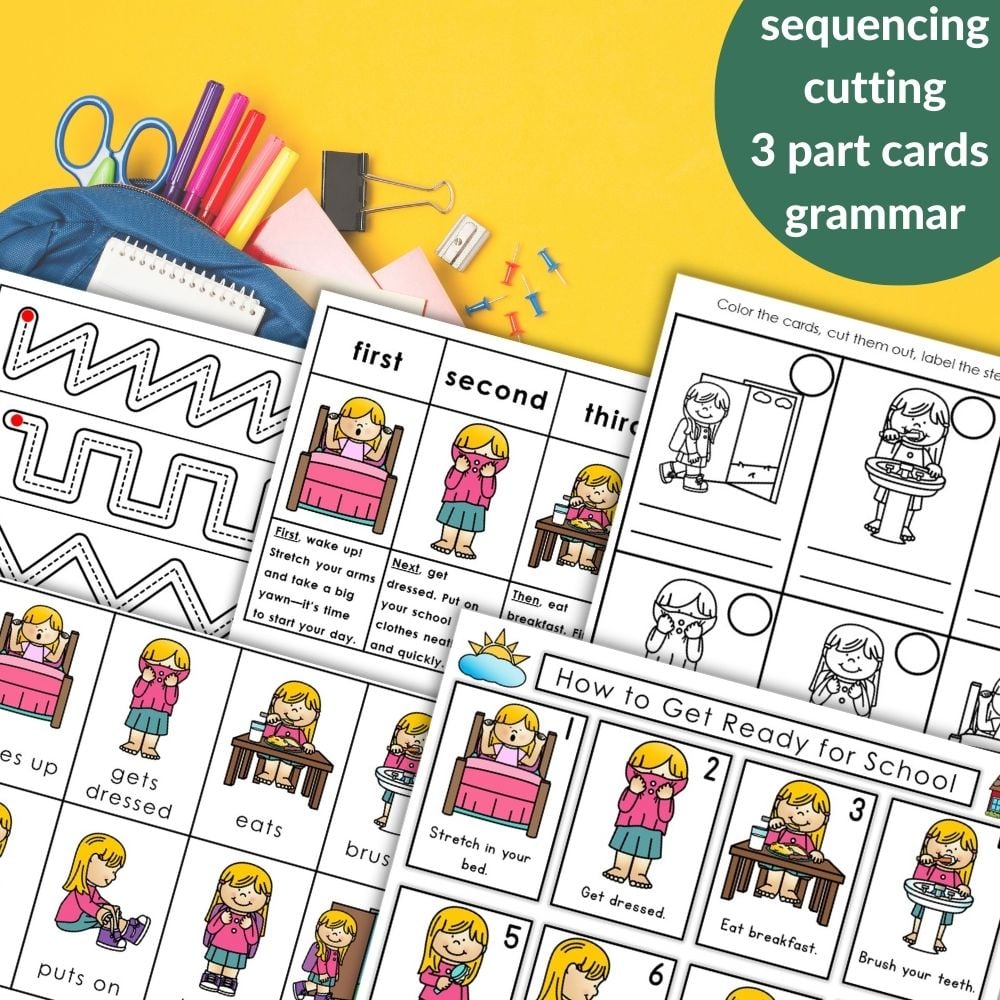
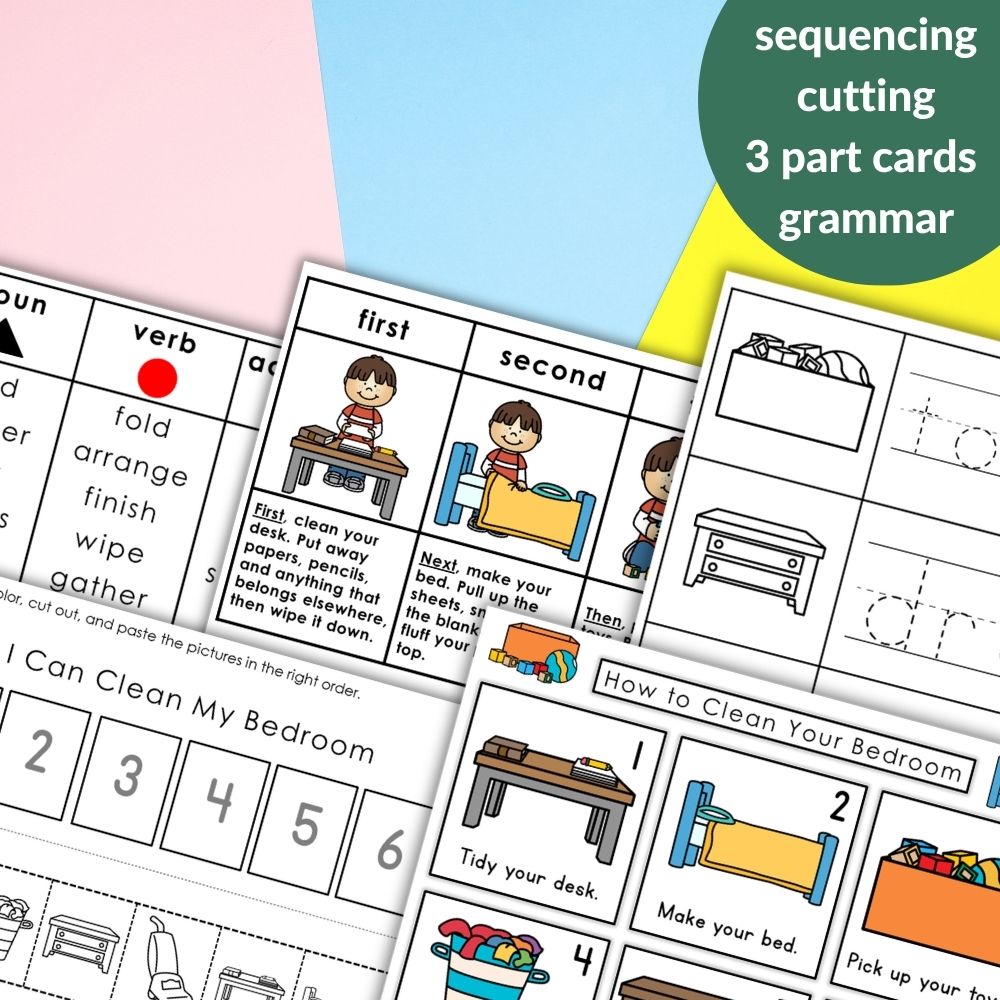
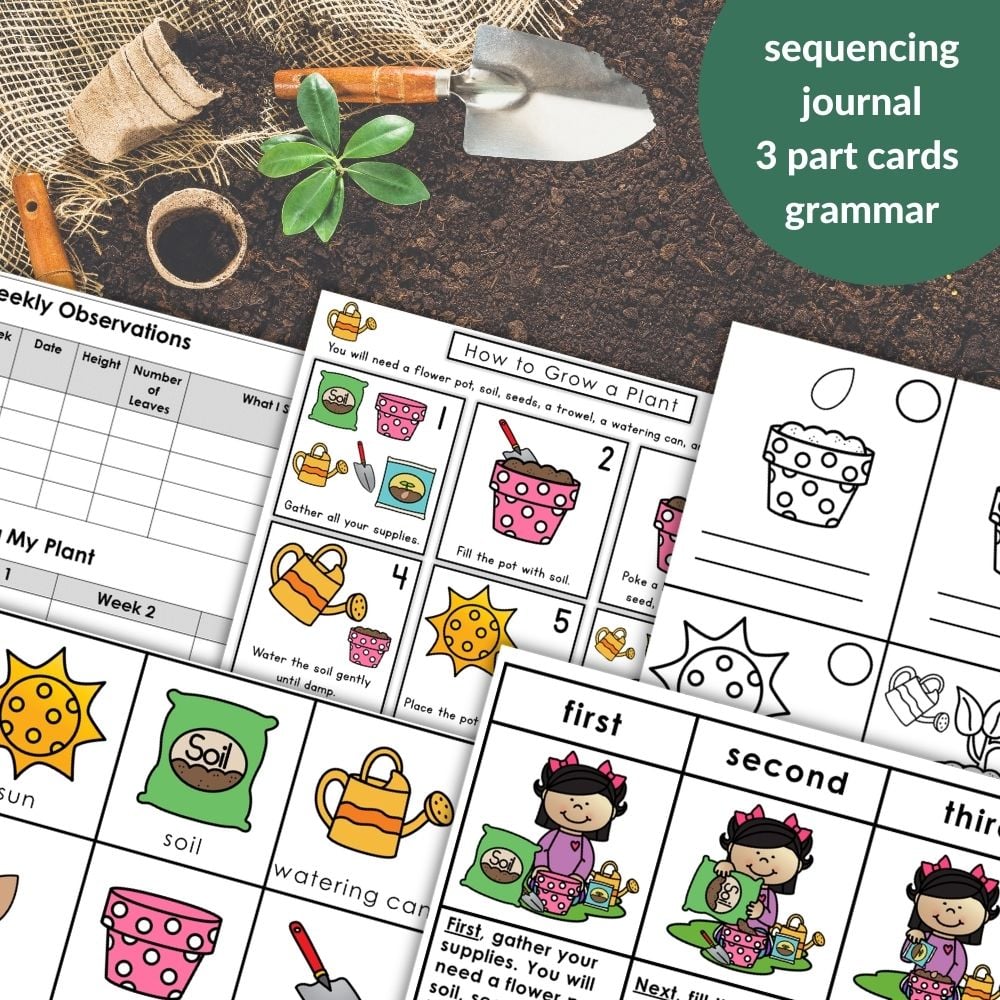
The “How to” sequencing sort extends this work. Children receive a set of picture-and-word cards (for example, “How to make a sandwich” or “How to plant a seed”) and sort the words by part of speech—verbs, nouns, adverbs, and adjectives.
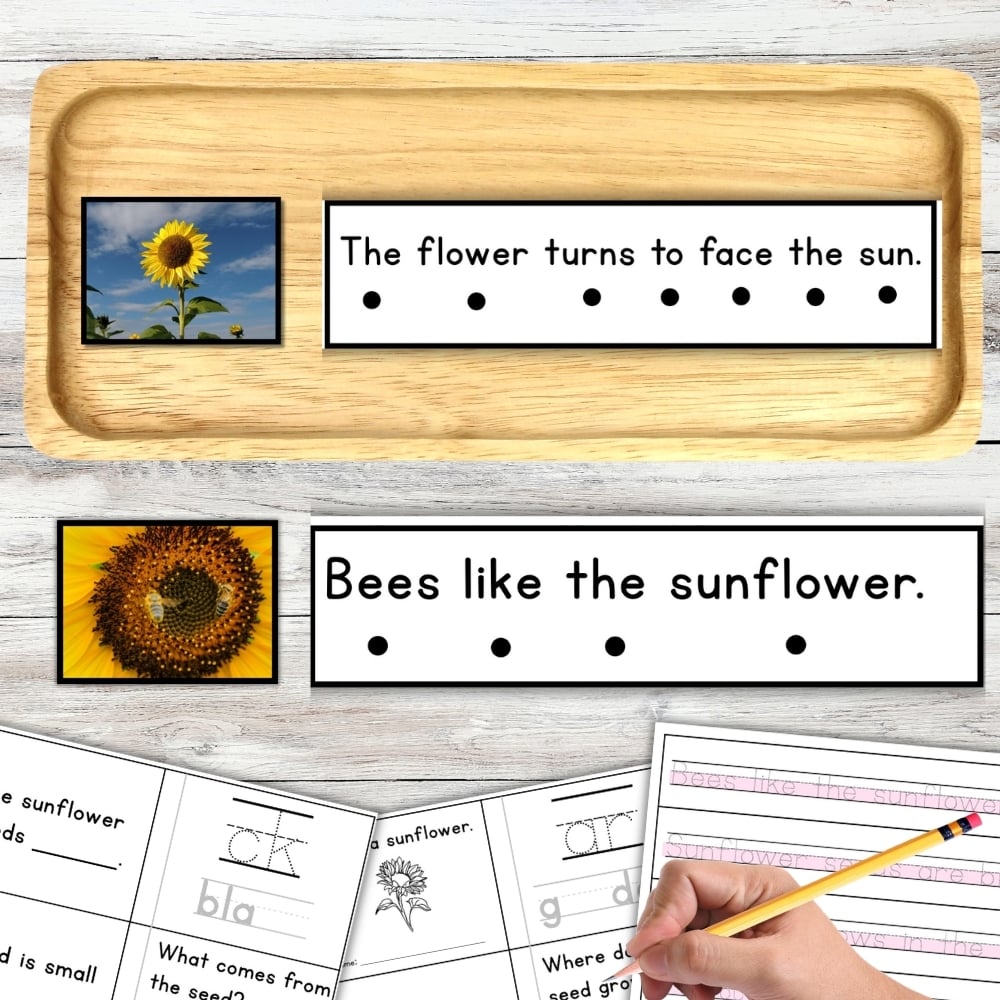
The sentence strips with photos focus on comprehension. Each strip has a simple sentence (“The cat sleeps on the warm rug”) and a matching photo. The child reads the sentence, finds the photo, and then, if ready, symbolizes the sentence with the grammar symbols. This connects reading comprehension with grammar in a structured, unforced way.
Grammar symbols are not merely cute shapes. They are a bridge from the concrete to the abstract—from “I see a word” to “I understand what that word does.” You can start small: print the 3-part cards, display the poster, and let the child explore. When ready, add the sorting and sentence strip activities.
Recommended products
-

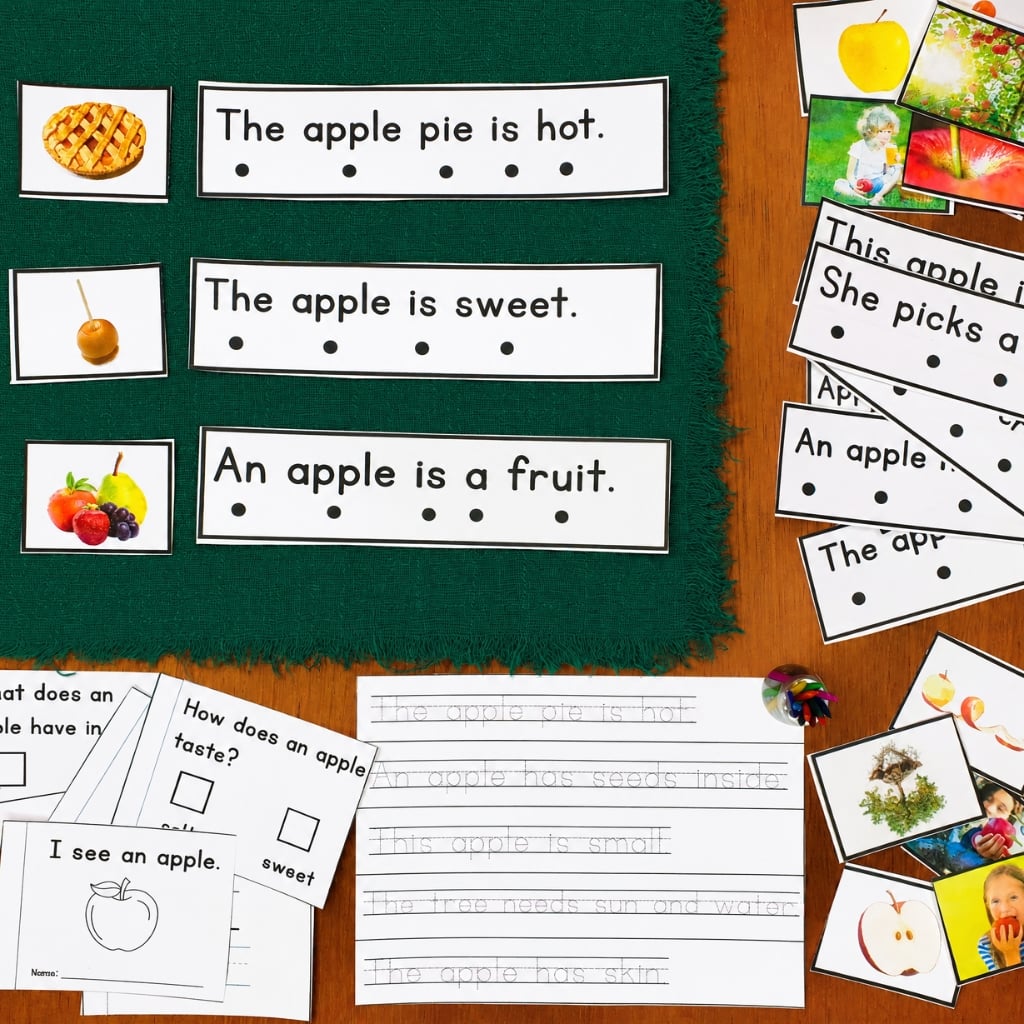
Apple Comprehension Phonics
$2.50 -
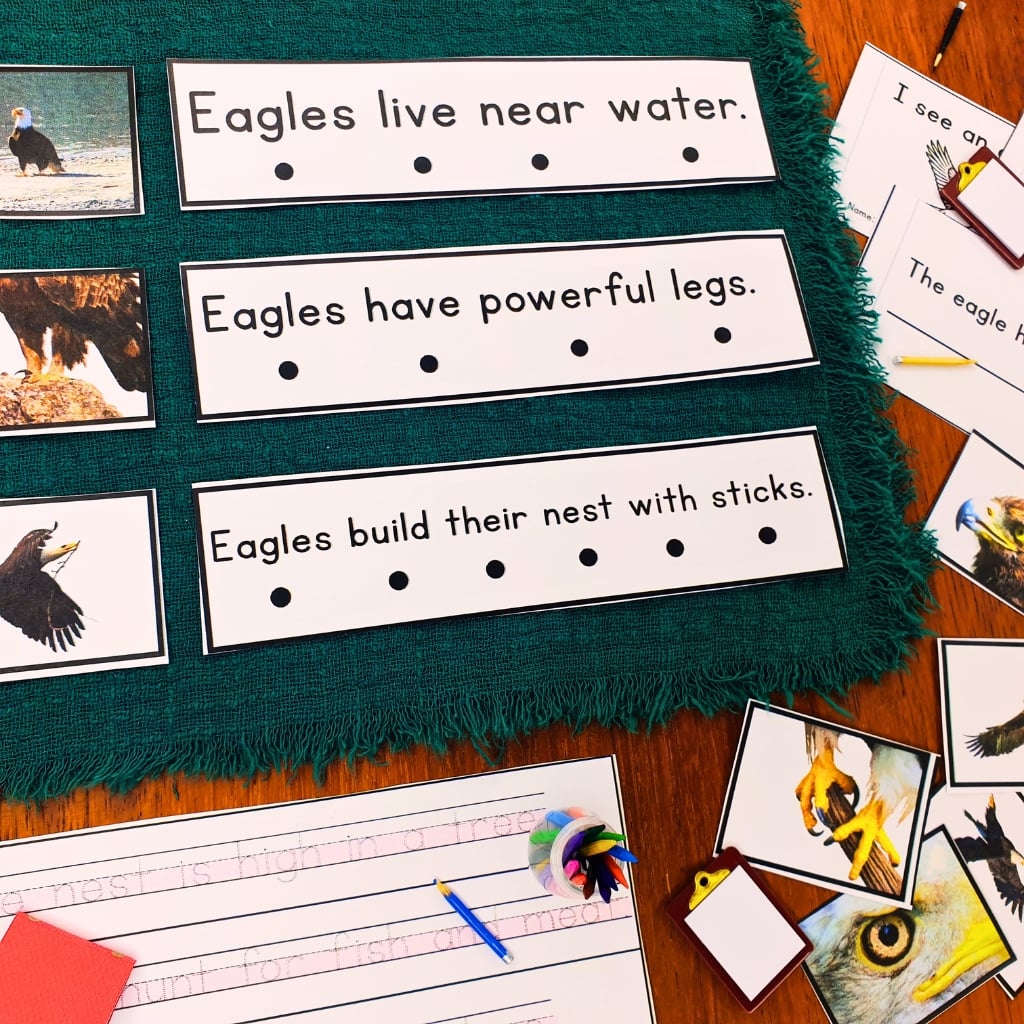
Eagles Sentence Strips Comprehension Phonics
$2.50 -

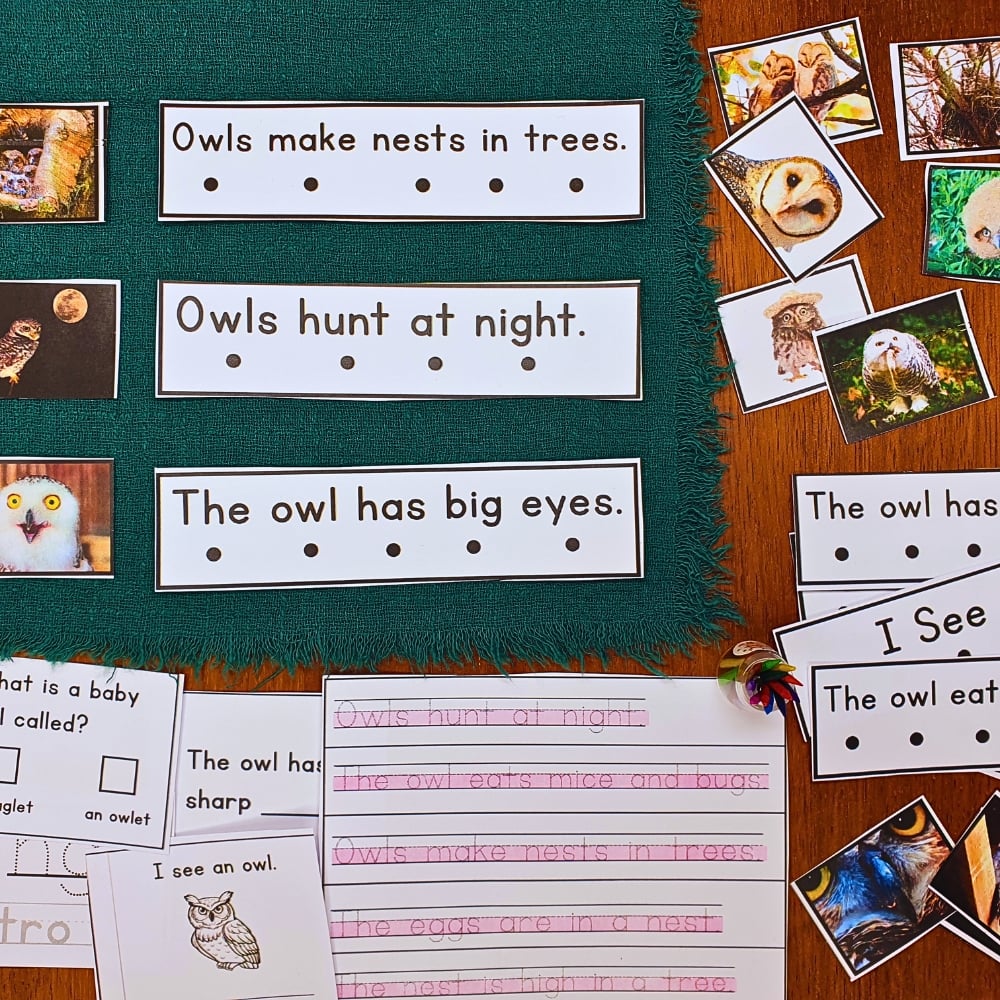
Owl Phonics Reader Comprehension
$2.50 -
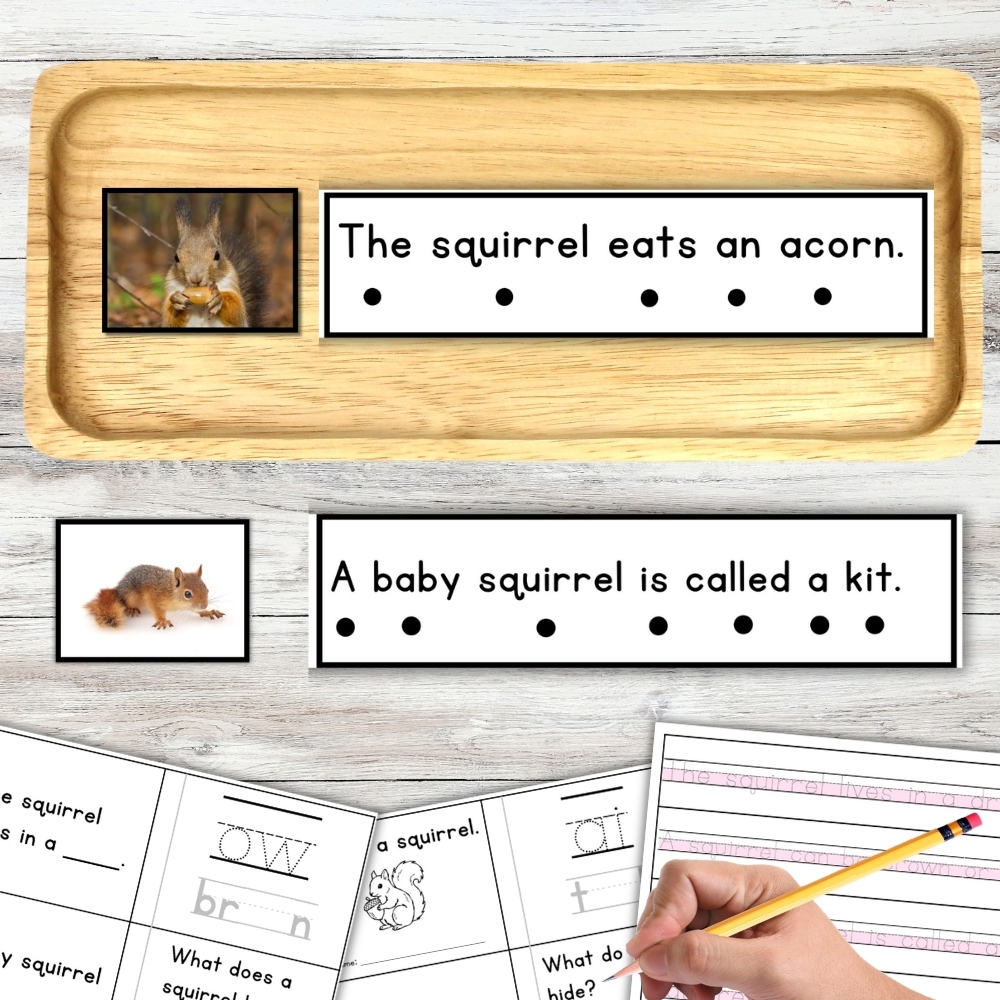
Squirrel Sentence Strips Comprehension Phonics
$2.50 -
Sunflower Comprehension Phonics
$2.50 -
How to Get Ready for School Daily Routine
$3.10 -
How to Clean Your Bedroom Daily Chores Sequencing Cards
$3.60 -
How to Grow a Plant Spring Summer Gardening Sequencing Cards
$3.90 -
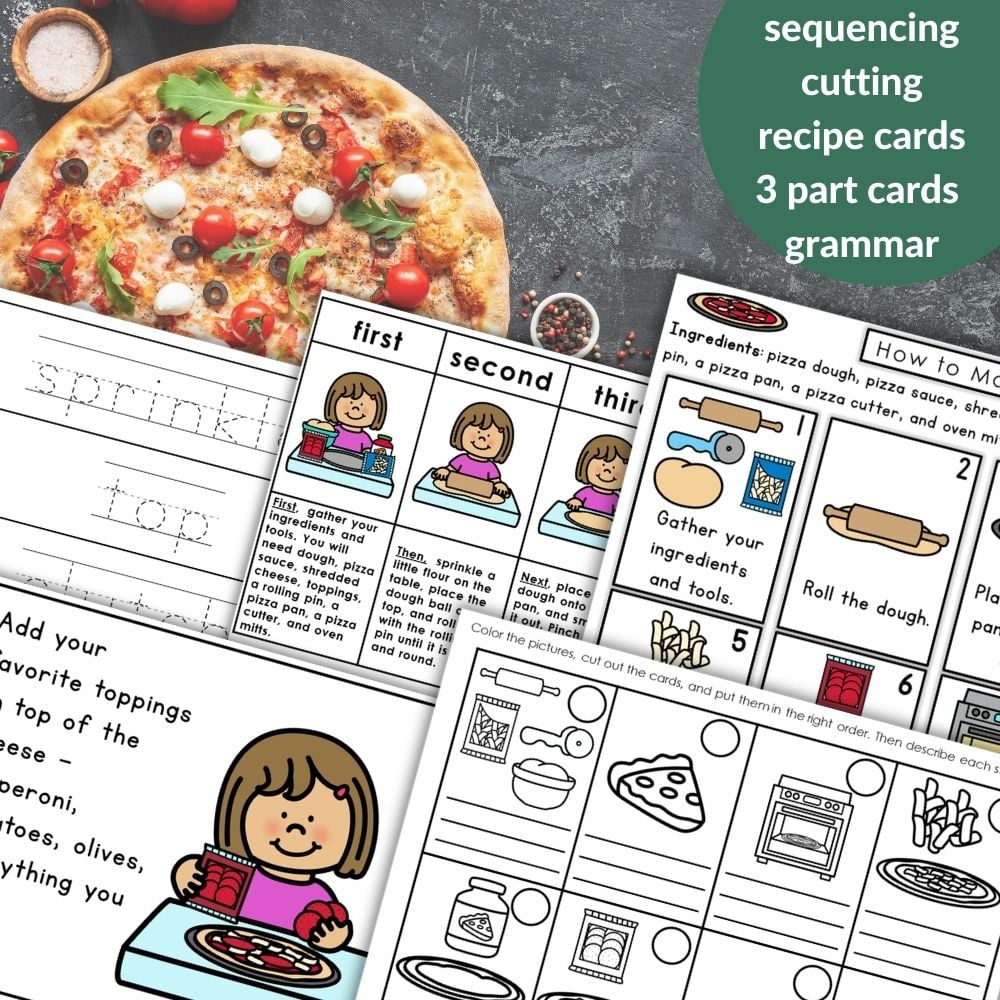
How to Make a Pizza Practical Life Recipe Sequencing Cards
$4.60 -
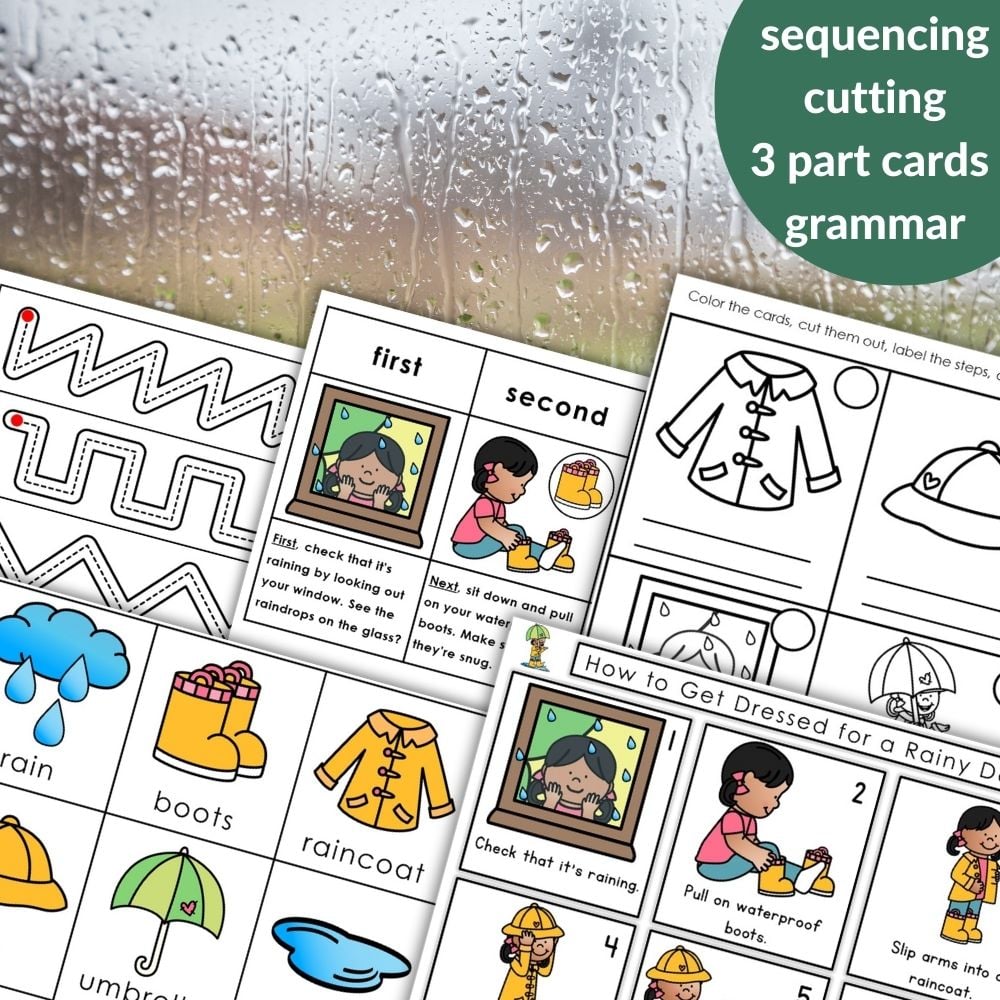
How to Get Dressed for a Rainy Day
$3.10 -
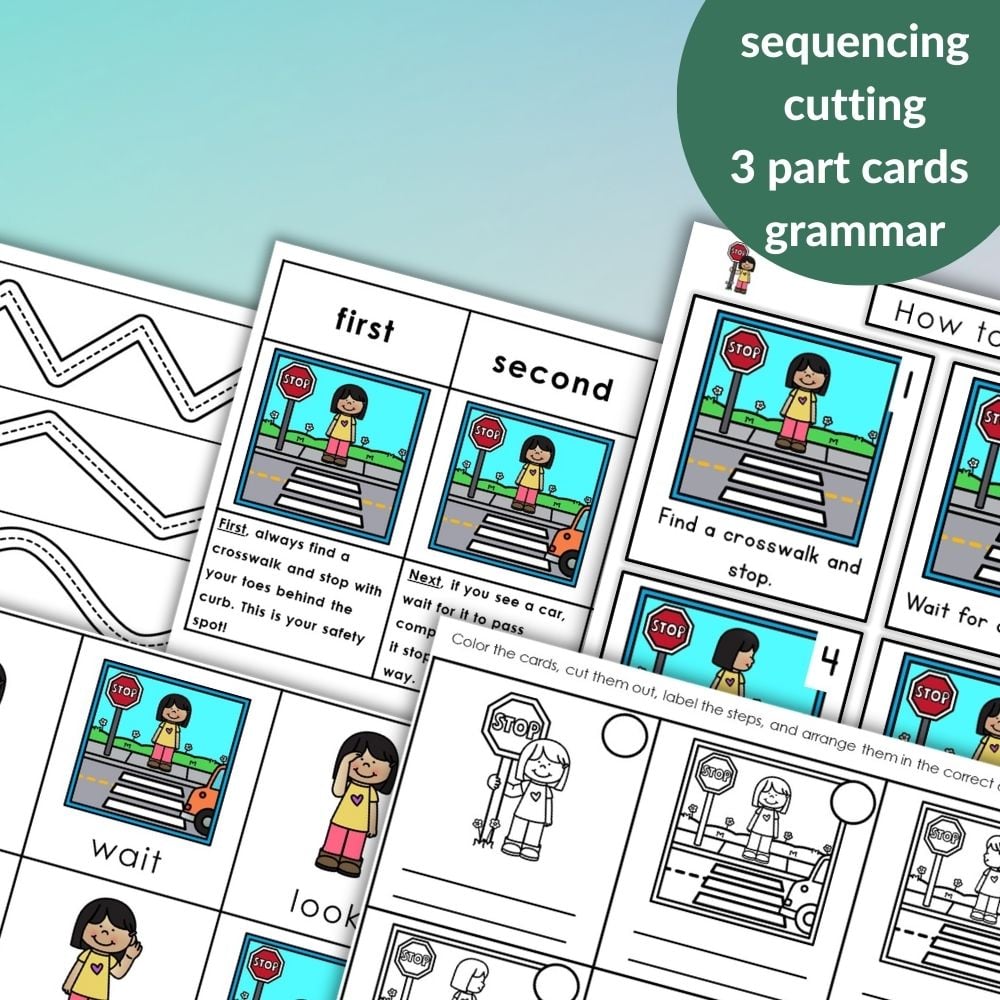
How to Cross the Street Safety Activities
$3.10 -
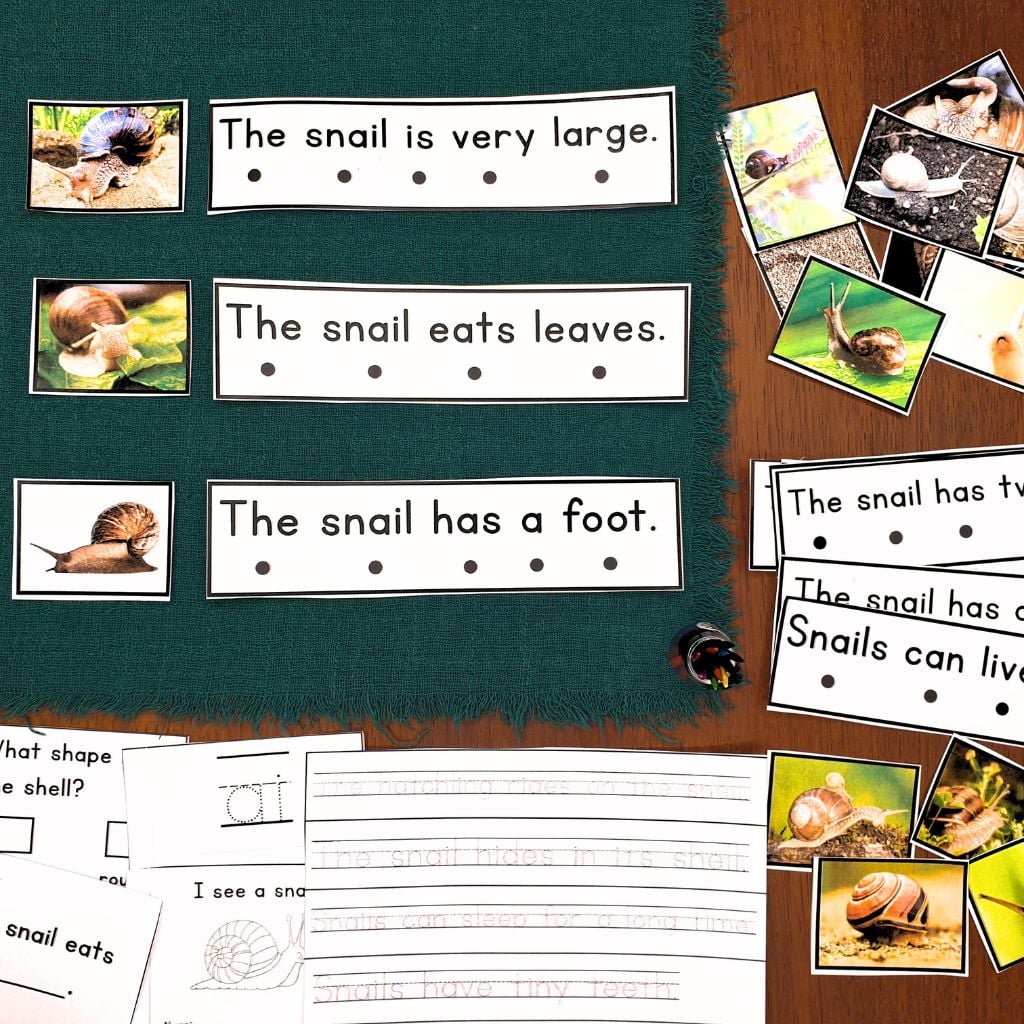
Snail Phonics Reader Comprehension
$2.50
About Anastasia | Anastasia is an early childhood teacher with over twenty years of experience in Montessori classrooms and homeschooling. With a Master’s in Information Science, she blends education and information design to create clear, organized, research-backed resources. As founder of Montessori Nature, she develops evidence-based, nature-inspired printables that support holistic child development and foster curiosity, independence, and a love of learning. Explore more in her shop and Teachers Pay Teachers store.


