Finding the best books for 8-9 -year-olds can feel like navigating a literary maze. At this pivotal age, children are transitioning from learning to read to reading to learn, making it the perfect time to cultivate a deep and lasting love of literature. This guide is designed to help parents, educators, and caregivers discover exceptional book recommendations for 8 and 9-year-olds across multiple categories, from Montessori-friendly non-fiction to timeless classics and faith-based stories. Whether you’re seeking to inspire wonder about the universe, build emotional intelligence, or introduce diverse cultures through translated works, our carefully curated selections prioritize character development, the Living Books philosophy, and age-appropriate content. Discover the best chapter books, non-fiction books, and Christian books for 8 and 9-year-olds that will engage their growing minds and nurture their souls.
Disclosure: Some of the links in this post are Amazon affiliate links, which means I may earn a small commission—at no extra cost to you—if you choose to purchase through them. I only recommend books that our family has genuinely loved and that align with the values and principles shared here.
Non-Fiction Books: cosmic education
At eight to nine years old, children are in what Maria Montessori called the “second plane of development,” a period characterized by a voracious intellectual appetite and a powerful imagination. They are naturally drawn to grand narratives that help them understand their place in the cosmos. The Montessori “Five Great Lessons” are designed to do just that—offering awe-inspiring stories of the universe, life, and human civilization. To inspire a love of reading about non-fiction, treat these books not as dry textbooks but as stories of wonder. Display these books prominently on a low shelf, organized by theme, and allow your child to explore them at their own pace. Pairing a beautifully illustrated book with a related hands-on activity, like a simple science experiment or a nature walk, can bring these concepts to life.

Non-Fiction Recommendations:
- The Story of Life by Catherine Barr & Steve Williams – A sweeping narrative that traces the history of life on Earth in an accessible, beautifully illustrated format perfect for young minds.
- Our Family Tree: An Evolution Story by Lisa Westberg Peters – Presents the story of evolution as a family history, making complex scientific concepts relatable and memorable for children.
- The Great Big Book of Space by Peter Grego – An inviting introduction to astronomy, filled with facts and images that answer the questions children naturally ask about the cosmos.
- Earth! My First 4.54 Billion Years by Stacy McAnulty – Told from Earth’s humorous first-person perspective, this book makes planetary science engaging and entertaining for eight-year-olds.
- Ocean: A Photicular Book by Dan Kainen – Uses moving images to bring sea creatures to life, creating a mesmerizing reading experience that inspires wonder about marine life.
- The Elements Book: A Visual Encyclopedia of the Periodic Table by DK – Stunning photography and clear explanations make the building blocks of our universe accessible to young scientists.
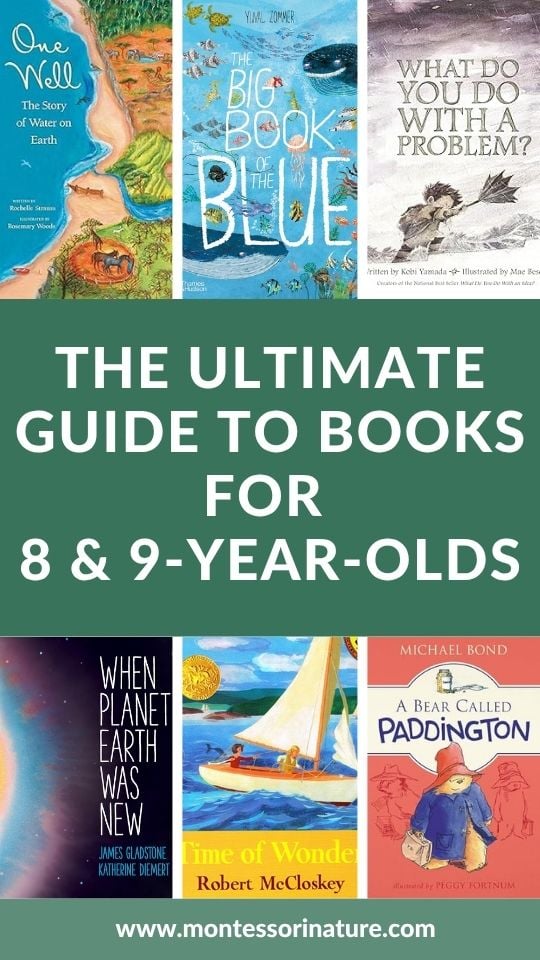
- When Planet Earth Was New by by James Gladstone – A poetic and imaginative retelling of Earth’s early history that sparks curiosity about geology and natural history.
- Volcanoes: Mountains of Fire by Eric Arnold – An exciting deep dive into the fiery forces that shape our planet, written with young readers in mind.
- Mammals Who Morph: The Universe Tells Our Evolution Story by Jennifer Morgan – The second in a trilogy, this book continues the story of evolution with engaging narrative and vibrant illustrations.
- One Well: The Story of Water on Earth by Rochelle Strauss – Explores the interconnectedness of all life through the lens of the world’s water supply, fostering environmental awareness.
- North: The Amazing Story of Arctic Migration by Nick Dowson – Follows the incredible journeys of animals migrating to the Arctic, highlighting the wonders of the natural world.
- The Story of Inventions by Anna Claybourne – Chronicles human ingenuity through the ages, showing children how ideas become reality and change the world.
- Microscopic Monsters by Nick Arnold – From the Horrible Science series, this book makes microbiology fun and slightly gross, appealing to the eight-year-old sense of curiosity.
- The Big Book of the Blue by Yuval Zommer – A gorgeous, oversized book filled with fascinating facts about sea creatures, encouraging exploration and appreciation of marine life.
- How Everything Works: Electricity, Technology, Engineering, Robotics, The Human Body, Ecosystems, Flight, Sound, and So Much More! by Jamie Myers – A comprehensive exploration of how things work, covering everything from electricity and technology to the human body and ecosystems in engaging, accessible language.
- Picturepedia, Second Edition: An Encyclopedia on Every Page by DK – A visually stunning encyclopedia covering a wide range of topics with photographs, illustrations, and infographics on every page.
- The Story of Paintings: A History of Art for Children by Mick Manning – An engaging introduction to the history of art, exploring famous paintings, artists, and movements in a way that sparks creativity and appreciation.
Chapter Books: Engaging Stories for Growing Readers
For 8 and 9-year-olds, chapter books represent a significant milestone. These children are becoming fluent readers, and they need stories with compelling plots, relatable characters, and enough complexity to hold their interest. To foster a love of reading, look for “living books”—a term coined by Charlotte Mason for books that are well-written and engage the imagination by presenting ideas in a narrative form. These books are the opposite of dry, formulaic “twaddle.” Encourage reading by creating a cozy reading nook with good lighting and a comfy chair, and by modeling reading yourself. Let your child see you lost in a book! The book display should feature covers facing outward to catch their eye.
Chapter Book Recommendations:
- Charlotte’s Web by E.B. White – The timeless story of friendship, loyalty, and sacrifice between a pig and a spider, written with warmth and wisdom that speaks directly to children’s hearts.
- The Borrowers by Mary Norton – A magical tale of tiny people who live beneath the floorboards and “borrow” from humans, sparking imagination and wonder about unseen worlds.
- Pippi Longstocking by Astrid Lindgren – The irrepressible, strong-willed Pippi captivates readers with her independence, humor, and unconventional approach to life.
- The Box of Delights by John Masefield – A classic adventure filled with magic and mystery, perfect for children ready for more complex storytelling.
- The Magic Faraway Tree by Enid Blyton – Whimsical adventures in an enchanted wood, with characters and lands that ignite a child’s imagination.
- Just So Stories by Rudyard Kipling – Original, imaginative tales that explain how things came to be, written with lyrical language and playful storytelling.
- The Complete Tales & Poems of Winnie-the-Pooh by A.A. Milne – The beloved bear of little brain and his friends in the Hundred Acre Wood, offering gentle humor and profound insights into friendship.
- A Bear Called Paddington by Michael Bond – The charming adventures of a bear from darkest Peru, whose good intentions always lead to delightful mishaps.
- Beezus and Ramona by Beverly Cleary – Captures the everyday dramas and humor of childhood through the eyes of a girl dealing with her spirited little sister.
- Little House in the Big Woods by Laura Ingalls Wilder – A window into pioneer life, rich with detail about family, nature, and resilience.
- The Wind in the Willows by Kenneth Grahame – Lyrical prose and memorable characters like Mole, Rat, and Badger create a world of friendship and adventure along the riverbank.
- Heidi by Johanna Spyri – The classic Swiss story of an orphaned girl who brings joy to everyone around her, set against the beautiful backdrop of the Alps.
- Stuart Little by E.B. White – The gentle, adventurous story of a mouse born to a human family, navigating the world with courage and kindness.
- James Herriot’s Treasury for Children by James Herriot – Heartwarming animal stories from the beloved veterinarian, filled with compassion and a deep love for creation.
- The Wild Robot by Peter Brown – A modern, approachable sci-fi/fable about a robot who learns to survive in the wild, with chapter-friendly pacing and an engaging premise that makes it a favorite among teachers and librarians.
- The One and Only Ivan by Kate DiCamillo – A Newbery-winning story inspired by a real gorilla who spent years in a mall, imagined with heart and accessible language that builds empathy and wonder.
- Flora and Ulysses: The Illuminated Adventures by Kate DiCamillo – A Newbery winner following a self-proclaimed cynic and a superhero squirrel, blending prose with comic-style illustrations.
- Save Me a Seat by Sarah Weeks and Gita Varadarajan – Two kids from different backgrounds join forces to squash the class bully, tackling classroom dynamics with heart and humor.
- Inspiring & Magical Horse Stories for Girls by Lottie Hansen – Ten tales of fun, friendship, and adventure designed for pony-loving girls aged 8-12, featuring inspiring stories about courage, loyalty, and the bond between girls and horses.
- The Boxcar Children Mysteries Boxed Set 1-4 by Gertrude Chandler Warner – The first four books in the beloved classic series following four orphaned children who make a home in an abandoned boxcar and solve mysteries together.
- Lots of Knock-Knock Jokes for Kids by Whee Winn – A laugh-out-loud busy book with over 250 jokes, riddles, tongue twisters, and puns, perfect for sharing laughter with friends and family.
- Warriors: Tigerstar and Sasha: 3 Full-Color Warriors Books in 1 by Erin Hunter – A full-color graphic novel collection featuring three adventures from the beloved Warriors universe, following Tigerstar and Sasha in the epic feline saga.
Christian Books: Nurturing Faith and Character
At age eight, children are capable of grasping more profound spiritual concepts. Christian books for this age can serve as powerful tools for developing a biblical worldview and understanding core tenets of faith, such as courage, sacrifice, and redemption. These books often address big questions about God, truth, and morality in an accessible way. The best Christian books for children are those that weave faith into compelling narratives rather than being overtly preachy. To inspire a love for these stories, read them aloud as a family, pausing to discuss the characters’ choices and how they reflect biblical principles. Display these books together on a family bookshelf, perhaps alongside a Bible and other religious items, to signify their importance.
Christian Book Recommendations:
- The Lion, the Witch and the Wardrobe by C.S. Lewis – The first-published Narnia chronicle, where children discover a magical world and encounter the sacrificial love of Aslan, a clear allegory for Christ.
- Girl Saints for Little Ones by Kimberly Fries – A beautifully illustrated Catholic devotional book featuring twelve inspiring female saints, complete with short biographies and quotes, designed to inspire young girls to deepen their faith and follow in the footsteps of these heroic women of virtue.
- Little Pilgrim’s Progress by Helen L. Taylor – A beloved adaptation of John Bunyan’s classic allegory, making the spiritual journey accessible to young readers.
- The Gift of the Mass for Little Ones by Kimberly Fries – A beautiful book that opens children’s eyes to the beauty and mystery of the Mass, guiding them to recognize how God’s love is realized each time they participate in the Holy Sacrifice. Images of the Mass and quotes from great Saints bring to life the deep truths of what we may not see, but know in the deep recesses of our hearts.
- The Wingfeather Saga (Book 1: On the Edge of the Dark Sea of Darkness) by Andrew Peterson – A richly imagined fantasy series with themes of family, sacrifice, and redemption woven throughout the adventure.
- The Bark of the Bog Owl by Jonathan Rogers – The first book in the Wilderking Trilogy, drawing on the story of David in a fresh, imaginative setting that explores faith and courage.
- Corrie ten Boom: Keeper of the Angels’ Den by Janet & Geoff Benge – Part of the Christian Heroes series, this biography inspires children with the true story of a woman who hid Jews during World War II.
- The Secret of the Hidden Scrolls (Book 1: The Beginning) by M.J. Thomas – An adventure series where children travel through time to experience biblical events firsthand.
- Voyage with the Vikings (Imagination Station) by Marianne Hering & Paul McCusker – Historical fiction that introduces children to key figures and events from a faith perspective.
- The Adventures of Bo and Mr. Quillery: An Early Chapter Book for Kids by Andrew K. Johnston – Sheriffs Bo the Great Pyrenees and Mr. Quillery the bobwhite quail must use teamwork, quick thinking, and bravery to rescue a lost chick from the villainous rattlesnake gang.
- The Prince Warriors by Priscilla Shirer – An allegorical adventure series about spiritual warfare, equipping children with biblical truths in an engaging format.
- Tales of the Kingdom by David & Karen Mains – Allegorical stories that point to the kingdom of God, filled with adventure and moral clarity.
- Little Lights Series (e.g., Gladys Aylward) by Catherine Mackenzie – Accessible biographies of missionaries and Christian heroes that inspire children with real-life examples of faith.
- The Outsider: Ruth – A Retelling by Katy Morgan – A fresh retelling of the biblical story of Ruth, showing God’s faithfulness and providence.
- The Songs of a Warrior: Saul and David – A Retelling by Katy Morgan – Brings the Old Testament story of Saul and David to life, exploring themes of pride, humility, and God’s choices.
Books for Personal Growth and Emotional Intelligence
Navigating emotions is a core task for 8 and 9-year-olds. Books focused on personal growth and emotional intelligence can help children develop self-regulation skills, empathy, and resilience. They learn to identify and manage big feelings like frustration, anger, and anxiety. When choosing these books, look for ones that teach valuable lessons without being didactic. Stories with relatable characters who model healthy coping mechanisms are most effective. To encourage engagement, read these books together and use them as a springboard for conversation. Ask your child questions like, “What would you have done in that situation?” or “How do you think that character felt?” Consider displaying these books in a quiet corner where your child can go to calm down and reflect.
Personal Growth and Emotional Intelligence Recommendations:
- I Am Stronger Than Frustration by Elizabeth Cole – Helps children understand the feeling of frustration and gives practical strategies for managing it when challenges arise.
- Honesty Makes Me Stronger by Elizabeth Cole – Teaches the importance of truthfulness and integrity through a relatable story that encourages self-reflection.
- The Invisible Boy by Trudy Ludwig – A gentle story about a quiet boy who feels unseen, and how small acts of kindness can make someone feel valued and included.
- The Rabbit Listened by Cori Doerrfeld – A beautiful lesson in empathy, showing that sometimes what people need most is not solutions, but someone who truly listens.
- After the Fall by Dan Santat – The story of Humpty Dumpty’s journey to overcome fear after his famous fall, teaching resilience and the power of perseverance.
- Jabari Jumps by Gaia Cornwall – A warm story about overcoming fear of heights and learning to try new things with courage and patience.
- Sulwe by Lupita Nyong’o – A stunningly illustrated story about colorism, self-acceptance, and finding beauty within, written by the acclaimed actress.
- What Do You Do with a Problem? by Kobi Yamada – A powerful narrative about reframing problems as opportunities, encouraging a growth mindset in young readers.
- Brave by Stacy McAnulty – Explores what bravery really means, showing that courage comes in many forms, from trying new things to standing up for others.
- I Am Peace: A Book of Mindfulness by Susan Verde – Introduces mindfulness techniques in a gentle, accessible way, helping children find calm in the midst of big emotions.
- Visiting Feelings by Lauren Rubenstein – Encourages children to welcome and explore their feelings without judgment, using beautiful metaphors and language.
- Listening to My Body by Gabi Garcia – Teaches children to tune into their physical sensations as a way of understanding and managing their emotions.
- The Color Monster by Anna Llenas – A charming book about identifying and sorting emotions by color, helping children name and understand what they are feeling.
- The Good Egg by Jory John – A humorous and heartfelt story about pressure, perfectionism, and the importance of self-care.
- Have You Filled a Bucket Today? by Carol McCloud – Uses the metaphor of an invisible bucket to teach children about kindness, empathy, and how their actions affect others.
- Spectacular Stories for Curious Kids: A Fascinating Collection of True Tales to Inspire & Amaze Young Readers by Jesse Sullivan – A collection of true, captivating stories from history and science designed to inspire wonder and curiosity in young readers.
Classical Books: Timeless Treasures for Young Minds
Classical literature offers 8 and 9-year-olds an introduction to sophisticated language, complex characters, and enduring themes. These books have stood the test of time because they speak to universal human experiences and provide a rich cultural foundation. Charlotte Mason championed the use of original, unabridged texts, arguing that children should be exposed to the “best thoughts of the best minds.” Reading classics aloud is an excellent way to introduce this vocabulary-rich language. Start with abridged versions for an easier introduction if needed, but always aim for the original text eventually. A special shelf for “Classics” can make reading them feel like an occasion.
Classical Book Recommendations:
- A Child’s Garden of Verses by Robert Louis Stevenson – A collection of gentle, lyrical poems that capture the magic and innocence of childhood, perfect for reading aloud.
- Paddle-to-the-Sea by Holling C. Holling – Follows a hand-carved canoe’s journey through the Great Lakes and to the Atlantic, blending geography, history, and adventure.
- Finn Family Moomintroll by Tove Jansson – Whimsical tales of the Moomins, a family of gentle trolls, filled with humor, warmth, and a unique Nordic sensibility.
- Jumanji by Chris Van Allsburg – A beautifully illustrated story about a board game that comes to life, sparking imagination and a sense of thrilling adventure.
- Time of Wonder by Robert McCloskey – A poetic tribute to a summer on the Maine coast, capturing the beauty of nature and the passing of time with stunning illustrations.
- One Morning in Maine by Robert McCloskey – A warm, detailed story of a family’s morning on an island, celebrating the simple joys and discoveries of childhood.
- The Story About Ping by Marjorie Flack – The adventures of a duck on the Yangtze River, a simple story that has delighted children for generations with its themes of courage and belonging.
- The Little Engine That Could by Watty Piper – The classic tale of perseverance and positive thinking, teaching children that determination and belief in oneself make anything possible.
- Black Beauty by Anna Sewell – Told from the perspective of a horse, this classic fosters empathy and explores themes of kindness, cruelty, and dignity.
- Tornado: A Classic Children’s Chapter Book of Adventure and Canine Friendship by Betsy Byars – A heartwarming story for ages 6-10 about a boy and his beloved dog, Tornado, and the adventures they share during a storm.
- The Wind in the Willows by Kenneth Grahame – The beloved classic following Mole, Rat, Toad, and Badger through their adventures along the riverbank, celebrating friendship, adventure, and the beauty of nature.
- The Adventures of Chatterer the Red Squirrel by Thornton W. Burgess – A beloved classic from the Dover Children’s Thrift Classics series, following the mischievous Chatterer the Red Squirrel on his woodland adventures.
- Ozma Of Oz by L. Frank Baum – The third book in the Oz series, following Dorothy on new adventures in the magical land of Oz with beloved characters.
- The Railway Children by E. Nesbit – A classic illustrated edition for young readers aged 7-10, following three children whose lives change when their father is taken away and they move to the countryside.
Books from All Around the World: Expanding Horizons in Translation
To showcase these international treasures, display them on a rotating shelf alongside a map or globe. This helps your child connect each story to its place of origin. Discussing how characters’ lives are similar or different from their own experiences makes reading a conversation and deepens cultural understanding.
Books from Around the World (English Translation):
- Dragon Flower by Chen Jiang Hong (Translated from Chinese/French) – A visually stunning story blending Eastern and Western artistic traditions, telling a tale of a young boy’s courage and friendship with a magical dragon.
- The Lighthouse Keeper by Eugenio Fernández Vázquez (Translated from Spanish) – A beautifully told story about a lighthouse keeper’s quiet life of duty, family, and finding light in the darkness.
- The Three-Year Tumble by Dayeon Auh (Translated from German/Korean) – A whimsical and imaginative story about a journey that takes unexpected turns, exploring themes of patience, perseverance, and discovery.
- Pencil by Hye-Eun Kim (Wordless, South Korea) – A stunning wordless picture book that uses the simple pencil to tell a creative story about art, imagination, and where ideas come from.
- The Snow Theater by Ryoji Arai (Translated from Japanese) – A dreamlike, visually poetic book that captures the quiet wonder and beauty of snow, encouraging reflection and calm.
- Take a Walk with the Wind by Xiong Liang (Translated from Chinese) – A lyrical and beautifully illustrated story about nature, freedom, and the gentle power of the wind as it travels through different landscapes.
- Journey of the Humpbacks by Juliana Muñoz Toro (Translated from Spanish) – A breathtaking exploration of humpback whales’ migration, blending science and storytelling to inspire wonder about the natural world.
- My Home Is in My Backpack by Eugenia Perrella (Translated from Spanish) – A heartwarming story about finding home and belonging wherever you go, even when your home fits in a backpack.
- The Tale of a Silly Mousie by Samuil Marshak (Russia) – A beloved Russian children’s classic, this charming story features a mischievous mouse who refuses to go to sleep, much to the dismay of all the animals who try to help.
- The Lion and the Puppy by Leo Tolstoy (Russia) – A moving and simple fable from the great novelist, teaching compassion and the surprising bonds that can form between creatures.
- The Adventures of Dunno and His Friends by Nikolai Nosov (Russia) – A beloved Russian classic about a lovable, bumbling character and his adventures in a whimsical world, full of humor and heart.
- Tales for Alyonushka by Dmitri Mamin-Sibiryak (Russia) – A tender collection of beautifully crafted stories that feel like timeless folklore, written for the author’s daughter.
- 101 Tales The Great Panchatantra Collection by Wonder House Books – A collection of witty moral stories from India’s classic Panchatantra, designed for personality development and featuring timeless wisdom for young readers.
By choosing these books, you are giving your child not just stories, but formative experiences with ideas and characters that shape their understanding of the world, their sense of empathy, and their growing faith.
About Anastasia | Anastasia is an early childhood teacher with over twenty years of experience in Montessori classrooms and homeschooling. With a Master’s in Information Science, she blends education and information design to create clear, organized, research-backed resources. As founder of Montessori Nature, she develops evidence-based, nature-inspired printables that support holistic child development and foster curiosity, independence, and a love of learning. Explore more in her shop and Teachers Pay Teachers store.