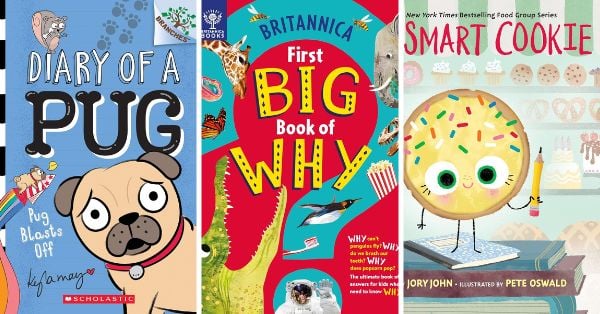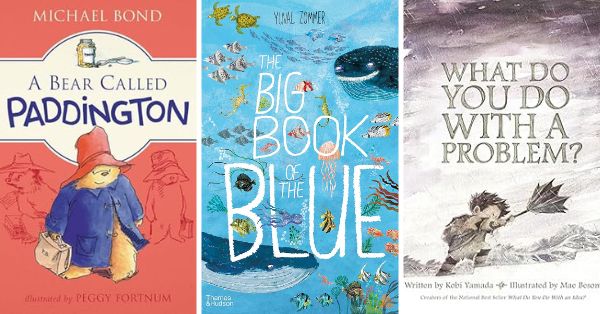
Let’s be honest—finding the right books for tweens can feel like navigating a maze. At this stage, children’s literary tastes are becoming more defined. They’re ready for stories with complex characters, deeper themes, and genuine emotional depth. This guide is designed to help parents, educators, and caregivers discover exceptional book recommendations for 10 to 12-year-olds across multiple categories, from Montessori-friendly non-fiction to timeless classics and faith-based stories. Whether you’re seeking to inspire wonder about the universe, build emotional intelligence, or develop essential life skills, our carefully curated selections prioritize character development, living books philosophy, and age-appropriate content. Discover the best chapter books, non-fiction books, and Christian books for preteens that will engage their growing minds and nurture their souls.
Disclosure: Some of the links in this post are Amazon affiliate links, which means I may earn a small commission—at no extra cost to you—if you choose to purchase through them. I only recommend books that our family has genuinely loved and that align with the values and principles shared here.
Non-Fiction Books: The Five Great Lessons, Cosmic Education, and Imaginary Island Projects
At ten to twelve years old, children are in the final stage of the “second plane of development” that Maria Montessori described. Their reasoning minds are fully engaged, and they possess a powerful capacity for wonder, imagination, and abstract thinking. The Five Great Lessons—stories of the universe, life, and human civilization—provide a grand narrative framework that satisfies their intellectual hunger while inspiring awe and wonder. This is also the perfect age for the Imaginary Island project, a Montessori-inspired exercise where children apply their knowledge of geography, climate, biomes, and landforms to create and map their own island. To support this work, choose non-fiction books with rich illustrations, detailed maps, and engaging text that can be read independently or discussed together. Display these books on a low, accessible shelf organized by theme, and consider extending the experience with related activities like nature journaling, simple experiments, or research projects.

Non-Fiction Recommendations:
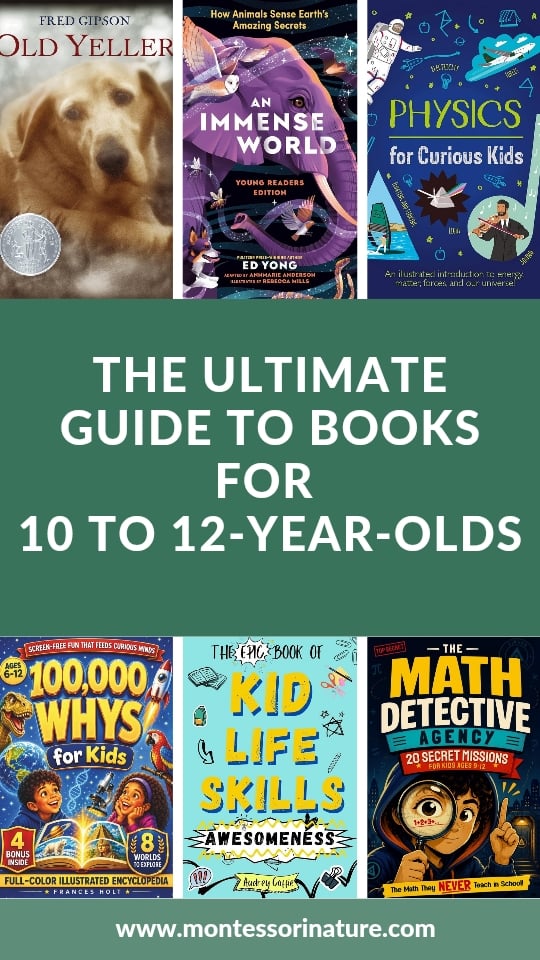
- Physics for Curious Kids: An Illustrated Introduction to Energy, Matter, Forces, and Our Universe! by Laura Baker – A beautifully illustrated introduction to physics that makes complex concepts accessible and exciting for young, curious minds.
- Children of the Universe: Cosmic Education in the Montessori Elementary Classroom by Michael and D’Neil Duffy – A foundational text in Montessori education that guides educators and parents in presenting the “Great Lessons” to children aged 6–12, including detailed scripts and practical implementation strategies .
- Cosmic Scripts: The Five Great Lessons and the Complementary Lessons by Ernestina Roxana Muñoz Guevara – The technical companion for Montessori Guides, containing eleven complete scripts for narrating the Great Lessons to children aged 6–12, including the Story of the Universe, Life, Human Beings, Writing, and Numbers .
- 100,000 Whys for Kids: Real Questions About Science, Space, Animals, Nature, and How the World Works by Frances Holt – A fully illustrated encyclopedia designed for ages 6–12 that answers real questions children have about the world around them, from science and space to animals and nature.
- Knowledge Encyclopedia Science!, 2nd Edition by DK – An updated edition of this stunning science encyclopedia that covers biology, chemistry, and physics with incredible illustrations and accessible explanations for curious young minds.
- Countries of the World: A Visual World Geography Encyclopedia for Kids by DK – A visually stunning encyclopedia from the Our World in Pictures series that brings every country to life with vibrant photographs, maps, and fascinating facts.
- All About Maps Amazing Activity Book: Fun Facts, Mazes, Games, and Brain Teasers by Paola Misesti – An interactive activity book for kids ages 8-12 that teaches how to read maps, make your own compass, and explore geography through puzzles, stickers, and brain teasers.
- An Immense World (Young Readers Edition): How Animals Sense Earth’s Amazing Secrets by Ed Yong – A fascinating exploration of animal senses adapted for young readers, revealing how different creatures perceive the world in ways humans cannot imagine.
- Super Interesting Physics and Chemistry Facts For Smart Kids by Mike Wish – A STEM book for curious boys and girls ages 8-12 featuring 400+ crazy and mind-blowing discoveries, inventions, and stories that make science exciting and accessible.
- Timelines of Everything: From Woolly Mammoths to World Wars by DK – A comprehensive visual timeline that takes readers through history, showing how everything connects from ancient times to the modern world.
- Professor Poppy’s Fully Illustrated 100,000 WHY Encyclopedia – Kids General Knowledge Vol. 1 by Professor Poppy – An illustrated general knowledge encyclopedia covering science, space, animals, history, and nature for ages 7-13, designed to satisfy curious young minds.
- Mammoth Science: The Big Ideas That Explain Our World by DK – A unique exploration of key scientific concepts featuring David Macaulay’s signature illustrations, explaining big ideas in an accessible, engaging way.
- Spectacular Stories for Curious Kids STEM Edition by Jesse Sullivan – Fascinating tales from science, technology, engineering, and mathematics that inspire and amaze young readers, making STEM concepts come alive through storytelling.
- 10 Incredible Ancient Civilizations Every Child Must Discover by STEM SCHOOL – Fascinating stories of lost worlds and timeless legends that introduce young readers to ancient civilizations and their enduring contributions to human history.
- So You Want To Be An Explorer: A Kids’ Guide to Exploration, Adventure, World Geography, and the Daring Travelers Who Discover New Places and Cultures by Linda Soules – A guide to exploration and world geography that introduces children to the daring travelers who discovered new places and cultures.
- The Complete Book of Country Flags, Facts and Capitals by B.C. LESTER BOOKS – A colorful guide to all country flags, facts, and capitals of the world, including photos and country location maps, perfect for geography enthusiasts.
- World Geography Activity Book by J.R. Grady – A hands-on activity book that makes learning about world geography engaging through puzzles, maps, and interactive exercises that bring the subject to life.
- History Year by Year: The History of the World, from the Stone Age to the Digital Age by DK – A comprehensive chronological journey through world history, featuring timelines, photographs, and illustrations that bring each era to life for young readers.
Chapter Books: Engaging Stories for Growing Readers
For 10 to 12-year-olds, chapter books open up exciting new worlds of reading. These preteens are reading fluently and are ready for stories with intricate plots, memorable characters, and significant emotional depth. Charlotte Mason championed “living books” that engage the imagination and present ideas in narrative form. To foster a love of reading, create a comfortable reading space and model reading yourself. Display chapter books with covers facing outward to catch their eye. At this age, children often benefit from books with strong narrative momentum, complex characters, and themes that challenge them to think critically about the world.
Chapter Book Recommendations:
- The Math Detective Agency – 20 Secret Missions for Kids Ages 9–12 by Math I like it! – An engaging collection of math patterns, secret codes, number tricks, and mind-blowing challenges that makes mathematics fun and detective-like for preteens.
- I Survived: Ten Thrilling Books (Boxed Set) by Lauren Tarshis – Historical fiction volumes highlighting significant global events—natural disasters, military conflicts—through the eyes of fictional characters who “lived through” them, designed for ages 7-12.
- Restart by Gordon Korman – A compelling story about redemption and second chances following a bully with amnesia who must reckon with his past treatment of others as he learns who he used to be, perfect for ages 8-12.
- The Inheritance Games by Jennifer Lynn Barnes – A mystery-forward series using puzzles, secrets, and snappy dialogue to keep kids turning pages, recommended for ages 12-18.
- Nic Blake and the Remarkables: The Manifestor Prophecy by Angie Thomas – A captivating fantasy adventure from the bestselling author of The Hate U Give, perfect for middle-grade readers .
- The Wishing Spell (The Land of Stories #1) by Chris Colfer – Twins fall into a world of fairy tales and embark on an epic quest in this beloved fantasy series.
- Escape from Mr. Lemoncello’s Library by Chris Grabenstein – A thrilling puzzle adventure where a group of children must solve their way out of an amazing library .
- From the Mixed-up Files of Mrs. Basil E. Frankweiler by E. L. Konigsburg – A classic middle-grade novel about two siblings who run away to live in a museum and solve an art mystery.
- Skandar and the Unicorn Thief by A.F. Steadman – An epic fantasy adventure about a boy who discovers a world of unicorns that are far from gentle, perfect for ages 9-12.
- Cogheart (The Cogheart Adventures #1) by Peter Bunzl – A Victorian-era mystery filled with adventure, mechanical wonders, and suspense.
- The Astounding Broccoli Boy by Frank Cottrell Boyce – A hilarious and heartwarming adventure about an unlikely hero who finds himself turning green.
- The Coral Island by R.M. Ballantyne – A classic adventure tale of shipwrecked boys surviving on a tropical island, exploring themes of courage and resilience.
- A Strange Thing Happened In Cherry Hall by Jasmine Warga – A heartwarming story about friendship, family, and finding your place in the world.
- Malgudi Adventures by R.K. Narayan – Classic Indian tales for children, exploring the rich cultural heritage and timeless stories of Malgudi.
- Girl’s Best Friend by Leslie Margolis – The first book in the Maggie Brooklyn Mystery series, following a young detective who solves mysteries in her neighborhood while navigating the challenges of growing up.
- The Murrowong Detective Club: A funny chapter book for 8-12-year-old kids who love mysteries and adventure by Cam R. Pearce – A humorous mystery adventure following a quirky group of young detectives as they solve puzzling cases in their community.
- Where the Red Fern Grows by Wilson Rawls – A beloved classic about a boy and his two coonhounds, exploring themes of love, loyalty, courage, and the bittersweet journey of growing up.
- Nancy Drew Mystery Stories Books 1-4 by Carolyn Keene – The iconic collection of the first four Nancy Drew mysteries, following the intrepid young detective as she solves thrilling cases with wit and determination.
- Trapped in a Video Game: The Complete Series by Dustin Brady – An action-packed series where kids get pulled into the world of video games and must use their wits to survive and escape.
- When the Sky Turned to Dust by Catherine Matthias – A gripping story about a young girl who must navigate a world transformed by an environmental crisis, exploring themes of resilience and hope.
- Alone by Megan E. Freeman – A gripping survival story about a young girl who wakes up to find everyone in her town has disappeared and must learn to survive on her own.
- Inspiring Soccer Stories for Kids: 14 Incredible Soccer Tales with Lessons in Courage & Mental Toughness for Young Sports Fans by Ben Byde – Uplifting stories from the world of soccer that teach young readers about perseverance, teamwork, and mental toughness.
- Shadow Jumper: A mystery adventure book for children and teens aged 10-14 by J M Forster – A thrilling mystery adventure following a young boy who must face his fears and uncover secrets to save his family.
- The Wild Robot by Peter Brown – A modern, approachable sci-fi/fable about a robot who learns to survive in the wild, with chapter-friendly pacing and an engaging premise that makes it a favorite among teachers and librarians.
- Because of Winn-Dixie by Kate DiCamillo – A beloved middle-grade classic about friendship, family, and a dog that changes everything, perfect for ages 9-12.
- Island of the Blue Dolphins by Scott O’Dell – A classic survival story based on the true story of a young Native American girl who lived alone on an island for years, exploring themes of resilience and self-discovery.
- The Unteachables: A Hilarious Novel About a Class of Misfits and Mayhem by Gordon Korman – A laugh-out-loud story about a class of misfit students and their unconventional teacher, exploring themes of belonging, identity, and second chances.
- The One and Only Ivan by Katherine Applegate – A Newbery-winning story inspired by a real gorilla who spent years in a mall, imagined with heart and accessible language that builds empathy and wonder.
- Adventures with The Secret Explorers: Collection One: 4-Book Box Set by SJ King – An educational fiction series where a group of young explorers travel through time and space to solve problems and learn about history and science.
- The Secret Seven Collection 2: Books 4-6 by Enid Blyton – Classic mystery adventures featuring a group of young detectives who solve crimes and uncover secrets in their community.
- The Best of Enid Blyton The Famous Five & The Secret Seven Adventures 10 Books Collection Set by Enid Blyton – A collection of timeless adventure stories featuring beloved characters who solve mysteries and have thrilling adventures.
- Mystery In Rocky Mountain National Park by Aaron Johnson – The first book in the National Park Mystery Series, following young adventurers as they solve mysteries amidst the stunning backdrop of Rocky Mountain National Park.
Christian Books: Nurturing Faith and Character
At ten to twelve years old, preteens are capable of grasping profound spiritual concepts. The preteen years are a crucial season for spiritual formation—children begin asking deeper questions about God, faith, and their purpose . Christian books for this age can develop a biblical worldview and help preteens understand core tenets of faith like sacrifice, redemption, and God’s love. The best Christian books weave faith into compelling narratives rather than being overtly preachy. Read these books aloud as a family and discuss how the characters’ choices reflect biblical principles. Display them on a family bookshelf to signify their importance.
Christian Book Recommendations:
- The Big Story of the Old Testament: From the Inside: A Child’s Journey Through God’s Story by Aiden Smith – A sweeping journey through the Old Testament, helping preteens understand God’s unfolding plan and their place within it.
- Princesses of Heaven: The Flowers by Fabiola Garza – A stunningly illustrated book featuring the lives of ten young saints whose stories are told through the symbolism of flowers. Each story uniquely reveals a virtue—some with great worldly influence, others in quiet, hidden ways, but all deeply loved by God. Beautiful, sacred artwork and an appendix of flower meanings for each saint make this a treasure for young readers. The book shares the lives of young women like St. Joan of Arc, St. Thérèse of Lisieux, St. Kateri Tekakwitha, and St. Teresa of Calcutta, highlighting how each “flower of heaven” led others to Christ through their beautiful witness.
- The Seed of Faith: A Christmas Miracle by Daniel Petronelli – A faith-filled Christmas story that explores the power of belief, hope, and the miracle of faith.
- What is the Eucharist (Curious Little Catholic) by Annemarie Thimons – A beautifully illustrated book that introduces the mystery of the Eucharist, referencing it as Blessed Jacinta of Fatima called it, “The Hidden Jesus.” Featuring intricate illustrations, text, and scripture passages, it provides a delicate yet precise explanation of the source and summit of the Catholic faith. A reviewer notes that “the layered beauty in her illustrations serves to continually reveal the depths of our faith and of God to the youngest and oldest readers alike,” and that the book “shout[s] the dignity of life at every stage and in every circumstance, affirm[s] the immense majesty of the gift of Jesus Christ’s Body, Blood, Soul, and Divinity, and showcase[s] the Eucharist as truly the source and summit of the Christian life”
- How Great Is Our God: 100 Indescribable Devotions About God and Science by Louie Giglio – A fascinating devotional connecting faith and science, showing preteens how God’s creation reveals His greatness through 100 devotions blending Scripture with scientific wonder.
- What Would Jesus Do? A Family Devotional for Preteens and Parents by Lucy Rycroft – A 52-week family devotional with practical, faith-based tools that turn family time into a space for honesty, growth, and faith—one conversation at a time .
- Boys Devotional: Bible Devotions for Preteen Boys Aged 10-12 by Anders Bennett – 120 insightfully designed devotions covering topics like identity, friendships, becoming a man, and overcoming life’s challenges .
- The Action Bible by Doug Mauss – A graphic novel-style Bible that brings Scripture to life with vibrant illustrations and engaging storytelling, ideal for preteens.
- Thoughts to Make Your Heart Sing by Sally Lloyd-Jones – A devotional book of 101 simple, profound thoughts about God’s love, perfect for family reading and individual reflection.
- Chronicles of Narnia by C.S. Lewis – The beloved fantasy series that allegorically explores themes of faith, sacrifice, and redemption through the magical world of Narnia.
- The Wingfeather Saga by Andrew Peterson – A richly imagined fantasy series with themes of family, sacrifice, and redemption, perfect for preteen readers.
- Would You Rather Bible Edition: What Would YOU Do in Jesus’ Most Incredible New Testament Moments? by Little Luminaries Press – An interactive faith-based book featuring over 200 fun choices that invite kids ages 8-12 to imagine themselves in epic New Testament moments, making Scripture engaging and personal.
- Lightkeepers Girls Box Set: Ten Girls by Irene Howat – A collection of inspiring biographies featuring ten remarkable girls whose faith and courage changed the world, perfect for encouraging young readers in their spiritual journey.
- DAVID’S SECRET DIARY, A Bible Adventure for Kids: The Shepherd, The Warrior, and The King by Angel M Pabon – A Christian story about faith, courage, and God for kids ages 7-15, told through the imaginative format of a secret diary from one of the Bible’s greatest heroes.
- The Girl Who Looked Beyond The Stars by L. B. Anne – A faith-filled adventure following Sheena Meyer, a young girl who discovers she can see angels and must navigate the supernatural world while learning to trust God’s plan for her life.
- The Outsider: Ruth: A Retelling by Katy Morgan – A fresh retelling of the biblical story of Ruth, showing God’s faithfulness and providence through engaging narrative fiction for middle school kids ages 8-13.
Books for Personal Growth, Emotional Intelligence, and Life Skills
Navigating emotions, friendships, and growing independence becomes increasingly important for preteens. Books focused on personal growth, emotional intelligence, and life skills can help children develop self-regulation, empathy, resilience, and practical abilities for life. The preteen years are a crucial season for developing independence, self-awareness, and positive relationships . Stories with relatable characters who model healthy coping mechanisms are most effective. Read these books together and use them as a springboard for conversation.
Personal Growth, Emotional Intelligence, and Life Skills Recommendations:
- Epic Book of Kid Life Skills Awesomeness by Audrey Coffie – An engaging guidebook covering cooking, cleaning, financial literacy, internet safety, personal safety, and emotional health for tweens aged 8-12, using fun activities and kid-friendly language.
- Life Skills for Girls Ages 8-12 by Oma Magnus – A guide for developing independence, self-awareness, emotions, and positive relationships, with hands-on activities like creating a “Me Journal” and starting a savings jar.
- Life Skills for Kids: How to Cook, Clean, Make Friends, Handle Emergencies, Set Goals, Make Good Decisions, and Everything in Between by Karen Harris – A comprehensive guide covering essential life skills every child needs, from cooking and cleaning to making friends and handling emergencies, designed for growing independence.
- Summer into Growth: A Social Emotional Learning Workbook for Tweens by Richard Bass – An inclusive workbook filled with fun activities to help tweens understand their feelings, make good choices, and grow through engaging exercises perfect for summer learning.
- Essential Life Skills for Every 11-Year-Old: How to Speak Up, Find Your Passion, Master Money, Build Self-Discipline and Other Cool Superpowers by Max Tyger – A guide to essential life skills that schools don’t teach, helping eleven-year-olds develop confidence, financial literacy, and self-discipline.
- Essential Life Skills Every 12 Year Old Needs to Know: A Guide to Help Young Boys and Girls Succeed in Life by Skilled Fun – A practical guide designed specifically for twelve-year-olds, covering the skills they need to navigate adolescence and succeed in life.
- How to Be a Person: 65 Hugely Useful, Super-Important Skills to Learn before You’re Grown Up by Catherine Newman – A humorous and practical guide teaching 65 essential skills for growing up, from basic household tasks to social etiquette and personal responsibility.
- EMOTIONAL REGULATION FOR KIDS AGES 8–12 YEARS OLD: A Story-Based Guide to Mastering Big Feelings by Maya J. Dillio – A story-based guide that helps children master big feelings, build calm reactions, and turn emotional chaos into confidence for everyday life.
- Evan-Moor Financial Literacy and Life Skills for Kids, Ages 10-11 by Evan-Moor Educational Publishers – An advanced money skills workbook covering earning, saving, spending, and using credit cards through real-world lessons and engaging activities.
- Survival Skills for Kids: How to Perform First Aid, Build Shelter, Start a Fire, Find Water, Handle Emergencies, Predict the Weather, and Master the Wilderness! by Peter Myers – A practical survival guide teaching essential wilderness and emergency skills, from first aid and building shelter to predicting weather and finding water.
- The Secret Playbook of Life: 50 Fun Stories to Teach Self-Confidence, Friendship and Emotional Skills for Kids Ages 6-12 by Sophie Harbor – A collection of engaging stories designed to build self-confidence, friendship skills, and emotional intelligence through relatable characters and situations.
- A Long Walk to Water: A Powerful Adventure of Survival, Perseverance, and Hope in Sudan by Linda Sue Park – A powerful true story following two Sudanese children whose journeys intersect years apart, exploring themes of survival, resilience, and the transformative power of water.
- Women Who Dared: 52 Stories of Fearless Daredevils, Adventurers, and Rebels by Linda Skeers – Inspiring biographies of 52 fearless women who broke barriers and changed the world, celebrating courage, determination, and the power of daring to be different.
- No Better Friend: Young Readers Edition: A Man, a Dog, and Their Incredible True Story of Friendship and Survival in World War II by Robert Weintraub – An incredible true story of an unlikely friendship between a man and a dog that helped them survive the horrors of war.
- The Boy Who Harnessed the Wind, Young Reader’s Edition by William Kamkwamba – The inspiring true story of a young boy in Malawi who built a windmill from scrap materials to save his village from famine, adapted for young readers.
- Hidden Figures Young Readers’ Edition by Margot Lee Shetterly – The inspiring true story of the African American women mathematicians at NASA who helped launch America’s space program, adapted for young readers.
- How to Turn $100 into $1,000,000: Newly Minted 2nd Edition by James McKenna – A practical guide to financial literacy for young readers, teaching the basics of earning, saving, investing, and building wealth.
- EUREKA! Amazing Discoveries of Europe: True Stories of Ordinary People and Extraordinary Discoveries by J. Arelius – True stories of ordinary people who made extraordinary discoveries across Europe, inspiring young readers to explore, question, and innovate.
- Incredible True Stories for Curious Kids: Fascinating Tales of Historic Moments, Accidental Inventions, Pop Culture Icons, Wildlife Mysteries, and Surprising Facts by Diana Reinhart – A collection of fascinating true stories covering historic moments, accidental inventions, and surprising facts that will captivate curious young minds.
Classical Books: Timeless Treasures for Young Minds
Classical literature offers preteens an introduction to sophisticated language, complex characters, and enduring themes. These books have stood the test of time because they speak to universal human experiences and provide a rich cultural foundation. Charlotte Mason championed the use of original, unabridged texts, arguing that children should be exposed to the “best thoughts of the best minds.” Reading classics aloud is an excellent way to introduce this vocabulary-rich language. A special shelf for “Classics” can make reading them feel like an occasion.
Classical Book Recommendations:
- Anne of Green Gables by L.M. Montgomery – The story of an imaginative, talkative orphan who transforms the lives of everyone around her, celebrating individuality and the power of love.
- The Princess and the Goblin by George MacDonald – A classic fantasy that explores themes of courage, faith, and the battle between good and evil.
- At the Back of the North Wind by George MacDonald – A beautiful and imaginative story that explores deep themes of suffering, hope, and redemption.
- The Secret Garden by Frances Hodgson Burnett – A timeless story of healing, friendship, and the transformative power of nature.
- A Little Princess by Frances Hodgson Burnett – A heartwarming story of resilience, kindness, and maintaining dignity in the face of hardship.
- Little Women by Louisa May Alcott – The beloved story of four sisters growing up during the Civil War, exploring themes of family, ambition, and personal growth.
- The Adventures of Tom Sawyer by Mark Twain – A classic American adventure about boyhood, mischief, and growing up along the Mississippi River.
- The Call of the Wild by Jack London – A powerful tale of survival, instinct, and the pull of the wild, exploring themes of freedom and the primal nature within.
- Mr. Popper’s Penguins by Richard Atwater – A Newbery Honor Award winner following the hilarious adventures of a house painter who receives a penguin from the Antarctic and must figure out how to care for his growing flock.
- The Swiss Family Robinson (Abridged Edition) by Johann David Wyss – A classic adventure tale of a family shipwrecked on a deserted island who must use their resourcefulness and courage to survive and build a new life.
- The Secret of the Old Mill by Franklin W. Dixon – The third book in the iconic Hardy Boys series, following teenage brothers Frank and Joe as they uncover mysteries and solve thrilling cases.
- Old Yeller by Fred Gipson – A heart-wrenching classic about a boy and his loyal dog in the Texas frontier, exploring themes of love, loss, courage, and growing up.
- Journey To The Center of The Earth by Wonder House Books – An abridged illustrated edition of Jules Verne’s classic adventure, complete with review questions that make the story accessible and educational for young readers.
- Gulliver’s Travels: Illustrated Abridged Children Classics by Jonathan Swift – An abridged illustrated edition of the classic satirical adventure, with review questions to enhance comprehension and engagement.
- Treasure Island by Chris Tait (Adapter), Robert Louis Stevenson – An accessible abridged version of the beloved pirate adventure, adapted for young readers while preserving the excitement and spirit of the original.
- Oliver Twist: Illustrated Abridged Children Classics by Charles Dickens – An accessible abridged edition of Dickens’ classic novel, complete with review questions, bringing the story of the orphan boy in Victorian London to young readers.
- llustrated Classics – Around The World In Eighty Days by Wonder House Books – An abridged illustrated edition of Jules Verne’s classic adventure, with review questions that make the story accessible and educational for young readers.
- Don Quixote: Illustrated Abridged Children Classic by Miguel de Cervantes – An accessible abridged edition of the classic Spanish novel, complete with review questions, introducing young readers to the adventures of the noble knight.
- Illustrated Classics – Time Machine by H.G. Wells – An abridged illustrated edition of Wells’ classic science fiction adventure, with review questions that help young readers engage with the story.
- The Three Musketeers: Illustrated Abridged Children Classics by Alexandre Dumas – An accessible abridged edition of the classic adventure, complete with review questions, bringing the swashbuckling tale to young readers.
- Robinson Crusoe by Daniel Defoe – The classic survival story of a man shipwrecked on a deserted island, exploring themes of resourcefulness, faith, and human resilience.
- Jungle Book by Rudyard Kipling – The beloved collection of stories about Mowgli, the boy raised by wolves in the Indian jungle, along with other classic tales of animals and adventure.
- The Railway Children by E. Nesbit – A classic illustrated edition for young readers aged 7-10, following three children whose lives change when their father is taken away and they move to the countryside.
By choosing these books, you are giving your child not just stories, but formative experiences with ideas and characters that shape their understanding of the world, their sense of empathy, and their growing faith.
About Anastasia | Anastasia is an early childhood teacher with over twenty years of experience in Montessori classrooms and homeschooling. With a Master’s in Information Science, she blends education and information design to create clear, organized, research-backed resources. As founder of Montessori Nature, she develops evidence-based, nature-inspired printables that support holistic child development and foster curiosity, independence, and a love of learning. Explore more in her shop and Teachers Pay Teachers store.