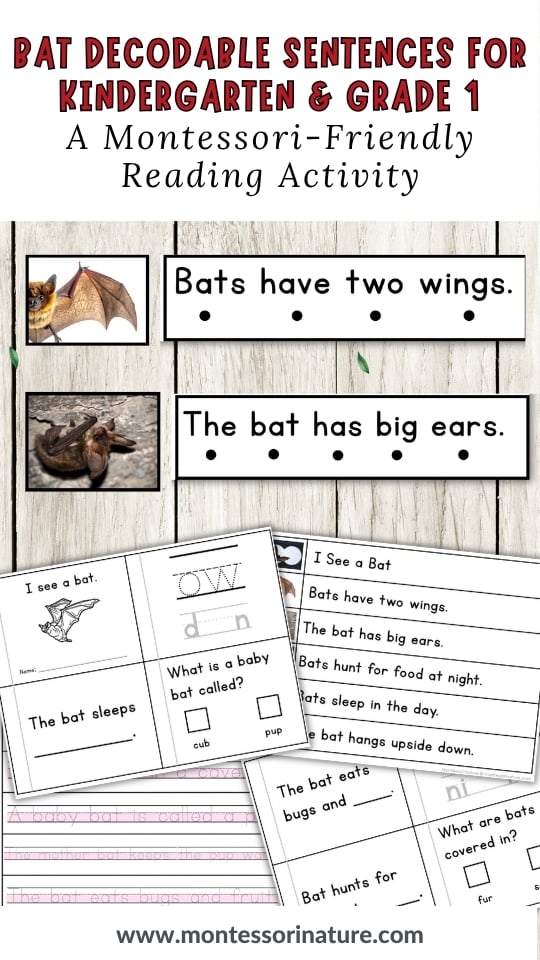
If you’ve been searching for learning to read resources that feature nocturnal animals, this Bat Decodable Reader might be exactly what your classroom needs. Designed for kindergarten and Grade 1, it pairs simple decodable sentences with real photographs, tracing practice, and comprehension checks. It also works beautifully alongside the Montessori Moveable Alphabet, giving young readers a tactile way to decode, build, and verify their own work.
About Bats
Bats are the only mammals capable of true flight. With more than 1,400 species worldwide, they make up about one-fifth of all mammal species—found everywhere except the coldest polar regions and a few remote islands.
A bat’s wing is actually a modified hand. The bones you’d find in your own fingers are stretched long and thin, connected by a flexible membrane of skin. That’s why bats can twist and turn in midair with such precision.

Most bats are nocturnal, active from dusk until dawn. They navigate the dark using echolocation—emitting high-pitched sounds that bounce off objects and return as echoes. From those echoes, a bat builds a detailed picture of its surroundings. Some species can detect an insect thinner than a human hair.
A Year in the Life
Bats have surprisingly varied diets. Some eat insects, consuming thousands in a single night. Others feed on fruit, nectar, pollen, frogs, fish, or even blood—though only three species drink blood, and none of them target humans.
Female bats usually raise one pup per year. The baby clings to its mother even during flight. By a few weeks old, the pup can fly on its own, though it stays with its mother for guidance and protection.
When cold weather arrives, many bats either migrate long distances or hibernate in caves, mines, and hollow trees. Their heart rate and body temperature drop dramatically, allowing them to conserve energy through months of scarcity.
Why Bats Capture Children’s Imagination
Bats fly. They live in caves. They hang upside down. They see with sound. Everything about them feels like a story waiting to be told.
That natural fascination is a gift in the early childhood classroom. A child who wants to know more about bats is already motivated to read words like “wing,” “night,” “cave,” and “fly.” Curiosity does much of the teaching for you.
What Works When Teaching Children to Read
- Phonics with purpose. Decodable text lets children apply letter-sound knowledge in real reading. The goal is automaticity, so the brain can focus on meaning.
- Short and frequent. Young learners do best with brief sessions—around twenty minutes—rather than long stretches.
- Self-correction builds independence. When children check their own work, they learn to notice when something doesn’t make sense and go back to fix it. This habit strongly predicts reading success.
- Vocabulary grows through experience. Words stick when children connect them to something real: a photograph, a conversation, a drawing, a model.
Extending Bat Learning Across the Language Sequence
- Pink Series: CVC Foundations
Three-letter phonetic words with short vowels—mat, pin, log. - Moveable Alphabet: Words like bat, wing, den, bug, net follow simple patterns
- Picture-word matching: Real photos paired with CVC labels
- “I Spy” games: “I spy something that starts with /b/… bat!”
- Blue Series: Blends and Longer Words
Consonant blends—st, fl, mp, nd. - Blend word building: flight, sting, hunt, fast, wind
- Phrase strips: “the dark cave,” “a fast flight”
- Sentence matching: “The bat hunts at night” paired with real photographs
- Green Series: Phonograms
Letter combinations like igh, oo, ee, ai. - Phonogram hunt: Find igh in “night,” oo in “moon,” ee in “sleep”
- Vocabulary expansion: Nocturnal, echolocation, hibernate through conversation and read-alouds
- Reading booklets: Short texts with controlled vocabulary and highlighted phonograms
Practical Tips for the Classroom
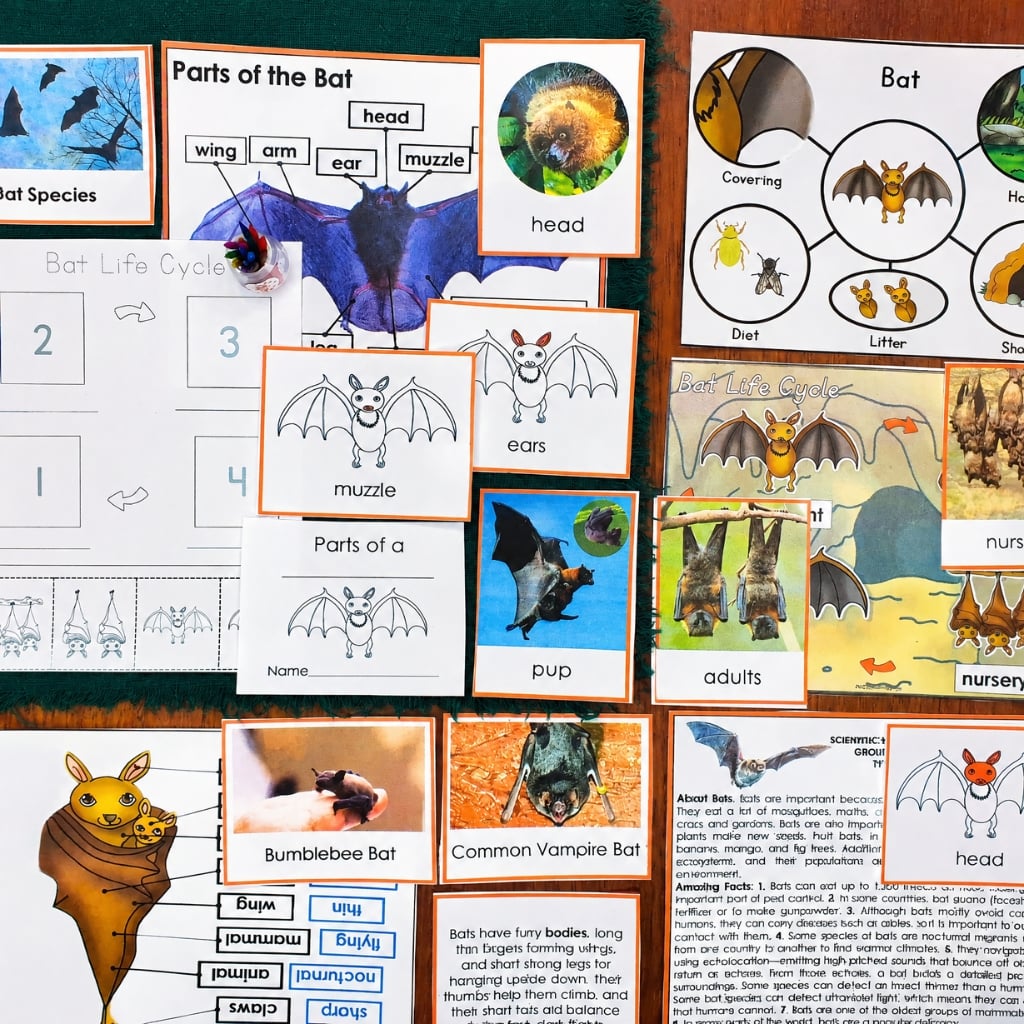
Pair with science materials. Place bat life cycle cards, habitat photos, or a model near the reading work.
Use real photographs. Children need to see actual bats in flight, at rest, and in their environments.
Let children move. The Moveable Alphabet engages hand, eye, and ear at once—ideal for young learners.
Follow the child’s interest. Not every child will be drawn to bats. Offer rich materials for those who are.
Bats are mysterious, agile, and perfectly adapted to the dark. Pair that natural wonder with systematic phonics across the Pink, Blue, and Green Series, and reading practice becomes discovery. The child isn’t just learning to read. They’re learning to read about something—and that makes all the difference.
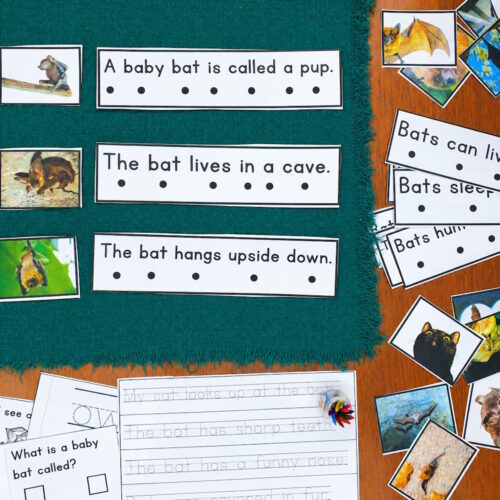
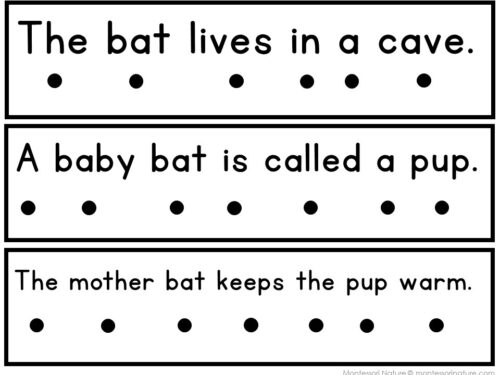
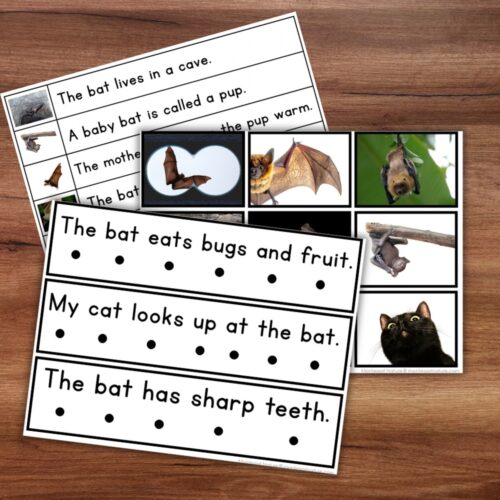
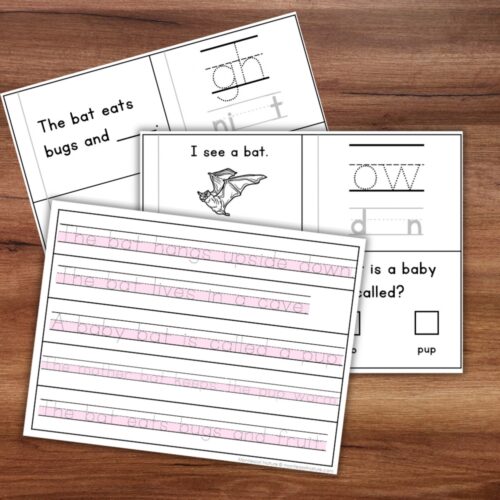
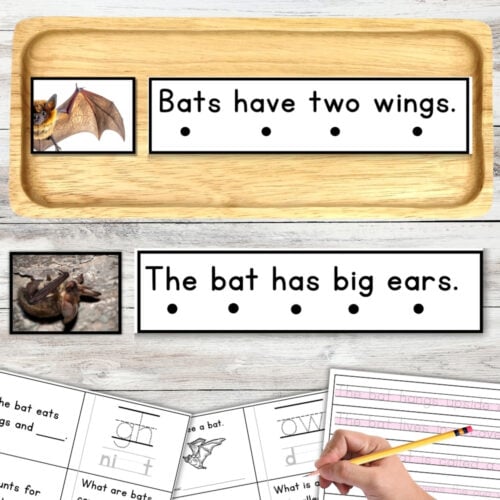
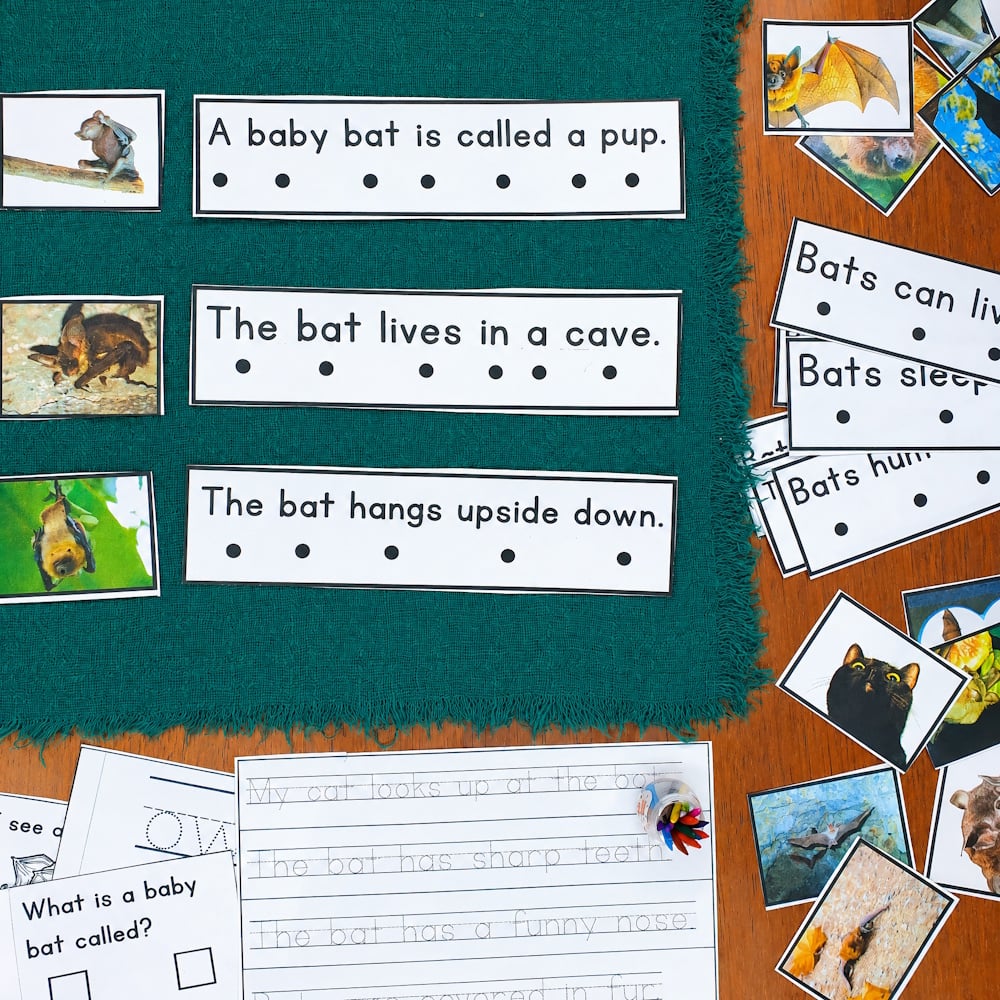
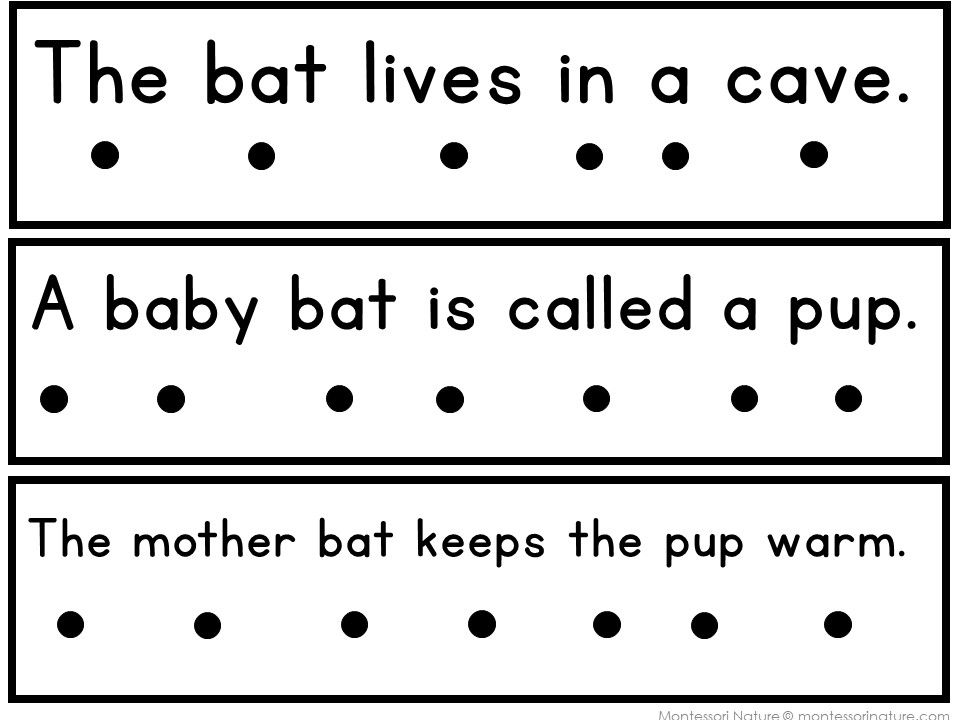
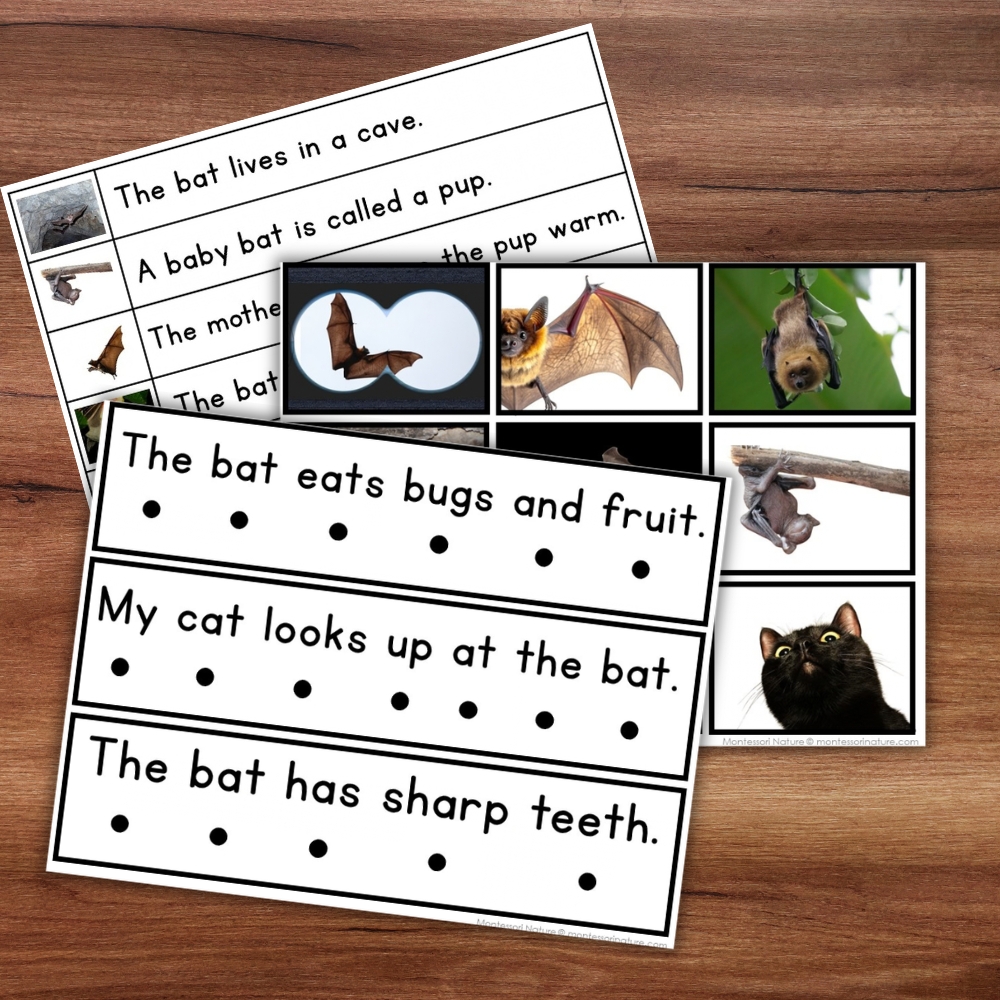
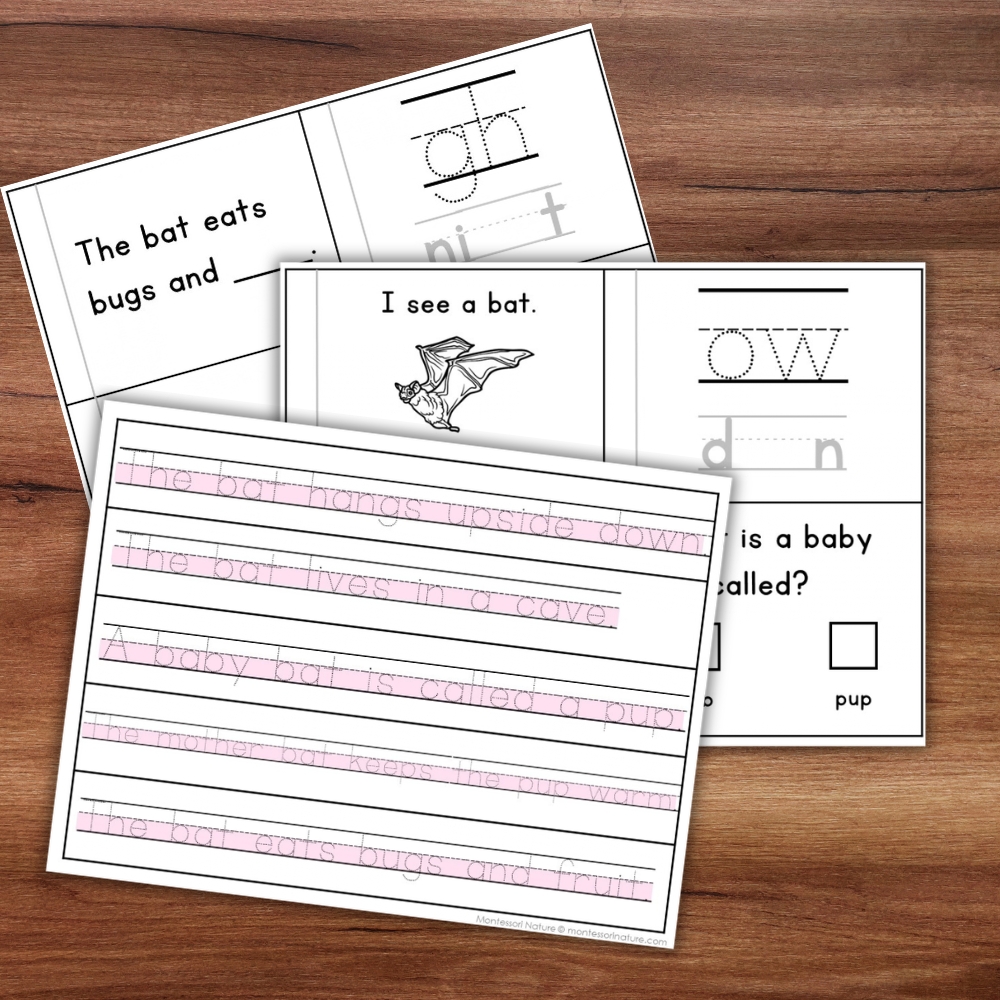
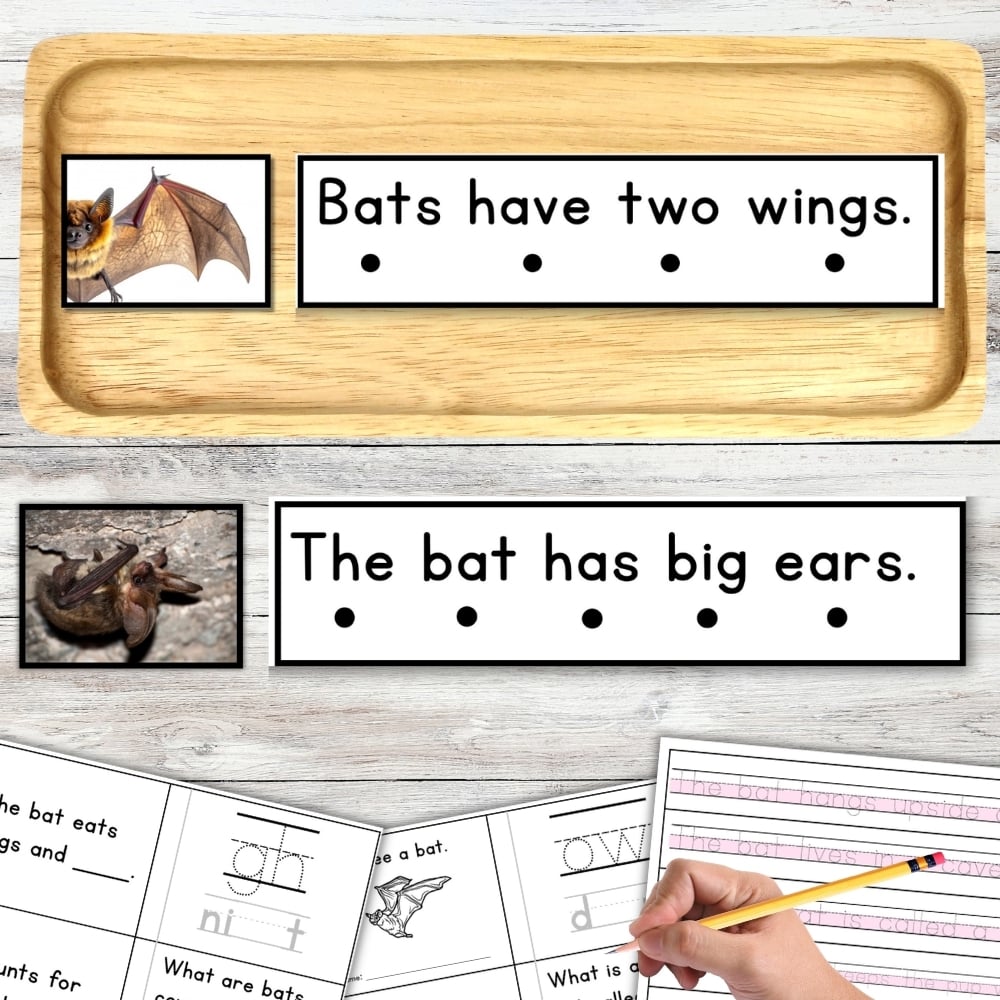
All About Bats Decodable Phonics Reader Comprehension
Build confident readers with this bat themed decodable phonics resource for Kindergarten and Grade 1! Perfect for learning to read, this hands-on printable develops comprehension, matching, and Science of Reading skills while supplementing your bats, autumn, or animals unit.
Recommended products
About Anastasia | Anastasia is an early childhood teacher with over twenty years of experience in Montessori classrooms and homeschooling. With a Master’s in Information Science, she blends education and information design to create clear, organized, research-backed resources. As founder of Montessori Nature, she develops evidence-based, nature-inspired printables that support holistic child development and foster curiosity, independence, and a love of learning. Explore more in her shop and Teachers Pay Teachers store.